


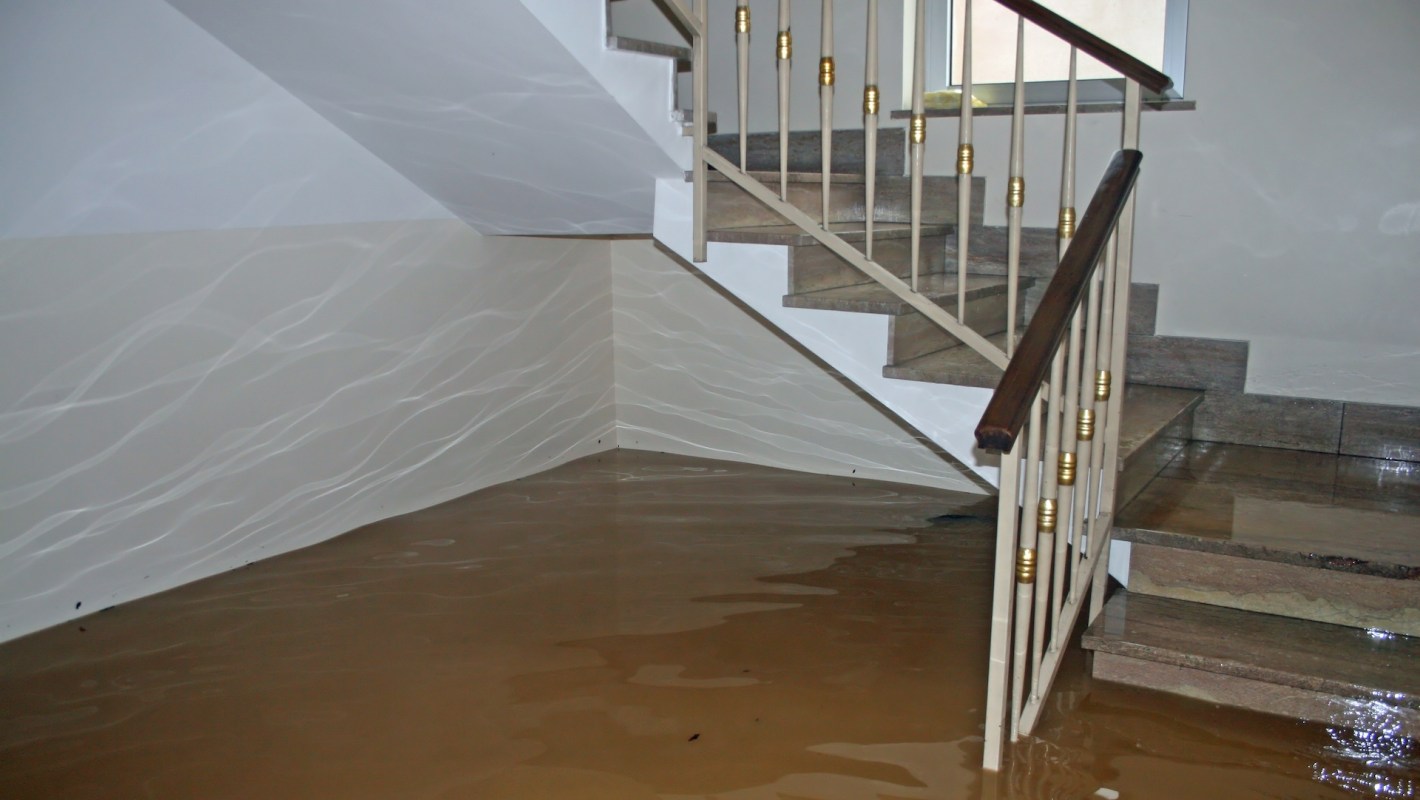
A Columbus, Ohio, family says repeated sewage backups flooded a basement bedroom twice in three months, leaving the rebuilt space unsafe and driving up repair costs.
Columbus has a program meant to prevent basement flooding, but homeowners who join it must waive damage claims related to city sewer backups.
Here's what to know
According to a YouTube report by WBNS 10TV (@WBNS), an independently hired plumber concluded that a Columbus sewer backup caused the May flooding that sent sewage and water into Columbus homeowner Sivon Williams' basement-level primary suite.
Their repair work was short-lived. The family said they fixed the damage, notified the city, and moved back into the space in July, only for the basement to flood again in August. Williams said the second incident was worse: "We were hit with about 3 ft of water and — sewage."
Williams told WBNS the damage now runs into the tens of thousands of dollars, and she does not expect insurance to cover it all. Another outside plumber blamed the August flooding on a backup in the city's sewer system, which the city later acknowledged in writing.
More background
As one possible remedy, Williams told WBNS she was encouraged to consider the city's Project Dry Basement program, which lets the city install a valve to reduce basement flooding.
TCD Picks » Quince Spotlight
💡These best-sellers from Quince deliver affordable, sustainable luxury for all




But the program application says participating homeowners must waive claims against the city for sewer-backup damage from both earlier and later incidents.
"I don't want to feel like I've got to be pressured to get a back valve," Williams said. "But then all of our loss that we already got, we're supposed to just be responsible for that."
What's being done?
In this case, the city's primary answer has been Project Dry Basement. The program dates to 2004 and can install a valve meant to reduce basement flooding.
Williams said the waiver requirement is why her family chose not to enroll.
After WBNS asked about the agreement language, a city spokesperson said in a statement: "We believe this has been our standard contract and agreement language since the program began in 2004."
Williams said the experience continues to weigh on her, stating, "It's definitely traumatizing, um, to know every time you hear rain you're wondering, is this going to be another time our home floods."
Where can I learn more?
These articles show how similar problems have surfaced in other communities, where aging sewer and stormwater systems can push damage from public infrastructure into private homes.
• In New Jersey, rising seas threaten sewage systems already strained by combined sewers.
• In Charleston, residents say raw sewage seeps into streets as sewer overflows fuel legal threats.
• In one neighborhood, a homeowner blocked critical infrastructure with concrete, worsening floodwaters for everyone nearby.

Get TCD's free newsletters for easy tips, smart advice, and a chance to earn $5,000 toward home upgrades. To see more stories like this one, change your Google preferences here.






