


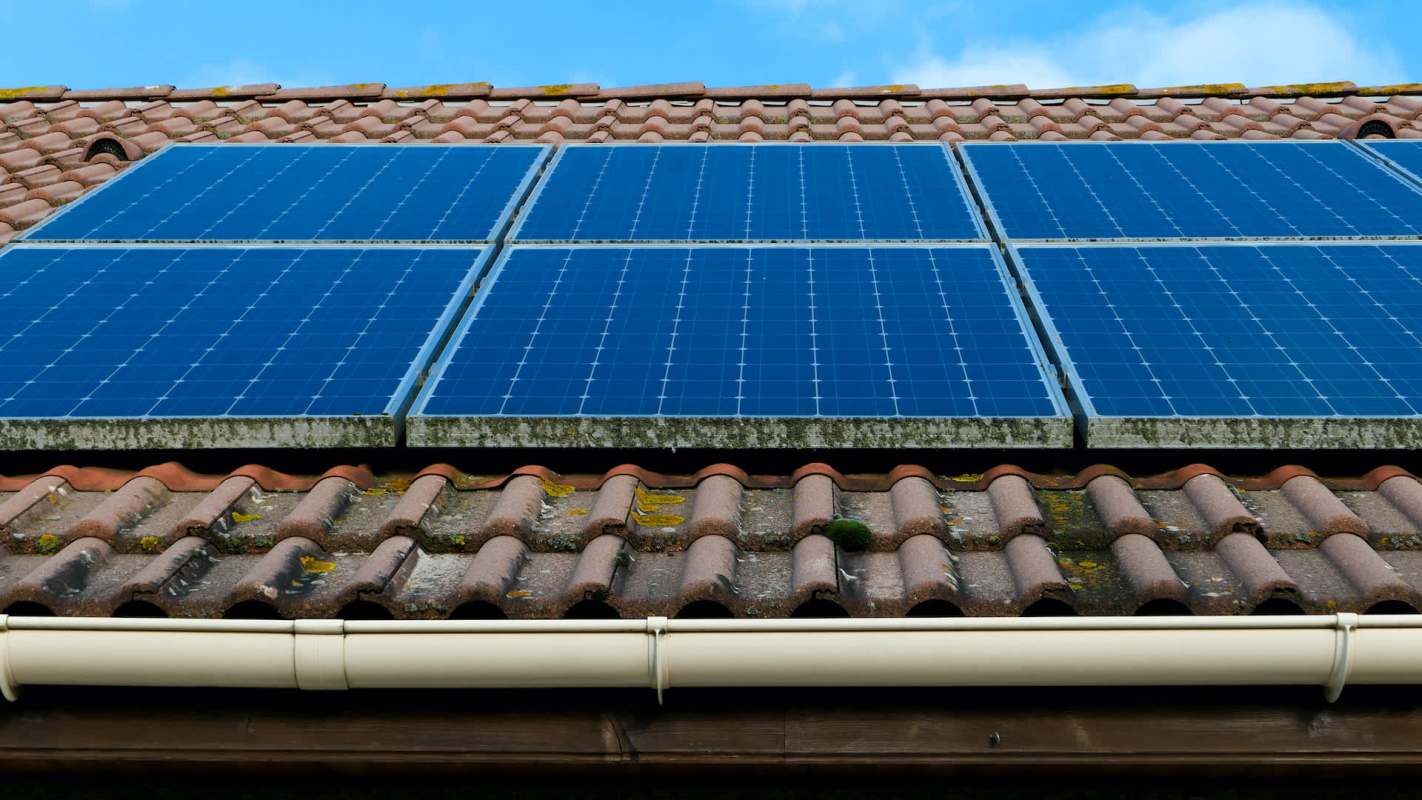
What seemed like a straightforward investment turned messy for one house flipper when a default notice exposed an undisclosed lease tied to rooftop solar panels.
According to the buyer, the problem did not surface until three months after closing, creating a costly obstacle with a home they had hoped to resell in the near future.
Here's what to know
The homeowner said on Reddit that a default notice appeared after the sellers fell behind on a solar agreement the buyer said was never disclosed.
"I recently purchased a house, and three months later I learn that there is an existing solar lease," the original poster said. "No UCC filing was found hence title not catching it. Seller has told us the solar did not have any loans or liens."
They said the transaction went through a wholesaler rather than a realtor and that the purchase agreement treated fixtures as part of the sale. "I have no interest or plans to transfer the lease or take on any financial obligations," the OP also stated.
Solar can be one of the best ways to save money on home energy, and homeowners who want to own their systems can try EnergySage to get free solar installation estimates and compare quotes.
More background
In the comments, one person said they abandoned a home purchase after the sellers claimed disclosures showed no solar lien or lease but they would not sign an agreement guaranteeing any such debt would be paid off at closing.
That user said the remaining balance was "something like $65k."
Save $10,000 on solar panels without even sharing your phone number Want to go solar but not sure who to trust? EnergySage has your back with free and transparent quotes from fully vetted providers that can help you save as much as $10k on installation. To get started, just answer a few questions about your home — no phone number required. Within a day or two, EnergySage will email you the best local options for your needs, and their expert advisers can help you compare quotes and pick a winner. |

Another person cautioned that reselling the property could be difficult, warning that the OP may have "a tough time flipping it with panels that can't be used."
What can be done?
The buyer said they had contacted the solar lender "to try to get ahead of things" and that they had asked whether the company could remove the panels. They also questioned whether that was the best move since the panels could be enticing to a future buyer if they were no longer tied to a lease.
"Don't assume the seller's debt is now yours," one user said. "Don't acknowledge the debt or make any sort of payments."
Others suggested notifying the title insurer, leaving the panels alone, and bringing in a real estate attorney before attempting a removal that might damage the roof.
More From EnergySage
💡Go deep on the latest news and trends shaping the residential solar landscape

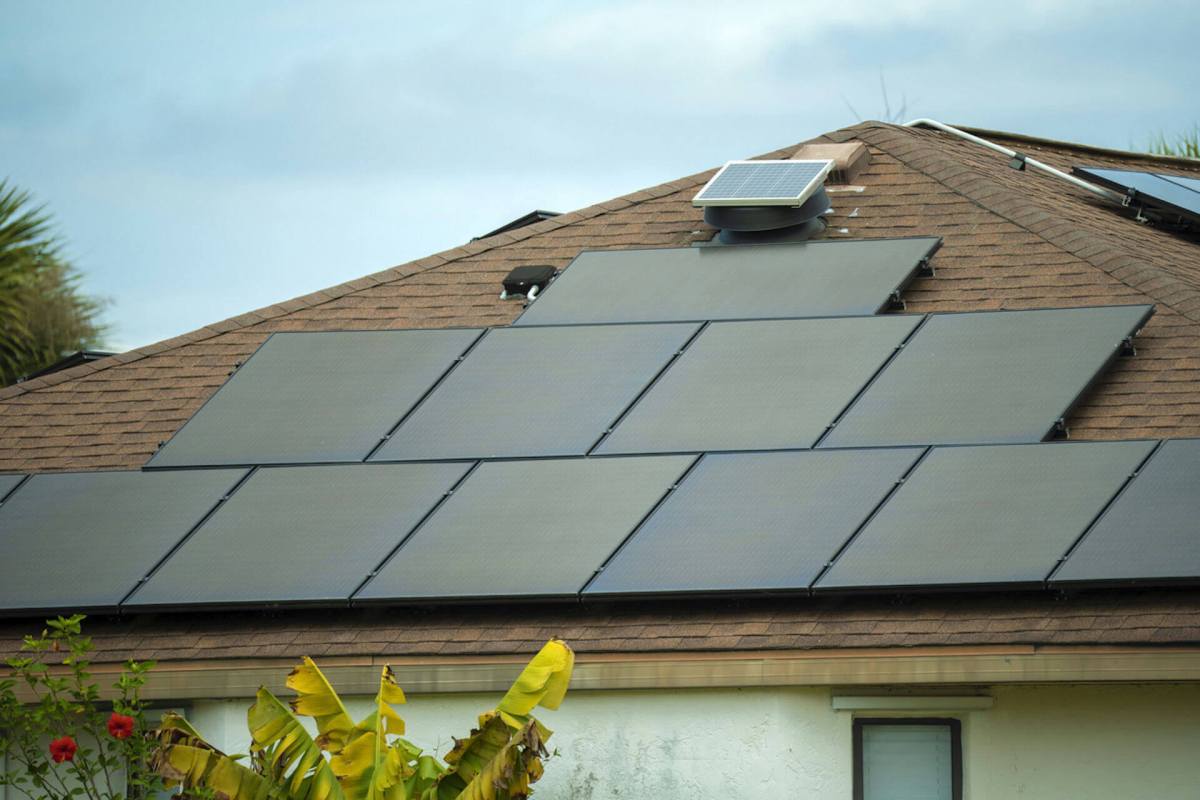


For homeowners who are considering solar, comparison shopping can make a huge difference. With EnergySage's help, the average person can save up to $10,000 on a solar purchase and installation. EnergySage's solar map shows the average cost of a home solar panel system by state plus available incentives, which can help homeowners get the best price for rooftop solar panels and access savings they might otherwise miss.
Adding battery storage to a solar setup is also one of the best ways to protect your home during outages, save money on energy, and go off-grid. Homeowners can explore EnergySage for information about home battery storage options, including competitive installation estimates.
Where can I learn more?
Here are a few similar cases involving homebuyers and homeowners who ran into solar lease problems during a sale or after closing.
• A first-time buyer hesitated after seller's lawyer sent a contract with a hidden solar lease.
• Another buyer hit trouble after purchasing a house with leased solar panels an attorney missed.
• In Florida, a buyer faced a surprise $20,000 charge over solar panels before closing.
• A new homeowner got stuck with an inherited solar lease and questioned the panels' output.

Get TCD's free newsletters for easy tips, smart advice, and a chance to earn $5,000 toward home upgrades. To see more stories like this one, change your Google preferences here.






