


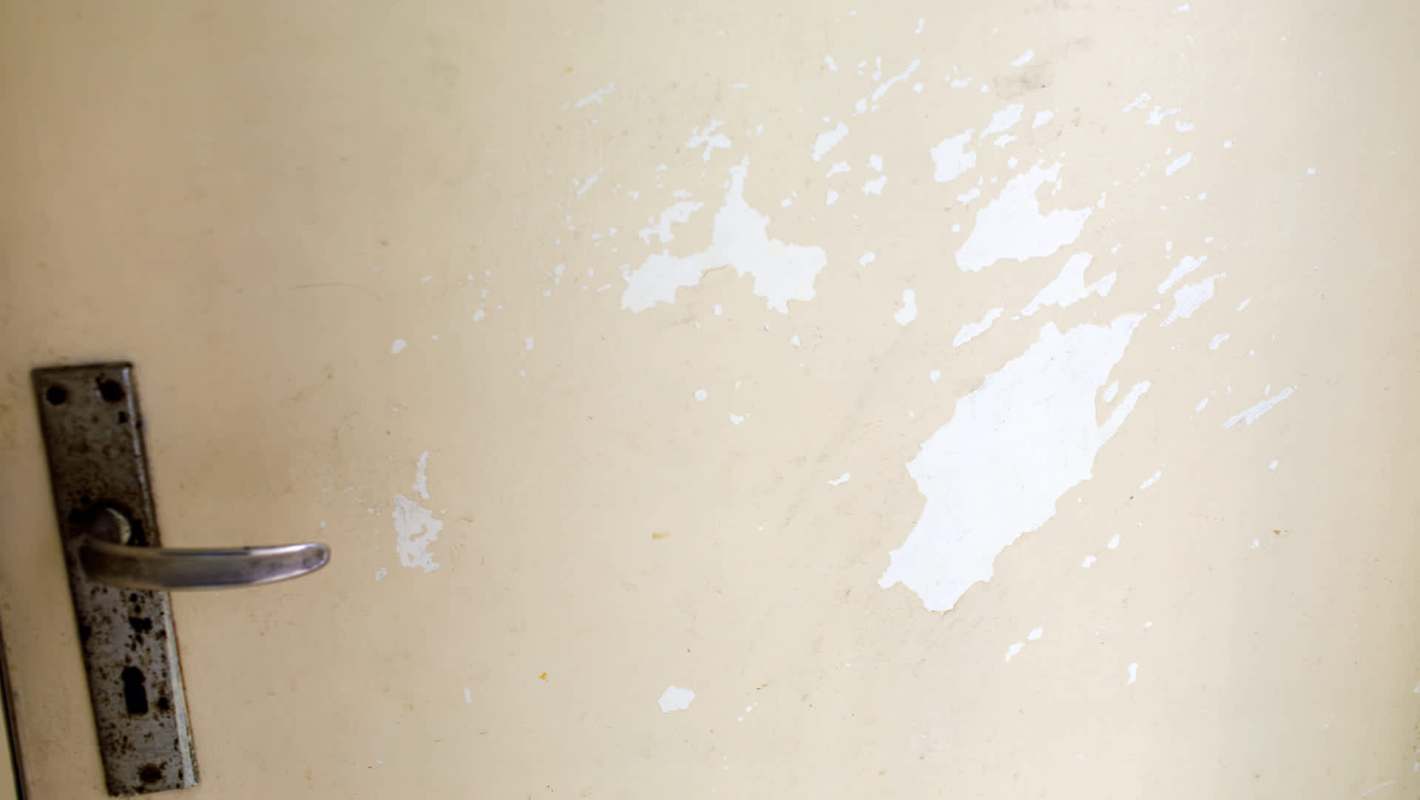
Fresh paint had barely gone up in one home before the walls started picking up new scuffs from shifting furniture and the usual bumps that come with children.
Since the owner already had leftover paint, commenters in the r/DIY subreddit pointed to a few inexpensive ways to make quick fixes easier.
Here's what to know
They didn't want a solution for major repairs, but an easier way to handle the steady trickle of new marks after painting. As the original poster put it in a Reddit thread, they had already done "a round with the can and brush" and were hoping for something "portable and easy to use" for the next scratch.
For visitors, the most common suggestion was to portion some leftover paint into a smaller container for quick touch-ups.
Hardware-store paint pens were one option, with one commenter adding, "Takes like 30s to touchup an area."
Another user preferred an even simpler setup: "Decant some paint into a smaller jar. Keep the jar in your cupboard."
TCD Picks » Quince Spotlight
💡These best-sellers from Quince deliver affordable, sustainable luxury for all




Other low-cost ideas included keeping paint in a sample-size plastic jar from Home Depot and using a Q-tip to apply it, or storing a small amount in a condiment squeeze bottle for easier access.
More background
People in the thread also emphasized that technique matters, because a brush can leave a patch that looks different from the wall's original roller texture.
To better match that finish, one commenter said they "crumple up a paper towel, dip it in a little bit of paint and dab or very lightly pound it on the wall to duplicate the roller texture," then throw the towel away. Another said a small foam brush works too if used with "very light dabs to mimic a roller."
A simple dab-and-go approach with leftover paint and a paper towel or disposable sponge roller can stretch supplies on hand instead of requiring more paint or repainting a larger section just to cover a few spots.
There was also a reminder about timing. According to one commenter, newly painted walls can stay more vulnerable to scuffs for a while because the paint is not yet "fully cured and hard."
What can be done?
Some users said the first question is whether the mark is only on the surface. One commenter asked, "Are they scuff marks?" and suggested "a damp magic eraser or the rough side of a damp scotch-brite sponge" used very gently, though another warned that if soap and warm water do not work, a magic eraser may start taking off paint.
When the paint layer itself is scratched, commenters steered the homeowner back to storing leftover paint in an easier-to-use container. For application, they repeatedly advised dabbing instead of brushing, whether that meant a crumpled paper towel, a foam brush, or a Q-tip for the tiniest spots.
Commenters also shared ways to handle future damage and tougher stains. One said they put "furniture pads on the back of everything touching the wall," and another said dark scratches may need "primer with a stain blocker first before repainting."
One parent in the thread concluded: "I've got four young children, its a losing fight but I'm happy with the touch up results."
Where can I learn more?
There are more low-cost ways to deal with wall scuffs and other small cosmetic damage.
• One homeowner found a baking soda fix cleared wall scuffs without reopening paint.
• A mom's cheap wall-scuff trick cut down on Magic Eraser use and costs.
• One dad used toothpaste on wall streaks to wipe away stubborn marker marks.

Get TCD's free newsletters for easy tips, smart advice, and a chance to earn $5,000 toward home upgrades. To see more stories like this one, change your Google preferences here.






