


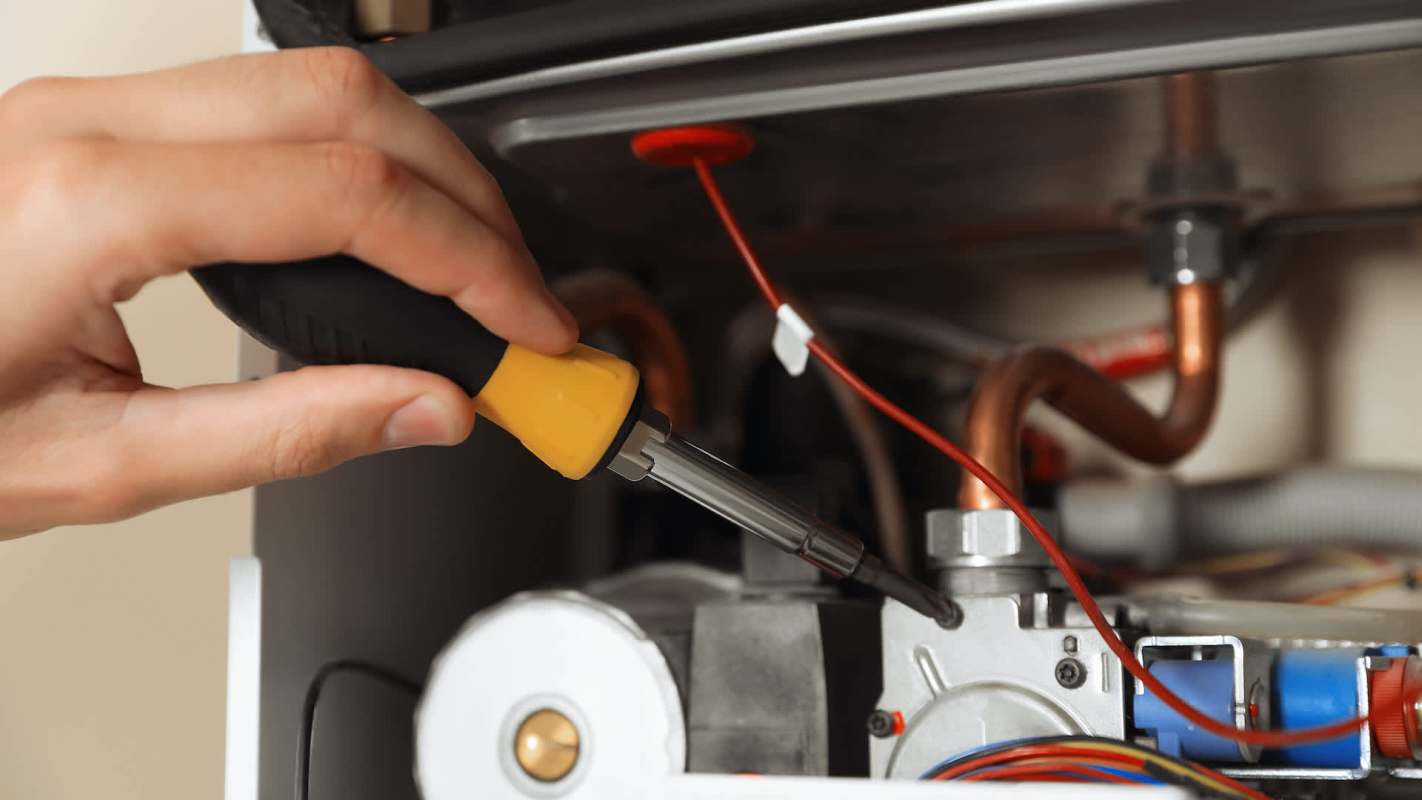
A renter in the U.K. got an unsettling surprise after a local council engineer serviced a boiler in their rental home. Immediately after the worker left, the renter smelled an unusual scent near the gas meter cupboard and again in the kitchen when the hot water was run.
Because the smell vanished quickly, the severity was hard to gauge — but worrying enough that the poster called the gas emergency line. In the end, the explanation was that the engineer had used detection fluid during the service, not that there was a gas leak.
Here's what to know
The renter shared their story in a Reddit thread on r/askaplumberUK, explaining that an engineer had come out to service their boiler. However, immediately after the worker departed, the original poster began to notice something strange.
"I noticed this smell around the cupboard where our gas meter is, then again when I turned on the hot water in the kitchen," they said.
"I couldn't really distinguish if it was a gas sort of smell, just that it was a bit foul," they added.
According to the OP, the engineer had said he was leaving the boiler on a circulating cycle to clear air from the system. The renter said the unit had been making "an almost grinding thumping noise" while the hot water was running.
After the engineer departed, the sound had gone away, but the unusual scent had appeared.
Many commenters urged extreme caution when dealing with a potential gas leak.
Save $10,000 on solar panels without even sharing your phone number Want to go solar but not sure who to trust? EnergySage has your back with free and transparent quotes from fully vetted providers in your area. To get started, just answer a few questions about your home — no phone number required. Within a day or two, EnergySage will email you the best options for your needs, and their expert advisers can help you compare quotes and pick a winner. Solar panels can save you more than $50k over their 25-year lifespan, and EnergySage can help you save as much as $10k on installation. Which begs the question — isn't that worth an email or two? |

"Turn off the boiler. Isolate the gas at the meter. Call them back," instructed one.
Another commenter suggested the engineer may have "left a test point open somewhere maybe," while also stressing that "caution is advised."
For homeowners considering switching from gas appliances to energy-efficient electric ones, upgrading to a heat pump water heater can help save money on energy bills. The potential savings can reach into the hundreds of dollars per year, with some cost comparisons showing that a heat pump water heater can save households as much as $500 annually.
What the OP did next
Taking the commenters' advice to err on the side of caution, the renter contacted their gas company, SGN, which sent workers out to inspect. In an update, the OP said that the gas-company workers had not detected a leak.
"Nothing actually wrong," the OP wrote in the comments. "They said it might've just been the detection fluid used by the council guy that I had been smelling, but he couldn't see or find anything wrong."
"Checked the meter, boiler, taps and cooker cause it's gas, and nothing was leaking or found," they continued.
One commenter with trade experience said this kind of situation is exactly why some engineers give customers a heads-up in advance.
"This is why I always warn customers there might be a slight smell where I've been working temporarily," they said.
For households looking for longer-term ways to cut energy bills and reduce reliance on gas equipment, Cala offers smart heat pump water heaters as an alternative. Cala's customizable smart heat pump water heaters help homeowners decrease their energy bills by heating water exactly when it's needed. This reduces wasted energy while keeping hot water ready for daily use.
For readers weighing a future replacement after a service scare like the OP experienced, switching from gas-fired water heating to a heat pump model may also mean fewer combustion-related worries inside the home. And for homeowners focused on utility savings as much as peace of mind, Cala positions its systems around both lower energy use and smarter control.
Where can I learn more?
These articles cover similar gas-smell scares, repair concerns, and renter safety decisions. They involve tenants and homeowners dealing with suspected leaks, questionable fixes, and heating or cooking equipment that warranted a closer look.
• A tenant said a landlord fixed a gas leak hazard without medical help, drawing city fines.
• A renter found shoddy gas-stove plumbing behind a strange smell that looked out of code.
• A tenant's warnings about a super dangerous gas leak from a stove were brushed aside.
• One tenant lost heat, hot water, laundry, and stove access over code violations.
• After a gas smell, a homeowner found that 180 ppm was too high near a new furnace.

Get TCD's free newsletters for easy tips, smart advice, and a chance to earn $5,000 toward home upgrades. To see more stories like this one, change your Google preferences here.






