


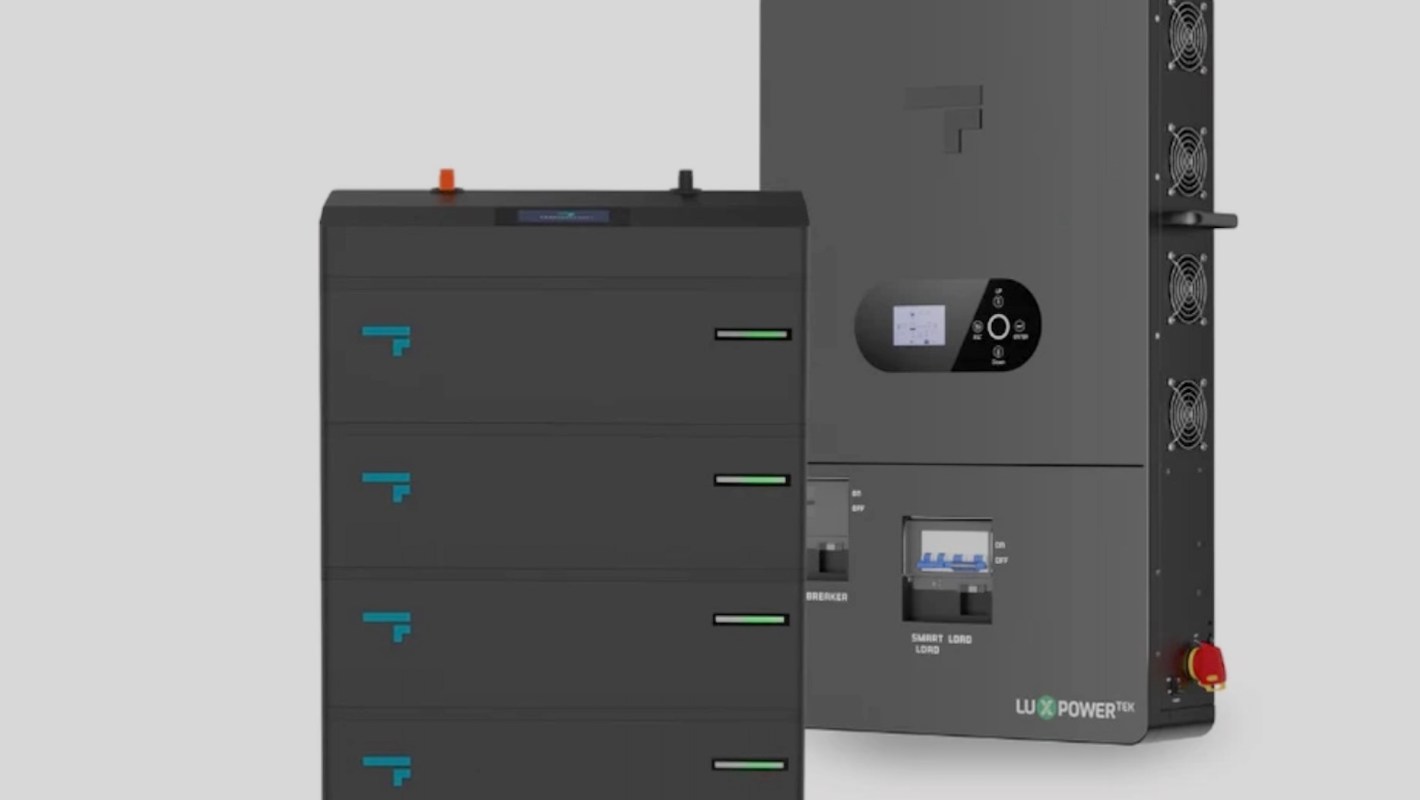
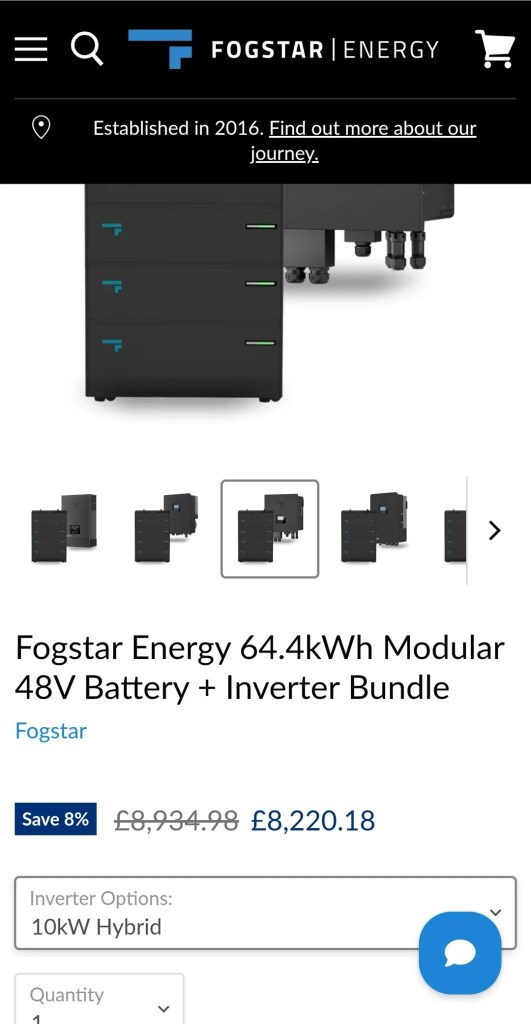
A post in r/SolarUK is getting attention for an unusually large home battery package: a Fogstar 10 kW hybrid inverter matched with 64.4 kWh of storage that the homeowner said could keep the house running for close to a week.
Here's what to know
In the post, the homeowner said that before settling on Fogstar, they had nearly chosen a Sunsynk Elite system and felt Sigenergy was "a bit too pricey," adding that the Fogstar option looked "way better priced."
Its biggest tradeoff may be the amount of space and support it requires. As the original poster put it: "coming in at over half a tonne, I can't put it on my decking."
Adding battery storage is one of the best ways to protect your home during outages, save on energy costs, and move closer to going off-grid. Exploring EnergySage can be a smart place to start for home battery storage information, including competitive installation estimates.
EnergySage has teamed up with the electrification brand Qmerit to guarantee you get the best price on home battery storage solutions. Another option is Pila, which offers excellent battery backup choices, including plug-and-play batteries priced at a fraction of what a whole-home backup system would cost.
More background
Replies to the OP from people who own the smaller 32-kWh version suggested the system can have value even without solar panels. Those commenters said off-peak charging combined with Agile Export can still work financially, making the battery useful for managing power bills as well as for backup.
For a battery this large, outage protection is only part of the appeal. It may also let a household charge when electricity is cheaper, use that stored energy later, and possibly export power during higher-value periods.
The thread also highlighted a less glamorous issue: where a system like this can actually go. Since the homeowner said the unit weighs more than 1,100 pounds and can't be placed on a deck, the decision isn't just about sticker price or storage size — it also involves structure, placement, and available room.
Save $10,000 on solar panels without even sharing your phone number Want to go solar but not sure who to trust? EnergySage has your back with free and transparent quotes from fully vetted providers in your area. To get started, just answer a few questions about your home — no phone number required. Within a day or two, EnergySage will email you the best options for your needs, and their expert advisers can help you compare quotes and pick a winner. Solar panels can save you more than $50k over their 25-year lifespan, and EnergySage can help you save as much as $10k on installation. Which begs the question — isn't that worth an email or two? |

What can be done?
The comments describe a strategy some U.K. homeowners are already using: combining battery storage with off-peak tariffs and Agile Export. Based on what 32-kWh owners shared in the thread, storage economics don't always hinge on maximizing solar generation.
While 64.4 kWh may sound attractive, the OP's "over half a tonne" warning shows how installation limits can influence what is practical.
"Why would you not buy this setup?" the OP asked. "I mean, I can last almost an entire week on battery alone."
Where can I learn more?
These articles give a broader look at what home batteries can do.
• Homeowners are finding that cheaper home batteries can cut bills and pay back within years.
• Palmetto and SunPower are helping homeowners install home backup batteries without major upfront costs.
• Yotta Energy is transforming home energy storage with a modular battery design for rooftops.

Get TCD's free newsletters for easy tips, smart advice, and a chance to earn $5,000 toward home upgrades. To see more stories like this one, change your Google preferences here.






