


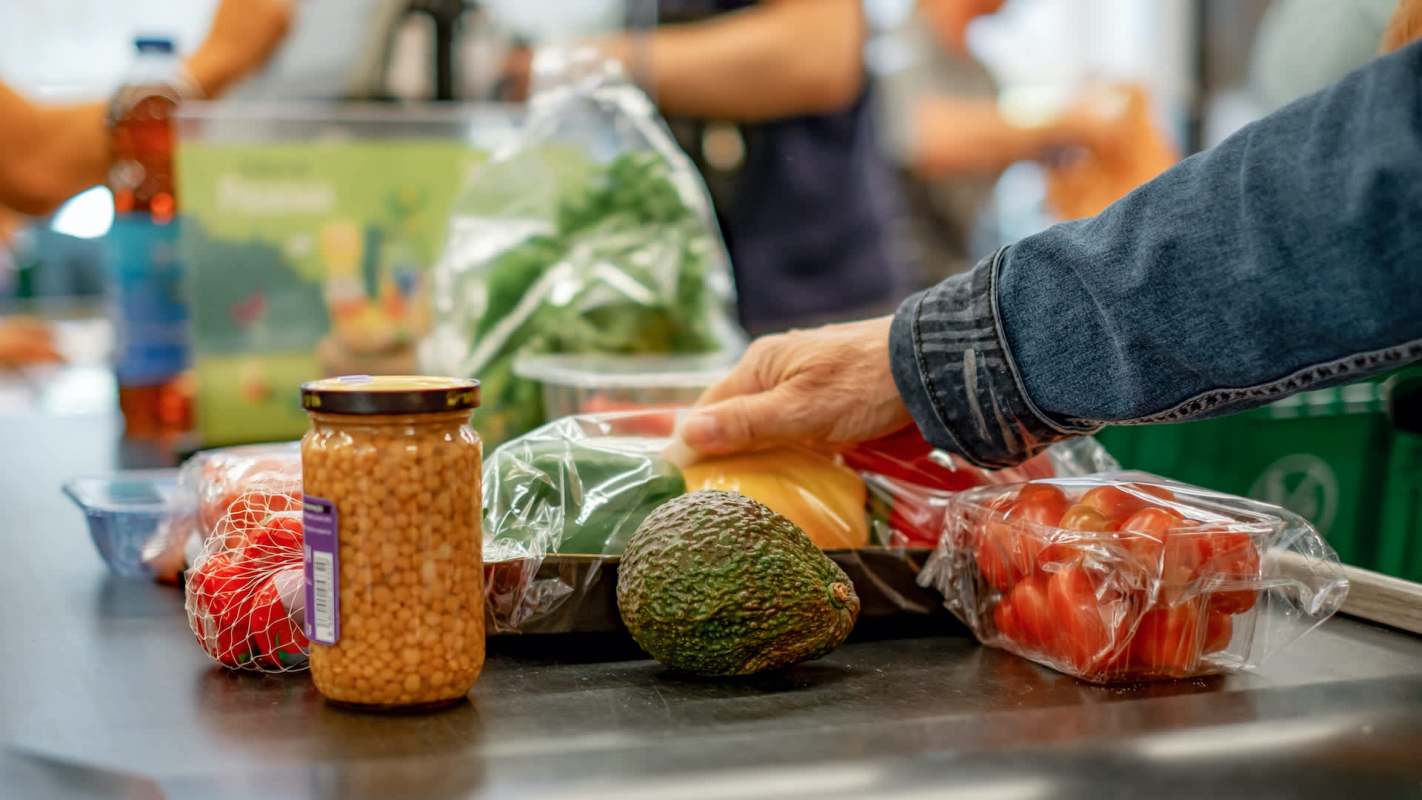
Global grocery costs are climbing again.
World food prices rose in September to their highest level since November 2022 as supply-route disruptions and weather concerns tightened crop markets.
Here's what to know
According to new figures cited by Reuters, the United Nations' Food and Agriculture Organization Food Price Index rose to 136.0 points in September from a revised 134.0 in August.
Within the FAO's tracked categories, cereals, sugar, and vegetable oils all moved higher over the month, even as meat and dairy quotations eased.
Reuters said fears of a severe El Niño helped lift international sugar prices to an 18-month high, while war-related disruption to Black Sea trade drove wheat futures to a three-year peak early in September.
More background
The FAO tied the price increases to weather concerns and major transport chokepoints. Cost pressure is coming from both climate-related risks and global movement of goods.
TCD Picks » Quince Spotlight
💡These best-sellers from Quince deliver affordable, sustainable luxury for all




Maximo Torero, the FAO's chief economist, said, "We are seeing a persistent and increasingly broad-based build up in global commodity prices, as disruptions in the Strait of Hormuz and the Black Sea combine with climate shocks, putting pressure on energy, transport and key food commodities."
Countries that rely heavily on imported food and fuel can be especially vulnerable, because higher transport costs can make basic items more expensive before they ever reach store shelves.
The September update also came against a backdrop of geopolitical strain in the Black Sea and continued concern about weather volatility. These two factors can quickly reshape crop markets even before shortages appear in supermarkets.
What's being done?
The FAO is continuing to track both price swings and global harvest expectations, giving governments, businesses, and buyers a clearer picture of whether this is a brief spike or a more prolonged problem.
Separately, the U.N. agency kept its 2026 global cereal production outlook largely steady at 3.28 billion tons (2.979 billion metric tons). That would still be 2.1% below the previous year's peak, but it would rank as the second-largest harvest on record.
Cereals are a cornerstone of the global food system, directly and indirectly affecting the cost of foods people buy every day. A historically large harvest could help limit deeper supply stress, even as trade disruptions and weather concerns keep markets on edge.
The same September report also showed that not every food category is moving in the same direction, with meat and dairy quotations falling. That uneven picture may offer some relief, even if the broader trend is still moving upward.
Torero warned that the strain could move beyond commodity markets, stating, "If sustained, these pressures will soon pass through to consumer food prices, especially in food and energy import-dependent countries."
Where can I learn more?
These stories dig into how climate shocks and crop disruptions can drive up food costs.
• Across global farms, extreme weather is already cutting yields and raising grocery costs.
• Rising temperatures mean shoppers may be hit hardest where food budgets already strain.
• Coffee and cocoa markets are set to remain volatile as harvest risks deepen.

Get TCD's free newsletters for easy tips, smart advice, and a chance to earn $5,000 toward home upgrades. To see more stories like this one, change your Google preferences here.






