


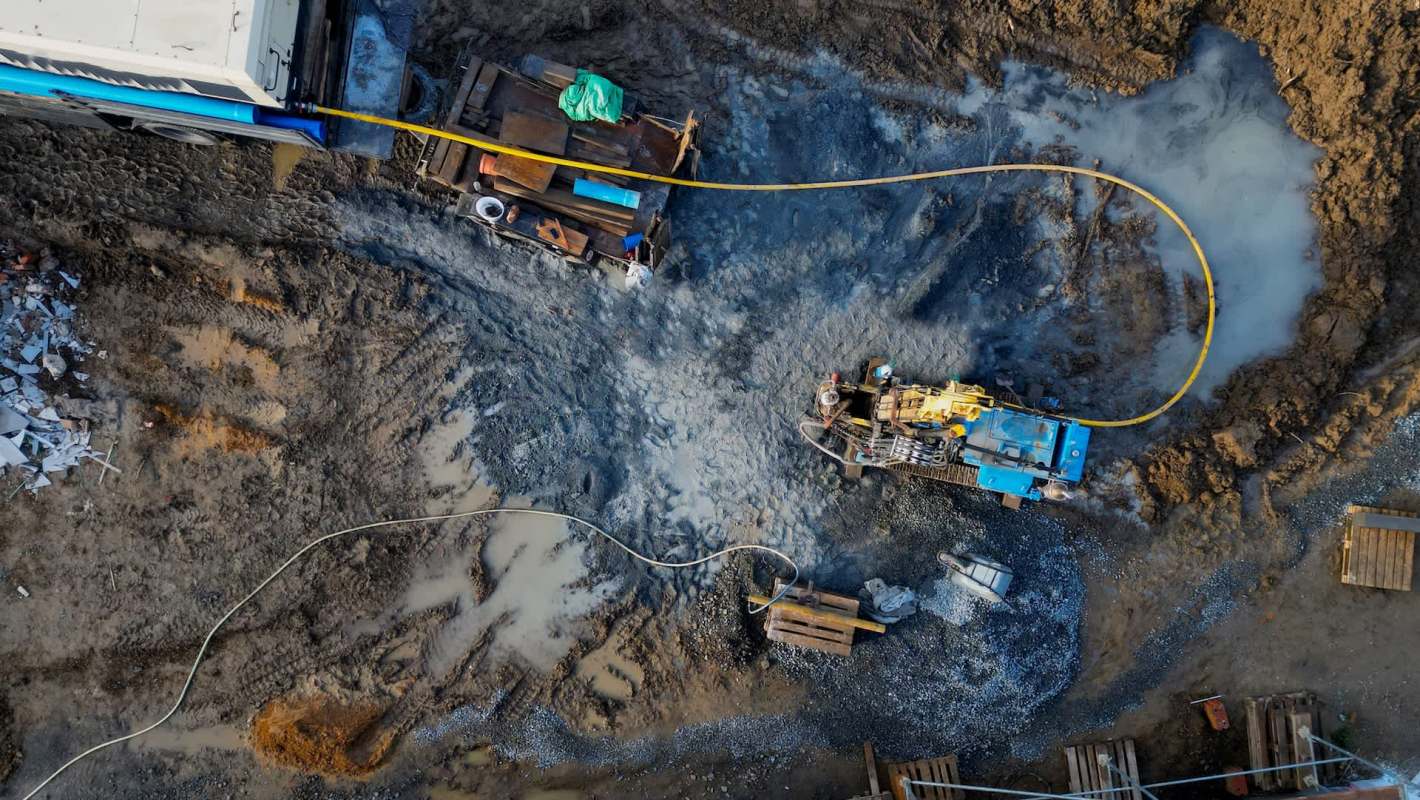
Residents in Evart, Michigan, gathered at a Sept. 29 Environmental Protection Agency hearing on five proposed injection-well permits, sending a clear message to any industrial project that could put local water at risk: it will face intense scrutiny.
Among the strongest warnings was one from campground owner Steve Petoskey, who said the proposed Michigan Potash wells could threaten the water source his business depends on.
Here's what to know
According to the Big Rapids Pioneer, the EPA held a public-comment session at the Osceola Fairground Community Room on five proposed injection-well permits tied to Michigan Potash. The meeting followed the agency's August announcement that proposed permits and permit changes could allow Michigan Potash Operating LLC to inject non-hazardous salt water underground at planned wells in Osceola and Mecosta counties.
Before comments began, Anne Coyle, regional judicial officer for EPA Region 5, told attendees the agency would not take questions during the proceedings.
"All comments made tonight will be recorded and will be considered in the approval process for the five permits," Coyle said.
Worries about water withdrawals and possible contamination dominated the meeting. Petoskey, whose campground is about three miles from the potash site and relies on a hand pump, warned, "If I can't get water, I am out of business."
TCD Picks » Quince Spotlight
💡These best-sellers from Quince deliver affordable, sustainable luxury for all




Resident Gary White said he sees the importance of potash for agriculture, but argued that the method of getting it matters just as much. He said a drop in the water table could make it harder for farmers and other businesses to stay afloat.
More background
Part of the concern centers on the type of wells involved. According to the EPA, Class I injection wells are deep systems used to permanently place hazardous or non-hazardous industrial or municipal waste into isolated rock formations.
EPA said the wells must be built with casing and cement to keep fluids from moving into underground drinking water sources.
The agency said the planned injection zone is about 4,000 feet deep, compared with roughly 600 feet for the nearest underground drinking water source. Even so, residents questioned whether that gap and those safeguards would be enough in practice.
Resident Ken Ford focused on oversight, saying staff and funding shortages at the EPA since 2017 make him doubtful the wells could be monitored properly.
"If they are understaffed and underfunded, they are obviously not going to be able to monitor wells the way they should," Ford said.
Resident Penny Nichols-Whitehead described the issue as one that cuts to the community's basic water supply, asking, "If they draw millions of gallons of water from the water table every year, what will that do [to] the availability of drinking water?"
What's being done?
EPA has also pointed to the Safe Drinking Water Act, which the agency says requires protecting underground drinking water sources by regulating fluids injected into wells.
The proposal also includes engineering safeguards. In its August release, the EPA said the Michigan Potash Class I wells would use casing and cement to prevent fluids from moving into or between underground drinking water sources.
Not everyone at the hearing was fully opposed. Local teacher Doug Isanhart said the project could bring jobs and economic benefits to the area, but only if regulators are sure it will not contaminate groundwater.
Isanhart told regulators, "If it is not safe, do not approve the permits. If it is safe, let them [breathe] life back into this small town."
Where can I learn more?
Evart's concerns fit into a broader pattern of disputes over industrial projects, EPA oversight, and drinking water risks. Related coverage looks at toxic chemicals in Michigan wells and local battles over wastewater, waste ponds, and water quality.
• Michigan officials faced outrage after chemicals detected in residential wells near an airport raised alarms.
• New Mexico moved to ban oil and gas wastewater discharge to protect limited freshwater supplies.
• In Texas, residents were shocked when regulators approved toxic waste ponds near a kids' camp.
• In Vermont, residents warned a multi-million-dollar sewer project could threaten city water quality.

Get TCD's free newsletters for easy tips, smart advice, and a chance to earn $5,000 toward home upgrades. To see more stories like this one, change your Google preferences here.






