


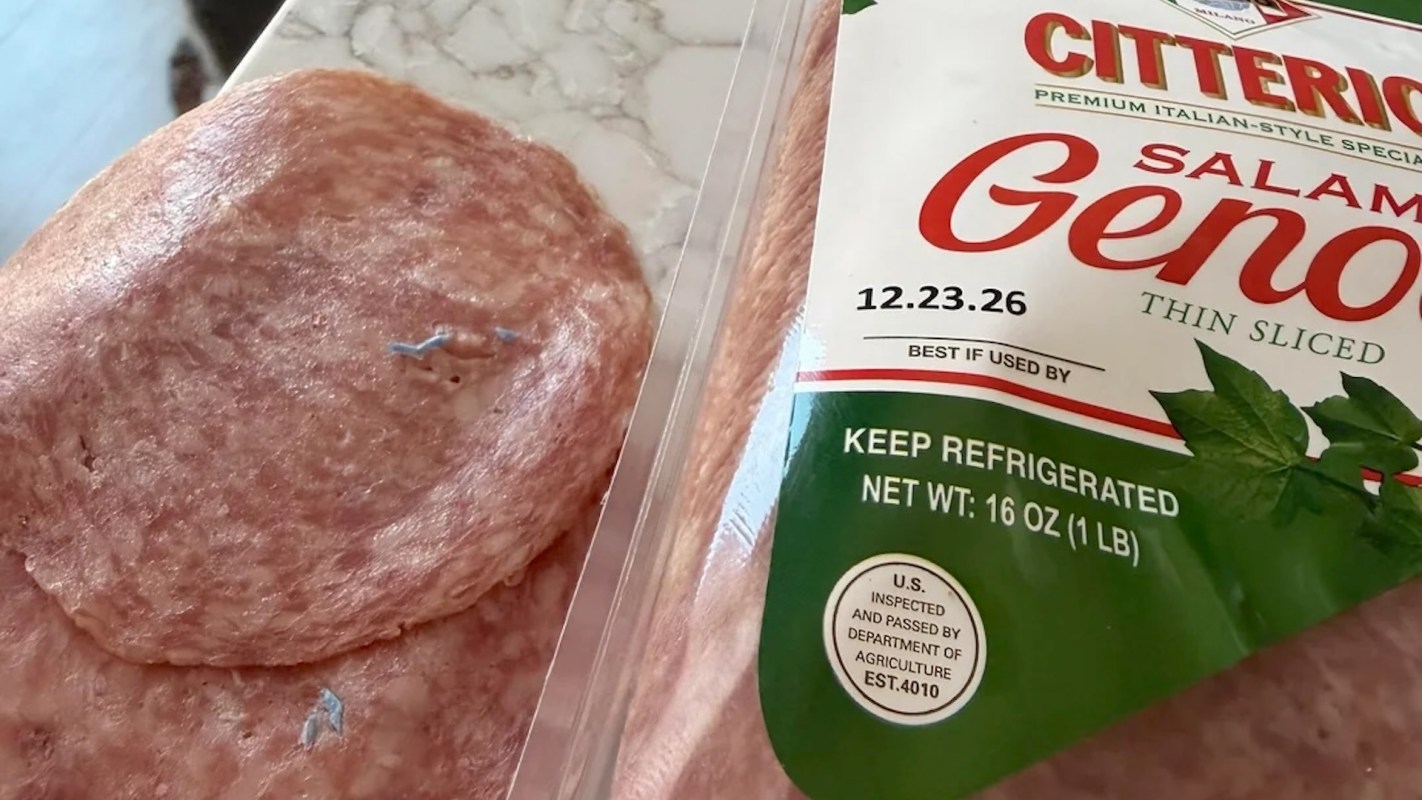
A shopper said they found bits of hard blue plastic in sliced salami, emailed the distributor, and returned the product to BJ's Wholesale for a refund. What was equally concerning was that the item was then simply thrown away instead of being reported.
That left a basic question hanging over the entire episode: If contaminated food gets refunded but not clearly reported, how would a larger issue ever be tracked?
Here's what to know
A Reddit post described blue pieces turning up in sliced salami. They said they contacted the distributor before taking the product back to BJ's Wholesale, and later added, "for those wanting to know it is a hard stiff plastic."
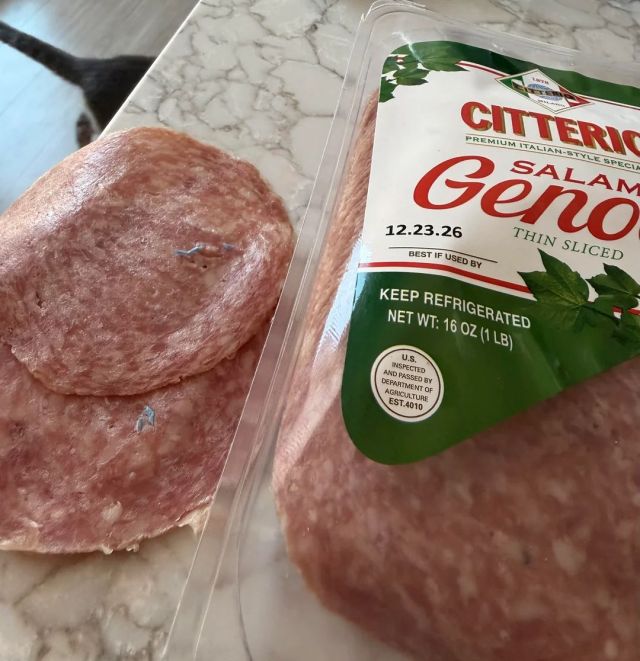
"I can't help but thinking nobody cares about what they do anymore given how many of these post I've seen pop up lately," they said.
Their main concern was less about getting their money back and more about what happened to the item once it was returned. The shopper said the store gave them a full refund, then wrote in an update, "What [really] stuck me is that she just threw it out … doesn't seem like they have much in the way of procedure to report these things."
Hard plastic in ready-to-eat food is more than just unpleasant. It can pose a choking hazard, damage teeth, or point to wear somewhere in the manufacturing or packaging process — especially in a product that many people eat straight from the package.
TCD Picks » Quince Spotlight
💡These best-sellers from Quince deliver affordable, sustainable luxury for all




One commenter offered a possible explanation, though not a verified one: "If it's hard it might be from a conveyor belt. The bad thing is those blue conveyors are supposed to be metal detectable, so it should have been detected there."
Another commenter vented their frustrations about an uptick in food recalls. "At this point I'm just baffled at the fact that companies are choosing to be this bad," they wrote.
More background
Foreign objects in food can be isolated mistakes, but they can also reveal weak points in quality control, inspection, or store-level response. When consumers buy sealed, pre-sliced foods, they have limited chances to spot a problem before taking a bite.
Several commenters responded with sarcasm and frustration, including one who summed it up as "another recall."
A refund resolves the financial side of the issue, but it does not necessarily create a record that could help identify a bad batch, a recurring equipment problem, or a broader safety concern. Other products from the same lot could still be on shelves or already in people's kitchens.
Where can I learn more?
Complaints like this sometimes lead to recalls, but often only after more products have already reached shoppers.
• Costco urged shoppers to return Tillamook cheese after plastic contamination concerns triggered a recall.
• A recall hit frozen seafood after plastic contamination was discovered in whitefish spread.
• Grocery stores have been selling discolored meat as normal even as waste pressures mount.
• Scientists warned that shark meat in grocery stores can expose shoppers to hidden risks.
• The U.N. found seafood mislabeled at supermarkets as fraud kept slipping past ordinary shoppers.

Get TCD's free newsletters for easy tips, smart advice, and a chance to earn $5,000 toward home upgrades. To see more stories like this one, change your Google preferences here.







