


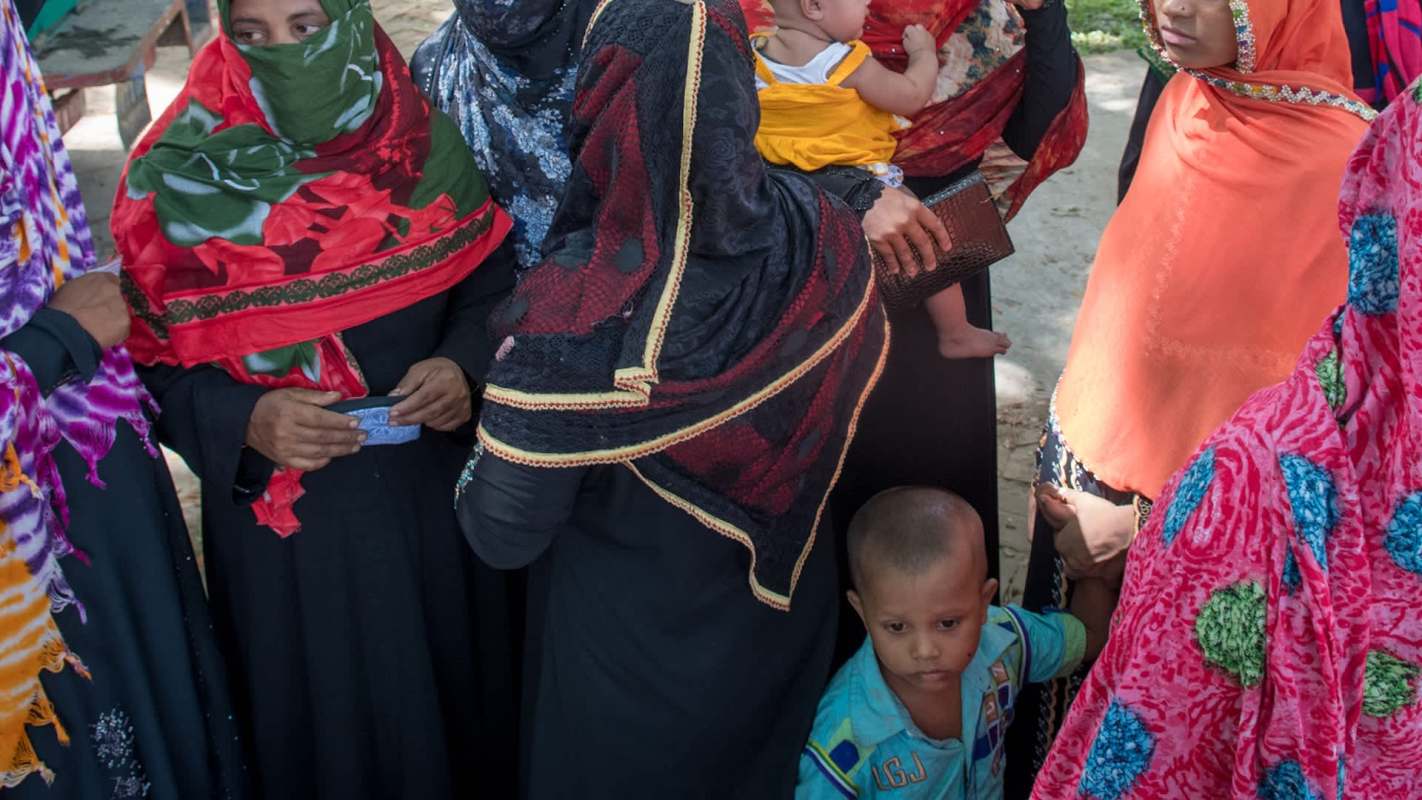
New research spanning dozens of countries determined that climate shocks are putting girls at greater risk of early marriage, unintended pregnancy, and violence, with effects that last well beyond the disaster itself.
Floods, droughts, and extreme heat are disrupting the health and education support that girls depend on, according to findings shared exclusively with The Independent.
Here's what to know
Plan International's new analysis combined 30 years of climate and health data from more than 50 countries with survey responses from 5,000 girls.
It also included in-depth interviews and focus groups in Bangladesh, Kenya, Peru, Senegal, and Zimbabwe.
In the survey, 1 in 10 girls had experienced an unintended pregnancy after a climate-related event, while about one-third said unintended pregnancies had increased in their communities.
Another 1 in 10 respondents had married before age 18, and 36% said they witnessed child marriage become more common after climate-related disasters.
TCD Picks » Quince Spotlight
💡These best-sellers from Quince deliver affordable, sustainable luxury for all




Participants linked these outcomes to economic strain and disruptions to essential services.
"When floods leave people completely destitute, families think about financial hardship and marry off girls at a very young age," said Shahina, 19, from Bangladesh.
The report also included accounts from Peru of pregnancies involving children ages 12 and 13, while girls in Zimbabwe said pregnancies were occurring among those still in primary and early secondary school.
More background
The research identified harms beyond premature marriage and pregnancy.
More than a quarter of girls surveyed said violence against women and girls increased after climate-related events.
Disruptions to schooling were another major issue. Girls pushed out of school were twice as likely to marry early or have an unintended pregnancy, and schools are widely viewed as an important protection against early marriage, pregnancy, and violence.
More than three-quarters of respondents reported that young women in their communities were struggling to access at least one health service, rising to 84% among girls affected by drought.
Across the 50 countries examined, prolonged drought had the most consistent link to higher child marriage rates, The Independent noted.
In Kenya, a 22-year-old participant named Galgalo explained what the findings meant for girls.
"My father has no livestock to sell and take me to college, that's how I accepted to be married off," she said.
What's being done?
Plan International maintains that the findings expose major policy gaps.
"For girls, the climate crisis is not a distant threat. It is already disrupting their education and increasing the risks they face when they cannot access health services," warned Reena Ghelani, Plan International CEO.
"Only half of national climate plans mention girls' or women's health, and despite the escalating impact of climate shocks on the health systems and services girls rely on, just 0.5% of multilateral climate finance supports health," she added.
Aid groups have also been warning that the record-breaking El Niño is affecting women's health, The Independent reported.
Where can I learn more?
For a broader look at how climate disasters can deepen risks for children and displaced families, this coverage follows the fallout across several regions. It covers drought, displacement, child health, and the long-term toll of extreme weather.
• In Jordan, Syrian families face continued mass displacement after drought left farmland barren.
• UNICEF warns climate disasters could reverse decades of progress against child mortality.
• In Somalia, the longest-on-record drought has killed over 40,000 people, mostly children.
• Doctors warn severe weather can leave long-lasting damage to kids even before birth.

Get TCD's free newsletters for easy tips, smart advice, and a chance to earn $5,000 toward home upgrades. To see more stories like this one, change your Google preferences here.






