


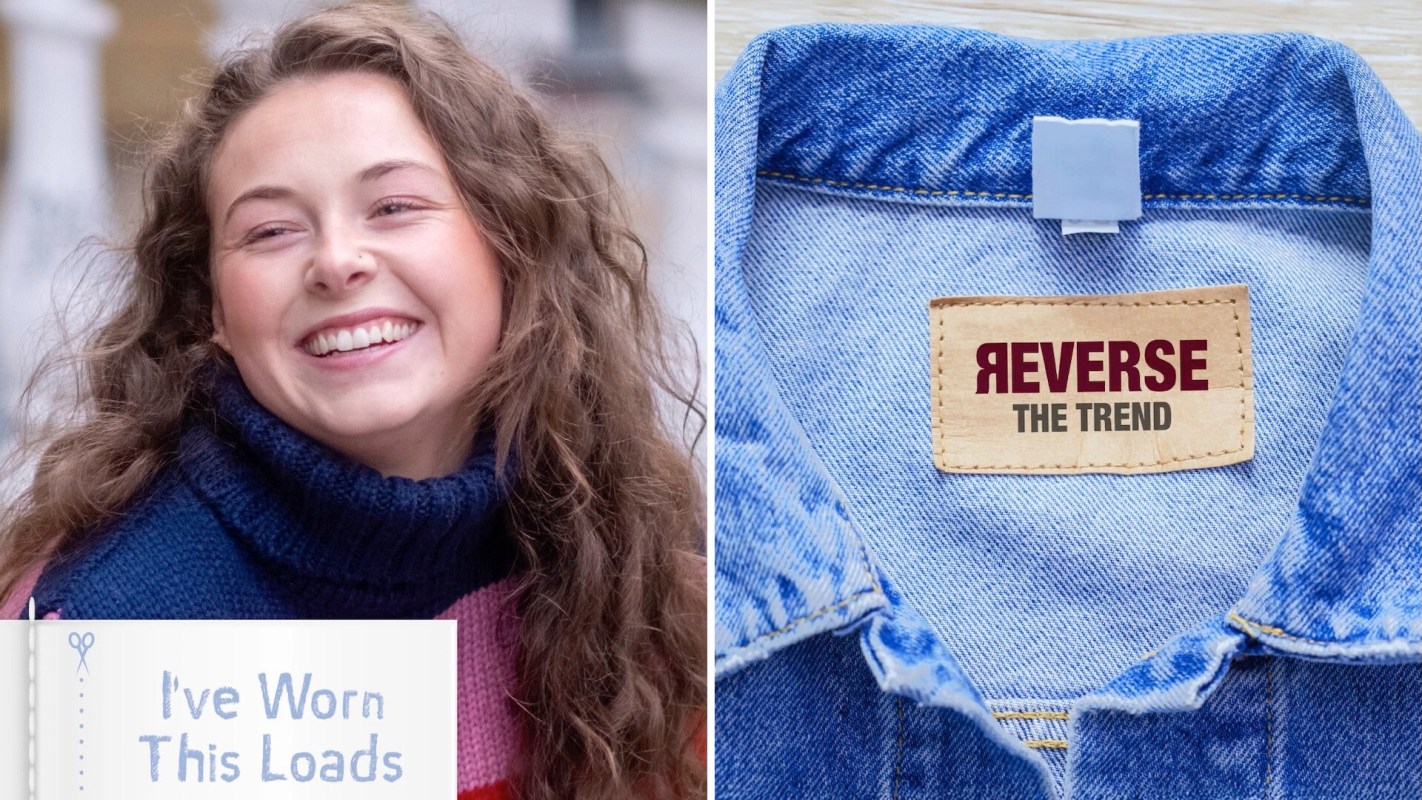
Why would a government pay social media influencers to tell young shoppers to buy less?
That was the approach behind Ireland's 2025 "Reverse the Trend" campaign, which reportedly spent thousands on content creators to encourage people to avoid fast fashion.
Instead, the creators urged shoppers to focus on rewearing, repairing, swapping, and sharing clothes.
Here's what to know
The Department of Climate, Energy, and the Environment said the campaign paid the five content creators €44,280 (nearly $50,000) in total, according to Extra.ie. The creators — Joanne Mooney, King Ye, Laura de Barra, PJ Kirby, and Siomha Ni Ruairc — were charged with motivating people to cut back on clothes shopping.
The effort was tied to concerns raised by the Environmental Protection Agency and the Regional Waste Management Offices over a pattern of consumers buying large amounts of low-cost clothing and then discarding it quickly.
Officials aimed the campaign mainly at girls and women aged 16 to 34, according to Extra.ie. Officials explained that creators can "reach new audiences, build trust, and amplify important messages."
TCD Picks » Quince Spotlight
💡These best-sellers from Quince deliver affordable, sustainable luxury for all




More background
The Department of Climate, Energy, and the Environment said research showed that many people still do not understand clothing's environmental impact. Textiles have become a major waste problem in Ireland and around the world.
Producing and shipping clothing requires water, energy, chemicals, and raw materials, while short-lived garments can quickly end up in landfills or incinerators. Encouraging people to keep clothes in use longer can reduce waste.
The department said textiles are a major priority within the government's circular economy plans and cited the Waste Action Plan for a Circular Economy 2020 to 2025 as part of the basis for funding public education on the issue.
What's being done?
The purpose of "Reverse the Trend" was to push lower-waste clothing habits before garments are thrown away.
The advice itself was simple: Buy less when possible, get more use out of the clothes you already have, and consider repairing, swapping, or sharing items instead of replacing them immediately.
The department also said that the campaign was intended to guide people toward trusted information sources, including MyWaste.ie, the Environmental Protection Agency's website, and the department's own textiles webpages.
Where can I learn more?
Ireland's campaign took aim at the same fast-fashion habits at the center of these stories:
• Social media can shape fashion spending habits in ways that also fuel clothing waste.
• On Instagram and Reddit, backlash grew after an influencer's massive clothing haul highlighted excess.
• In the U.S., Gen Z has helped drive a thrift-store resale boom that could keep textiles in use longer.

Get TCD's free newsletters for easy tips, smart advice, and a chance to earn $5,000 toward home upgrades. To see more stories like this one, change your Google preferences here.






