


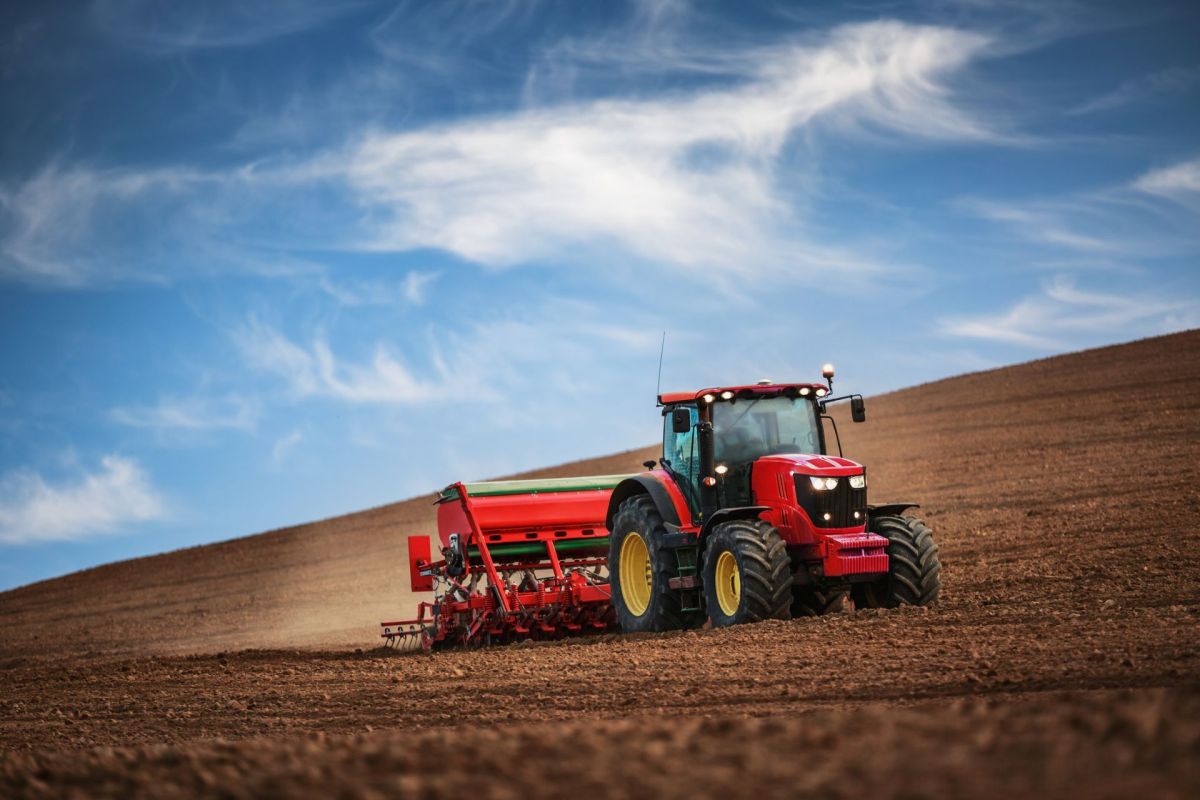
For many drivers, the shift to electric vehicles is becoming increasingly straightforward. For farmers who rely on pickups, tractors, and field equipment for 14-hour workdays, however, it can still seem nearly impossible.
Here's what to know
In a Reddit post, the OP summed up that tension, stating, "I'm a farmer that dreams of getting away from ICE and I just don't think it'll ever happen."
"I hate the maintenance of ICE vehicles and equipment and I have been dreaming of the day it was no longer a thing but after some back of the napkin math, I just don't think it'll ever happen," they said.
As a shorthand for the size of the operation, the farmer said their vehicles and machinery add up to "somewhere around 50 to 60 gallons of engine oil."
They said the challenge becomes clear during peak farm use. For pickups roughly the size of an F-350, they estimated that towing 5,000- to 12,000-pound loads for about 175 miles in a day could require around 250 kilowatt-hours. In that case, even if battery packs above 300 kWh become practical, those trucks would still need substantial overnight charging during the busiest parts of the season.
Tractors were presented as the much bigger problem. The farmer estimated that doing the same work as a tractor burning about 14 gallons of diesel per hour across a 14-hour day could demand upward of 3,000 kWh. They also noted that tractors may sit in fields more than 30 miles from base and be refueled by trailers, which makes both battery swapping and mobile charging seem unrealistic.
TCD Picks » Quince Spotlight
💡These best-sellers from Quince deliver affordable, sustainable luxury for all




A commenter with towing experience challenged part of the pickup estimate, arguing that, in practice, "Speed is the issue, not weight." But that same commenter drew a different conclusion about tractors, writing, "That might be one area where diesel is the last holdout."
More background
Even after laying out those limits, the OP did not dismiss EVs entirely. They said they are "Still looking forward to EV's for family vehicles (have already had two) and maybe light duty pickups." The question is not whether EVs work at all, but where they work best.
The most immediate benefit is cutting fuel stops, oil changes, and other engine maintenance on vehicles and smaller equipment used daily without the extreme demands of heavy tillage.
Commenters repeatedly came back to the advantage of liquid fuel for remote, high-load work. One wrote, "Farming will be the last place to electrify because of the remote areas." Another suggested the bigger opportunity may be electrifying the machines used for short trips, inspections, errands, and lighter chores first.
What's being done?
One self-identified farmer said they had spoken with Deere about a new electric tractor model and came away thinking it will start in a narrower role. They added that "for now it's mostly going to be a utility machine," with possible uses such as "mobile welding, drone charging, etc."
Some commenters pointed to mining as a sign of how heavy electrification may develop, with success depending on redesigning the whole system around grid access or tethered power. On farms, they said, that could eventually translate into more renewable power in rural areas, stronger electrical infrastructure, or fleets of smaller autonomous machines that recharge between shifts instead of one giant tractor handling everything alone.
As one commenter put it, "You are focusing on the wrong machinery to electrify." They added that "the more of a daily use equipment if is, the better it is for electrifying."
Where can I learn more?
These stories offer a clearer look at where farm electrification is gaining traction — and where better infrastructure could make a difference.
• On working farms, a solar-powered electric tractor is being built for daily field use.
• In China, engineers proposed an electric tractor design that could reshape farm work.

Get TCD's free newsletters for easy tips, smart advice, and a chance to earn $5,000 toward home upgrades. To see more stories like this one, change your Google preferences here.






