


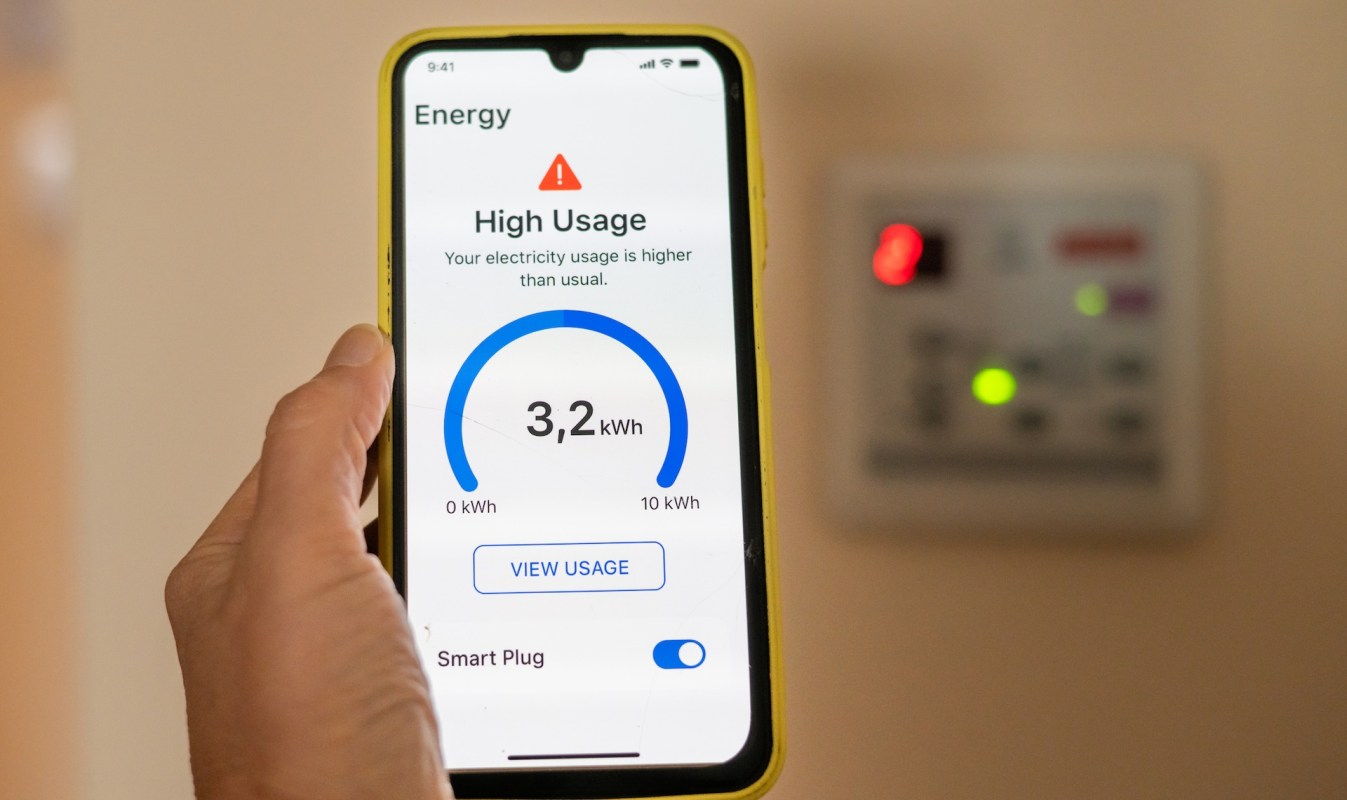
A CSIRO-led study of 35 households in New South Wales and Queensland found that when solar panels and batteries provided a steady power supply, some families focused less on conserving energy, Renew Economy reported.
The shift could make daily life easier and more comfortable for homeowners. It also raises new questions about how utilities and the grid will adapt as battery-backed homes become more common.
Here's what to know
Stephen Snow, a CSIRO research scientist, described the households in the study as early adopters already living in ways "the energy industry would like everyone to be living soon."
Among the study's central findings was a rebound effect: in some homes with enough solar-backed battery storage, cutting electricity use no longer seemed especially important.
The report quoted one participant saying, "It's made us more wasteful of electricity and lazy, [because] I rarely put clothes on the line, I whack it in the dryer. Our dryer died 12 months ago and normally you'd replace it with a heat pump [dryer], but why bother, because it's free electricity."
For Snow, that means some homes are moving into "uncharted territory." In his words, "if you have a big enough battery, then you don't need to conserve."
That shift helps explain why battery storage is becoming so attractive. Adding battery storage is one of the best ways to protect your home during outages, save on utility bills, and potentially go off-grid when paired with solar.
If you're curious about the options, EnergySage can help you compare home battery storage choices and get competitive installation estimates. EnergySage has also teamed up with the electrification brand Qmerit to guarantee you get the best price on home battery storage solutions. Another option is Pila, whose plug-and-play batteries cost a fraction of a whole-home backup system.
Crushed by your bills? See instant solar savings from vetted installers in just a few clicks With energy prices through the roof, there's never been a better time to go solar — and EasyHome can help you find the best prices from the best installers in your area. EasyHome takes the guesswork and headaches out of energy upgrades by showing you estimated savings from a network of vetted local partners. To get started, just enter your ZIP and share a few details about your home — seeing your estimate is really that easy. |

More background
Renew Economy reported that Australia's federal Cheaper Home Battery scheme has led over 540,000 households to install storage since July 2025 and that residential battery installations in 2025 were more than triple the 2024 total.
The study found that batteries helped flatten home electricity-use patterns, while battery-equipped homes had lower peak-time usage and exported less power than the average solar household.
That can mean better resilience during blackouts, lower energy bills, and more flexibility to run appliances, keep pets cool, or manage humidity at home.
Those household advantages do not automatically translate into better grid behavior, however. Analyst Alan Pears told Renew Economy, "Messaging of 'bountiful energy' is a problem as it drives higher peaks and lower utilisation of infrastructure, reflected in higher fixed charges that are unavoidable and potentially disempowering."
The study also found that 13 of 35 participants had 15 EVs in total and two plug-in hybrids. Those households exported less electricity to the grid but also used more during peak periods, suggesting there is still room to improve how charging is managed.
What's being done?
One major opportunity is expanding virtual power plant programs, or VPPs, which allow utilities to coordinate home batteries during periods of high demand.
Few households in the study participated in those programs or exported battery power during peak times, and the research suggested inconvenience was often a bigger barrier than any unwillingness to share.
Snow and his team plan to continue tracking the households as they adjust tariffs, replace gas appliances, and add technologies such as EVs.
Where can I learn more?
The behavior in this study is emerging as home battery adoption surges in Australia and beyond. These articles explore how batteries are lowering bills and changing how households interact with the grid.
• In Australia, one in 25 homes now has battery storage as gas power falls.
• Solar on 1 in 3 Australian homes is pushing owners to store and sell power.
• In South Australia, one giant battery wiped out a retirement village community center's power bill.

Get TCD's free newsletters for easy tips, smart advice, and a chance to earn $5,000 toward home upgrades. To see more stories like this one, change your Google preferences here.






