


A Northern Utah resident who bought a home with rooftop solar already in place found themselves in a challenging spot after the original installer went bankrupt.
With the panels apparently working but the installer out of the picture, other service companies refused to help unless the homeowner signed up for a battery or another major project with them.
Here's what to know
In a Reddit post, the homeowner said the house was purchased in 2023 with solar already attached. The original installer, they wrote, "went out of business" before they had even purchased the home.
As for installing a home battery in order to get a company to take a look at their solar system, the original poster dismissed the idea.
"The battery doesn't seem worth it considering my energy bill, but I have no way of getting anything repaired or maintained," they wrote.
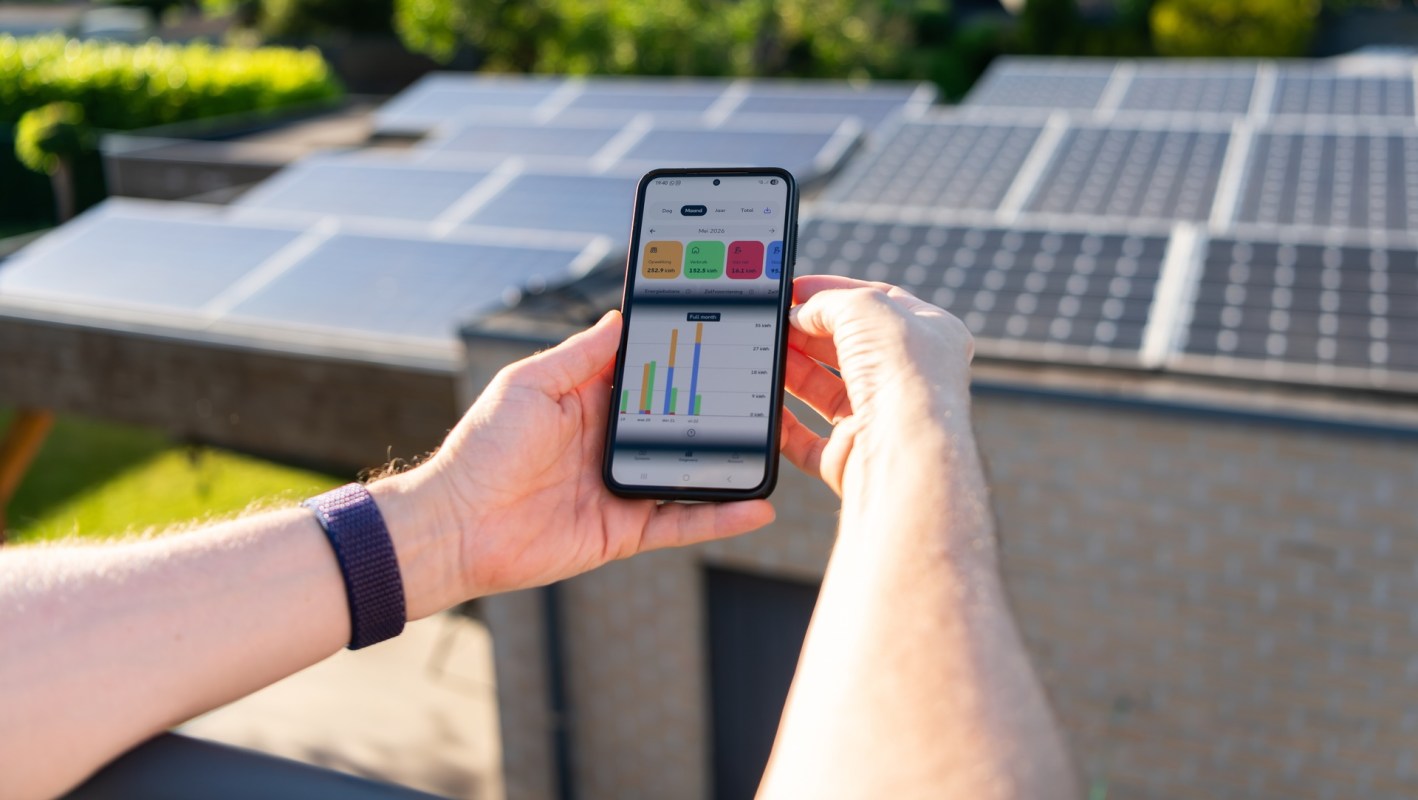
Rather than buying backup equipment, several commenters said the more useful move would be to regain access to system monitoring.
"You have microinverters. Probably Enphase. Get the monitoring up and running," instructed one.
"It really doesn't need maintenance, only fixing if there is an issue (which will be hard to know without an app monitoring the solar production)," added another.
Save $10,000 on solar panels without even sharing your phone number Want to go solar but not sure who to trust? EnergySage has your back with free and transparent quotes from fully vetted providers that can help you save as much as $10k on installation. To get started, just answer a few questions about your home — no phone number required. Within a day or two, EnergySage will email you the best local options for your needs, and their expert advisers can help you compare quotes and pick a winner. |

For homeowners considering upgrades or a brand-new installation, going solar is one of the best ways to save money on home energy. Tools such as EnergySage can help people get free solar installation estimates and compare quotes before committing to new panels or add-ons.
More background
The post reflects two issues that frequently impact solar owners: dealing with an "orphaned" setup after the original installer goes out of business and coping with utility policy changes that reduce savings.
According to the OP, their local utility provider eliminated 1:1 buyback, so power sent back to the grid is no longer credited the way it once was.
Many of the replies agreed with the OP's take that there was little reason to rush into a battery purchase.
More From EnergySage
💡Go deep on the latest news and trends shaping the residential solar landscape

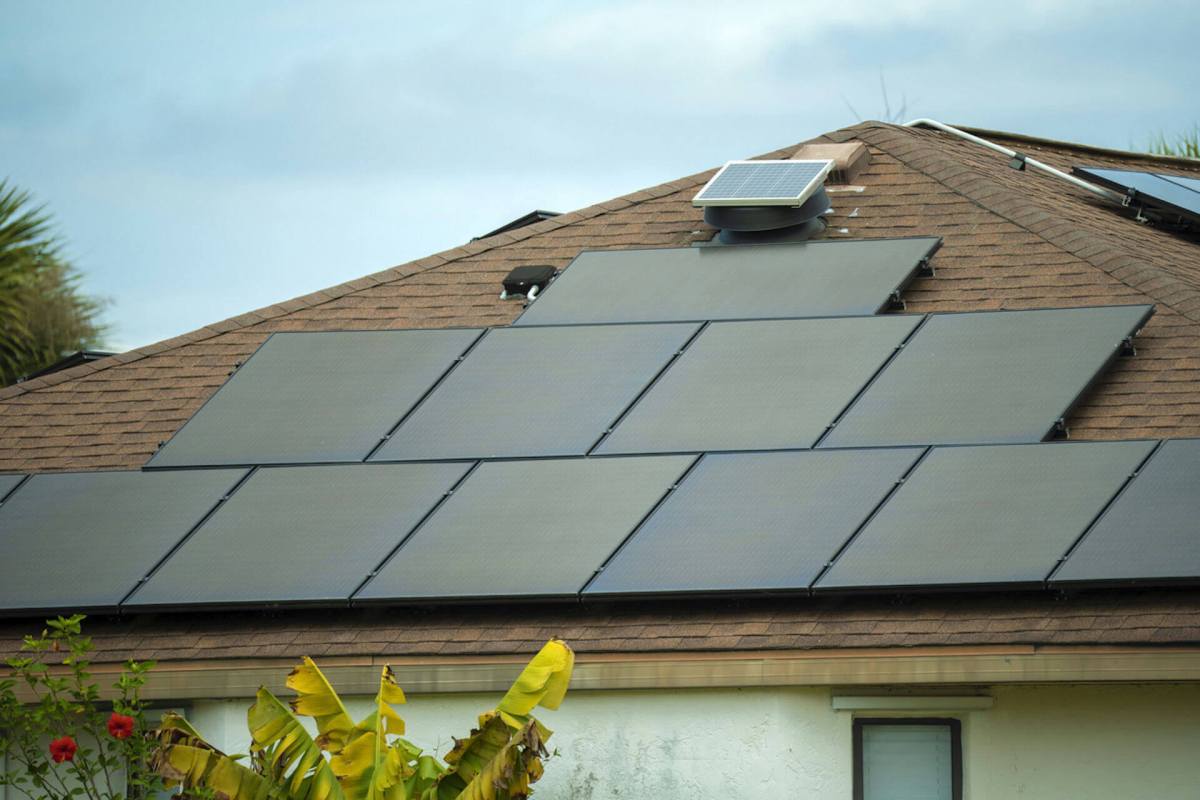

One commenter advised the OP to continue using the existing solar until it stops working.
"Just keep trucking until it fails, and if it does, the money you saved on the battery probably covers whatever fix you need," they said.
For a home with rare outages and a modest electric bill, commenters said a battery may not make financial sense.
People in the thread instead pointed to practical ways to figure out what equipment is in place and how it is performing. Suggestions included checking for a gateway or combiner box, looking up city permit paperwork, and asking the utility which inverter model is listed for the system.
"Find an O&M company," recommended one. "O&M guys fix installer messes."
Adding battery storage to a solar setup is one of the best ways to protect your home during outages, save money on energy, and go off-grid. Homeowners who do want backup power can explore EnergySage for information about home battery storage options, including competitive installation estimates.
For anyone comparing solar options more broadly, EnergySage's solar map shows the average cost of a home solar panel system by state, along with details on solar panel incentives in each state. Together, those resources can help homeowners get the best price for rooftop solar panels and access available incentives. EnergySage can be especially useful on the cost side: With EnergySage's help, the average person can save up to $10,000 on solar purchases and installations.
By the end of the discussion, the homeowner said the responses had given them a clearer idea of the appropriate next step.
"Thanks for all the super helpful responses!" the OP wrote in an update. "I learned a lot already and have a much more practical idea of what to do, no battery for me, going to work on figuring out the manufacturer and go from there to reinstate a monitoring system."
Where can I learn more?
• In North Carolina, a homesteader discovered the solar meter failed only after a repair crew arrived.
• In South Carolina, a $150 bill said 900 kWh came from the grid.
• A homeowner found a simple cleaning hack dramatically boosted rooftop panel performance.
• A weary homeowner sought advice after customer service horror stories raised new fears about solar installers.
• In Ohio, a homeowner learned net metering may leave half the electric bill untouched.

Get TCD's free newsletters for easy tips, smart advice, and a chance to earn $5,000 toward home upgrades. To see more stories like this one, change your Google preferences here.






