


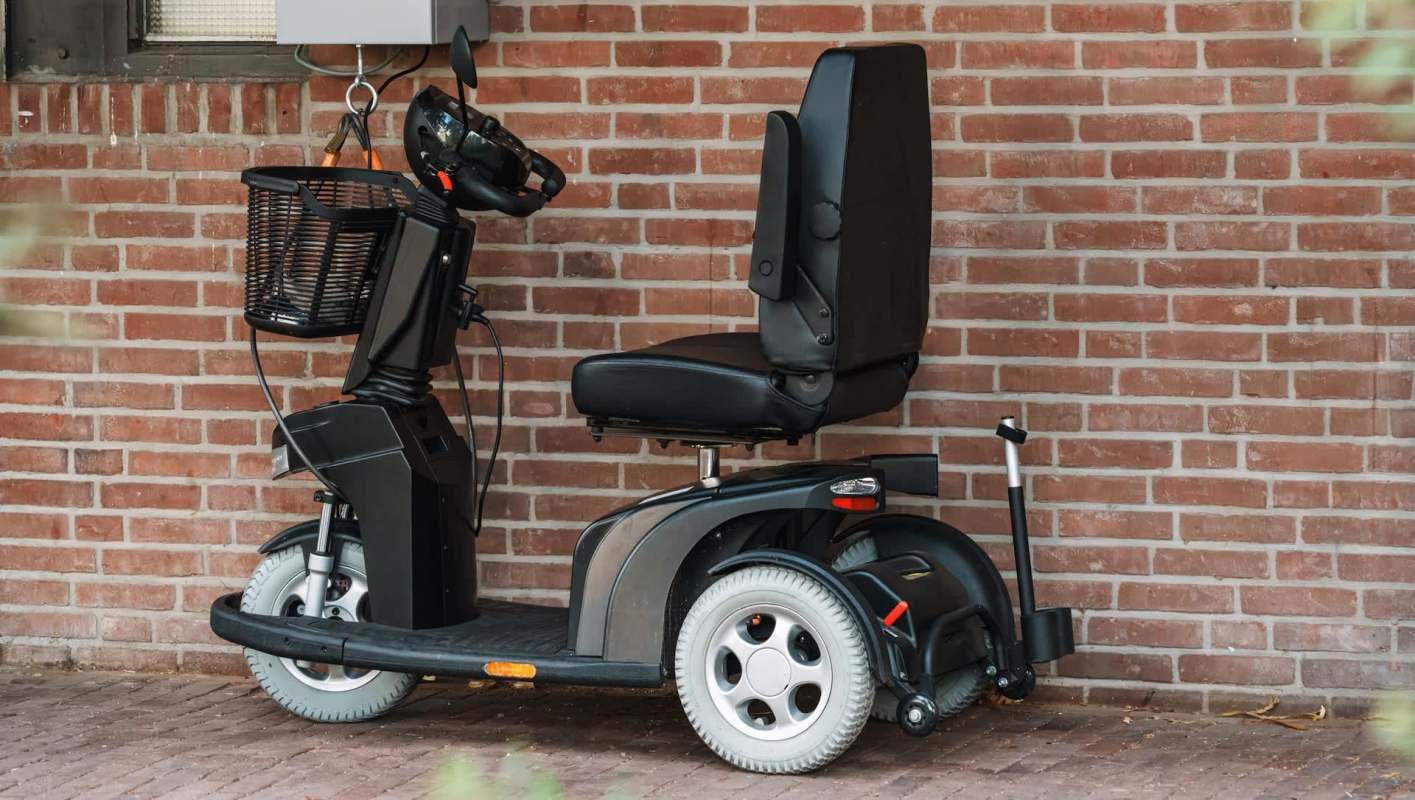
A wheelchair user asked whether a modest rooftop solar setup could reliably recharge electric wheelchair batteries each day.
In a discussion on Reddit, Redditors suggested the answer could be smaller than a full-scale home solar project. Roughly 400 watts might cover about one battery charge per day, depending on the panel's location and how it's set up.
Here's what to know
The OP said, "I use an electric wheelchair to get around it has a larger Group 24 (12V, ~70–100Ah) battery in it. In fact, I have several chairs."
They added that one chair would "likely be plugged into this panel all day every day" and asked what panel size would make the most sense.
One response said the answer was more involved than simply buying a panel and plugging it in.
"You'd probably be just fine with something like the Anker S2000," the Reddit user explained. "Solar panels produce DC electricity, and your wheelchair almost certainly expects AC to charge. So you'd need an inverter to convert from DC to AC."
For output, another person estimated, "A 400w panel will probably only charge one battery a day (like 1.2kwh) depending on season after conversion losses, shading, suboptimal angles, etc."
"Charging one battery a day would be just fine," the OP replied.
Save $10,000 on solar panels without even sharing your phone number Want to go solar but not sure who to trust? EnergySage has your back with free and transparent quotes from fully vetted providers that can help you save as much as $10k on installation. To get started, just answer a few questions about your home — no phone number required. Within a day or two, EnergySage will email you the best local options for your needs, and their expert advisers can help you compare quotes and pick a winner. |

For homeowners, going solar is one of the best ways to save money on home energy. If a roof-mounted setup is on the table, try EnergySage to get free solar installation estimates and compare quotes.
More background
The OP added, "I'm not worried about the break-even really I just like the convenience as well as the insurance against massively raising electric rates and/or Power disruptions."
Replies also weighed ease of use against longevity.
One Reddit user noted that ready-made packages "are expensive for what you are getting, but you are paying for the convenience and having an off the shelf solution."
More From EnergySage
💡Go deep on the latest news and trends shaping the residential solar landscape

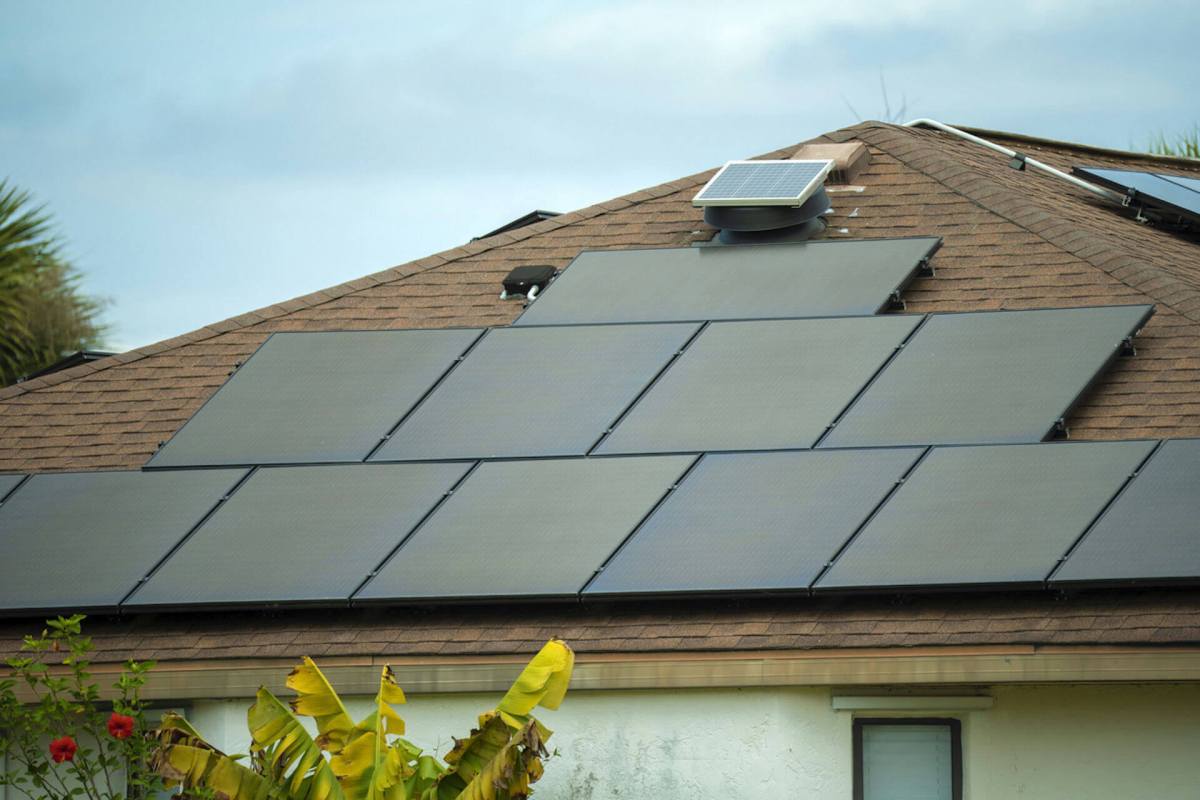


Another person suggested using a standalone battery unit with rigid panels that could last longer than a portable folding panel.
What can be done?
"For more clarity, I recommend using the PVWatts Calculator given your location and desired panel positioning/angle to estimate your power generation with a 400w panel," a commenter recommended. "If you're way north or have suboptimal position your generation may suffer. Better to play in a calculator and see before dropping a grand on electrical equipment!"
Adding battery storage to a solar setup is one of the best ways to protect your home during outages, save money on energy, and go off grid. Homeowners can explore EnergySage for information about home battery storage options, including competitive installation estimates.
For anyone thinking bigger than a single charging station, EnergySage's solar map shows the average cost of a home solar panel system and available incentives in each state. These resources can help homeowners get the best price for rooftop solar panels and access available incentives. With EnergySage's help, the average person can save up to $10,000 on solar purchases and installations.
Where can I learn more?
Smaller-scale solar setups can help with everyday charging and backup power.
• One homeowner used 900 watts of portable panels to cover daily EV charging.
• More households are turning to portable solar panels when rooftop installation feels out of reach.
• Anker says that's enough power for many RVers to stay charged on the road.
• In Germany, plug-in solar panels are expanding access beyond traditional rooftops.

Get TCD's free newsletters for easy tips, smart advice, and a chance to earn $5,000 toward home upgrades. To see more stories like this one, change your Google preferences here.






