


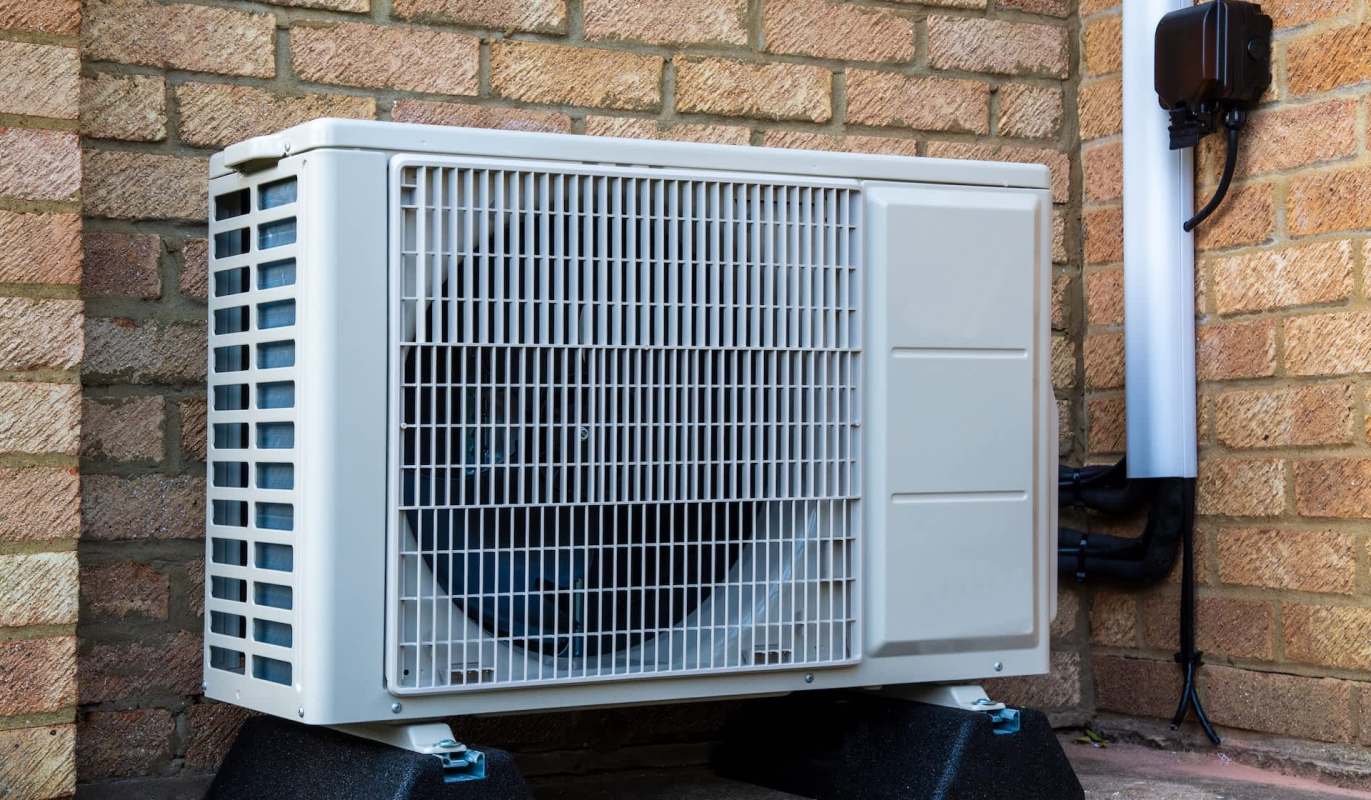
A £23,000 home heating upgrade should provide peace of mind. For one Colchester homeowner, it seems to have done the opposite.
As part of replacing his home's heating system, Andrei paid for a heat pump setup, 18 new radiators, a water softener, and other upgrades. He is still trying to answer a basic question: whether it is functioning properly.
Here's what to know
According to Skill Builder in a YouTube video, the disagreement stretched across a 19-day breakdown, a Section 75 claim, and a large archive of performance data. The issue is that the system's electricity use landed close to the original design estimate, while the amount of heat it delivered came in much lower.
The financial appeal of a heat pump often depends on efficiency. A strong seasonal performance figure can suggest lower running costs over time, along with cleaner home heating, but those benefits become harder to verify if the heat output was never independently measured.
More background
Rather than questioning heat pumps as a technology, the video focuses on how systems are designed, commissioned, and explained to the people paying for them.
The video said, "The technology works. The difficulty is designing, installing, commissioning and measuring it in a real house, and then explaining it to the person paying for it."
TCD Picks » Quince Spotlight
💡These best-sellers from Quince deliver affordable, sustainable luxury for all




One user in the comments said, "We had some of those 'designer' radiators but even Octopus insisted that they changed them due to poor performance when installing our system. They aren't great with high boiler temperatures never mind with lower flow temperatures."
Another issue raised in the video is that official paperwork may not match day-to-day results. The MCS SCOP number is a modeled estimate for space heating only, and since hot water usually operates less efficiently, the overall performance homeowners experience can end up lower than they expected.
What can be done?
For anyone planning a similar project, Skill Builder recommends starting with the underlying calculations: ask for the room-by-room heat loss figures and the radiator schedule, then verify that each radiator can meet that room's requirement at the flow temperature the system will actually run at rather than at a higher catalog test condition.
Homeowners may also want to clarify how hot water production will affect total efficiency, because the blended real-world result can come in below the number shown on the certificate. Paying at least part of a large installation by credit card may also help preserve a Section 75 option if problems arise.
Power consumption by itself cannot resolve a performance dispute.
The video noted, "Without a heat meter measuring what comes out, there is no way to prove how well a system is really performing."
Where can I learn more?
For more on the questions that can surface after a big heat pump purchase, these articles cover messy installations, uncertain savings, and the efficiency claims behind those decisions.
• In the UK, one homeowner chased a 400%-efficient heat pump and hit installation snags.
• Across the U.S., 9 in 10 households may be missing major heat-pump savings.
• Many households find that 5 times more efficient heating can sharply cut long-term bills.

Get TCD's free newsletters for easy tips, smart advice, and a chance to earn $5,000 toward home upgrades. To see more stories like this one, change your Google preferences here.






