


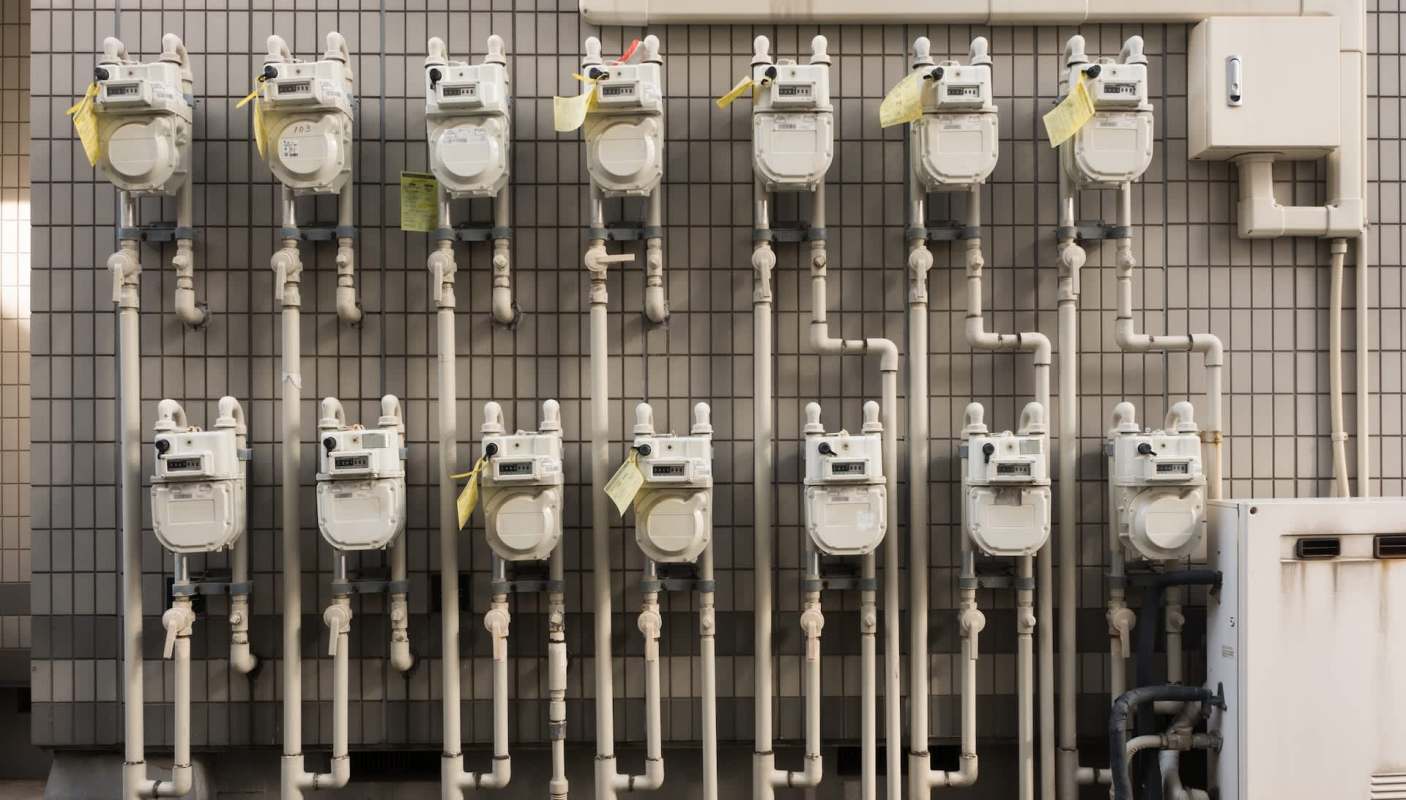
Could a Massachusetts neighborhood decide to go electric and leave the last gas customers on the block without service?
That is the fight brewing over a short provision in the state's energy bill, which business groups say could open the door to costly forced conversions while supporters say it would help communities stop paying for gas pipes that serve only a few remaining holdouts.
Here's what to know
According to The Boston Globe, the 170-page Senate bill contains language that would let utilities end gas service in a neighborhood after most customers there have switched to electric heat.
In effect, that would relax the state's long-standing "obligation to serve" rule, which has usually prevented utilities from cutting off existing gas customers unless those customers consent.
That language has become a key battleground in House-Senate negotiations. Rep. Mark Cusack's House bill would scale back the Mass Save home-efficiency program, while Sen. Mike Barrett's Senate version would wind down the gas-pipe replacement program known as GSEP.
The provision is also part of the broader affordability fight. Businesses opposed to the Senate language say customers could end up paying for expensive equipment changes without any assurance that lower monthly energy bills would offset the cost.
TCD Picks » Quince Spotlight
💡These best-sellers from Quince deliver affordable, sustainable luxury for all




The issue is headed through a conference committee, where lawmakers must merge the competing Cusack and Barrett energy bills. The gas-service provision is one of the biggest flashpoints, though not the only one.
Where can I learn more?
Here are a few stories that put the Massachusetts debate in broader context as states and communities rethink gas infrastructure. They cover fights over gas lines and heating policy in Massachusetts, along with other state battles over regulation, siting, and energy access.
• In Massachusetts, utilities kept pouring millions into gas lines after communities went fossil-fuel-free.
• In Washington, senators moved to block federal methane rules despite pollution concerns.
• In Michigan, lawmakers sought a rollback of local zoning for renewable development.
• In Texas, legislators pushed a bill threatening renewable growth across the state's power market.

Get TCD's free newsletters for easy tips, smart advice, and a chance to earn $5,000 toward home upgrades. To see more stories like this one, change your Google preferences here.






