


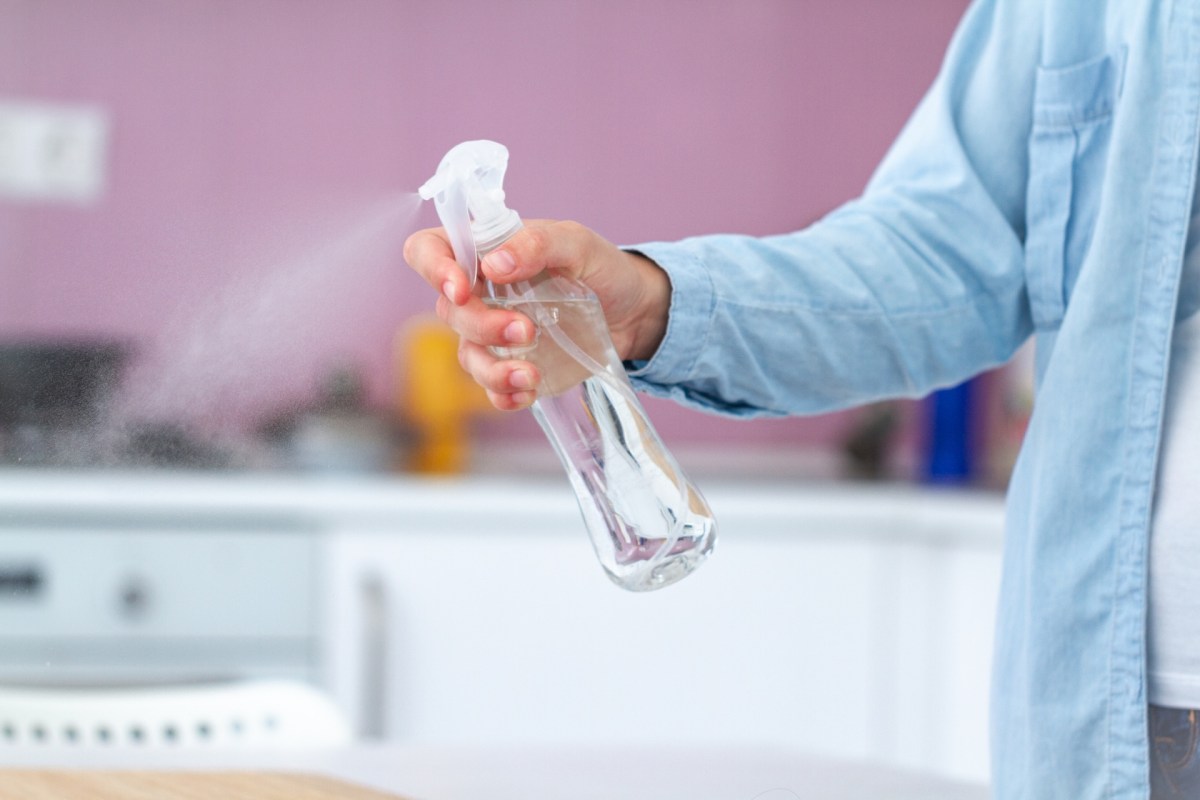
For plenty of home cleaners, a spray bottle filled with a homemade cleaning solution can feel like a no-brainer. It's cheap, simple, and typically made from products already sitting under the sink. The catch, though, is that a homemade cleaner can do less than people think.
In a Reddit thread, one parent asked whether a vinegar-and-soap mix was still a smart all-purpose option or more of a hack that weakens both ingredients.
Here's what to know
The poster wrote that the mix — vinegar, water, and a little Dawn dish soap — had been used on counters, vinyl floors, and the microwave, then asked: "If it's effective, is there any harm I'm doing by using it? Can someone break that down for me?"
Several replies said the blend is not especially dangerous on its own, but may be less effective than people assume. One chemistry-focused commenter wrote, "Soaps and detergents typically have optimal pH levels. If you make it too acidic, then you may disturb the surfactant system, among other pH dependent components, which will impact the degreasing power of the detergent."
The same commenter added, "Is it harmful? No, not really barring putting it on incompatible surfaces."
Even so, not everyone in the thread thought the mix was a bad idea across the board. "I use 1:1 Vinegar and Dawn for my shower and it cleans like an infomercial," one commenter wrote, while another argued that vinegar and soap can work against each other, making the mixture "worse at both jobs."
TCD Picks » Quince Spotlight
💡These best-sellers from Quince deliver affordable, sustainable luxury for all




For a tub, though, the combination may actually work well, since plain vinegar is watery and can run off vertical tub tiles or glass and plastic walls immediately. Dawn thickens the mixture, forcing the acid to stick to vertical surfaces longer to dissolve deposits, so while there may be some counteracting of the acidic and basic properties, the combination has some value in certain situations.
More background
The poster also explained that "now that I have a baby and am more careful about what I clean with, it still seems like a solid option."
People were especially cautious about where the spray gets used. One commenter cautioned, "If you have any marble surfaces in the home, acids like vinegar and citric acid can etch/corrode the marble." Another commenter also noted that vinegar "isn't great for some surfaces," even if it seems to work fine elsewhere.
A cleaner that works well in a shower may not be the best everyday spray for counters, stone, or anything that needs a thorough rinse. One commenter also pointed out that Dawn can leave behind residue if it is not rinsed away well, which can become frustrating on frequently touched surfaces.
What can be done?
The advice from the thread was fairly simple: Match the cleaner to the task.
Rather than treating the mixture as an all-purpose cleaner, the thread's takeaway was to use each ingredient for its stronger role. Vinegar can help with mineral buildup and descaling, while dish soap is better suited to cutting grease.
Mixing them may still leave surfaces looking cleaner, but it can also weaken the strength of each. Some mentioned using dish soap first, then following up with the vinegar-and-water mix. That way, they still interact and get that foaming action going while also taking advantage of the more gel-like dish soap's properties to cling to surfaces, but the process gives each one a little more time to shine on its own by the end as well.
If you want low-cost alternatives to mainstream cleaners, that does not mean giving up on homemade options altogether. It simply means being more deliberate about when to use what and avoiding acid-sensitive materials such as marble.
Where can I learn more?
If you're comparing a homemade spray with other low-cost cleaning options or natural cleaning products, these stories break down what a few simple ingredients can actually handle.
• A simple non-toxic all-purpose cleaner made with lemon peels gave one sustainability expert a cheaper standby.
• For some households, Dr. Bronner's and baking soda became a stripped-down system for everyday messes.
• In the bathroom, hydrogen peroxide handled the job without relying on a complicated mix.
• In the kitchen, a three-ingredient dishwasher detergent gave homemade cleaning another low-cost option.

Get TCD's free newsletters for easy tips, smart advice, and a chance to earn $5,000 toward home upgrades. To see more stories like this one, change your Google preferences here.






