


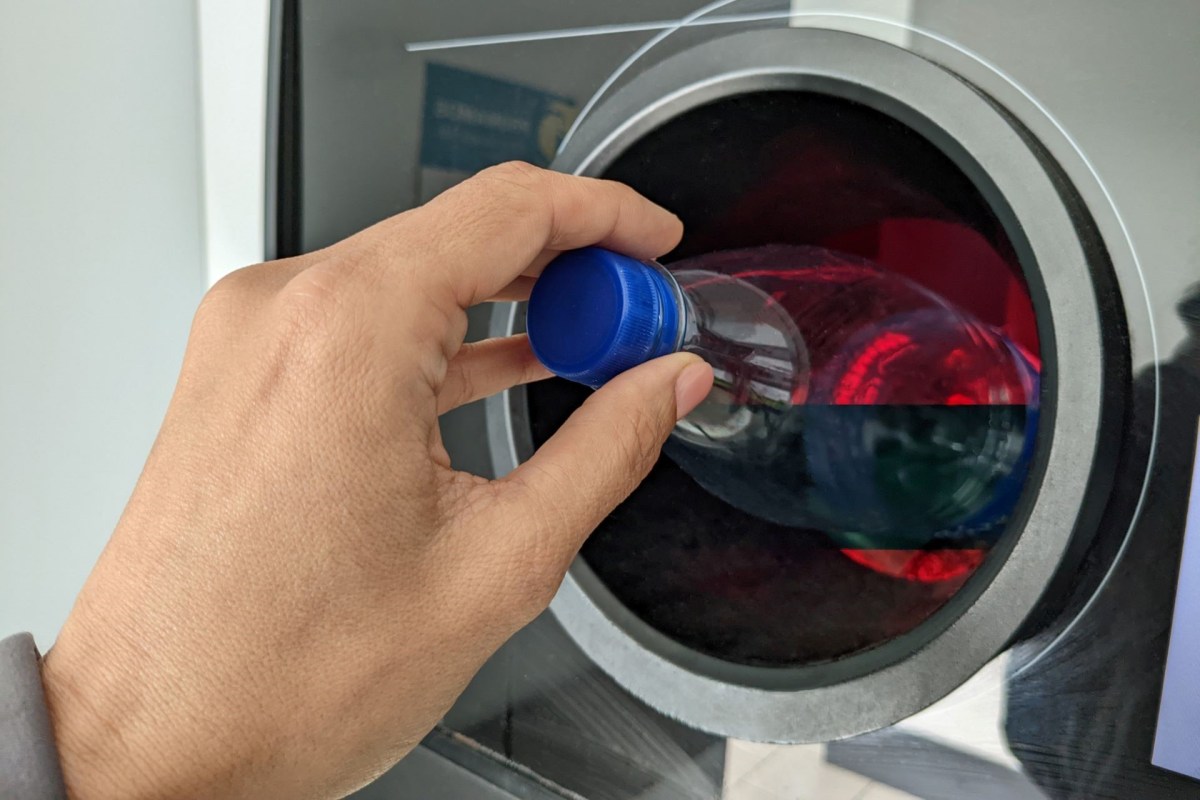
Singapore has implemented a new return program for beverage containers that is rewarding residents for recycling bottles and cans.
The Straits Times found a mixed early response, with signs the system is beginning to catch on.
By the first day the system was in effect, shelves mostly showed the required markings and return machines were already drawing shoppers carrying bags of used bottles and cans.
Here's what to know
After months of transition delays, the scheme came fully into force on Oct. 1.
The program covers plastic bottles and cans ranging from 5.1 fluid ounces (150 ml) to 101.4 fluid ounces (three liters).
Those drinks must carry the Return Right logo and barcode. Shoppers pay a 10-cent deposit that is refunded when they return the empty container to a reverse vending machine.
TCD Picks » Quince Spotlight
💡These best-sellers from Quince deliver affordable, sustainable luxury for all




Finance worker Cedric Kuo, 29, told The Straits Times the process has been easier than he expected, matching early signs that shoppers are already using the system.
"I initially thought that keeping the bottles and cans will be troublesome, but after trying it out, I realised that it's actually quite convenient and I can make a few dollars from it, especially because I always buy cartons of drinks," he said.
In an update on Oct. 1, the National Environment Agency said the scheme had collected more than 48 million beverage containers by Sept. 27, meaning more than 823 metric tons (907 U.S. tons) of material avoided incineration.
More background
Some users reported problems locating the machines, spotting the logos, and dealing with rejected containers or full bins. Retiree Thomas Ng, 60, said simply finding a machine could be frustrating.
"The first time I came here to deposit my drinks, it was so hard to find the machine as it was hidden inside the supermarket. Even now, I would forget where it is sometimes and have to look for it again, which is very troublesome."
"It would be good if they can put the machines at the entrance where everyone can see," Ng added.
Lab researcher Ong Pei Xuan, 28, said her area did not have enough machines and that she had found bins full. HVAC engineer Foo Kai Teck, 58, wanted machines that could accept slightly dented cans.
As of Oct. 1, supplying regulated beverages without the required deposit mark and barcode is an offense under the Resource Sustainability Act, punishable by a fine of up to $10,000 and up to three months in jail.
That deadline was especially difficult for smaller retailers that were still trying to move older inventory.
What's being done?
To reduce some of that pressure, the NEA gave small retailers until Oct. 31 to finish clearing non-compliant drinks.
By noon on Sept. 30, the agency had received about 2,700 applications for that extension, mostly from provision shops, local convenience outlets, and independent food shops, according to The Straits Times.
The agency approved around 90% of the 2,300 applications it processed.
Shops not granted the grace period were instructed not to supply non-compliant drinks and told they could take steps such as affixing BCRS stickers or donating the stock to non-profit organizations.
But some small-business owners said an extra month may not be enough if suppliers keep favoring big chains.
"They give priority to big shops who order in bulk. When smaller shops like us order, they say they have no stock," said Vaigai Minimart director Aakash.
Where can I learn more?
Programs like Singapore's have been changing recycling habits elsewhere, too. These stories cover container refund programs and other efforts to cut waste from drinks and shopping.
• In Tasmania, Australia, residents returned over 1 million cans within four days of launch.
• Across Australia, officials expanded a cash-back bottle program that rewards grocery shoppers.
• ShopRite and TerraCycle launched an easier way to recycle plastic-film packaging in stores.

Get TCD's free newsletters for easy tips, smart advice, and a chance to earn $5,000 toward home upgrades. To see more stories like this one, change your Google preferences here.






