


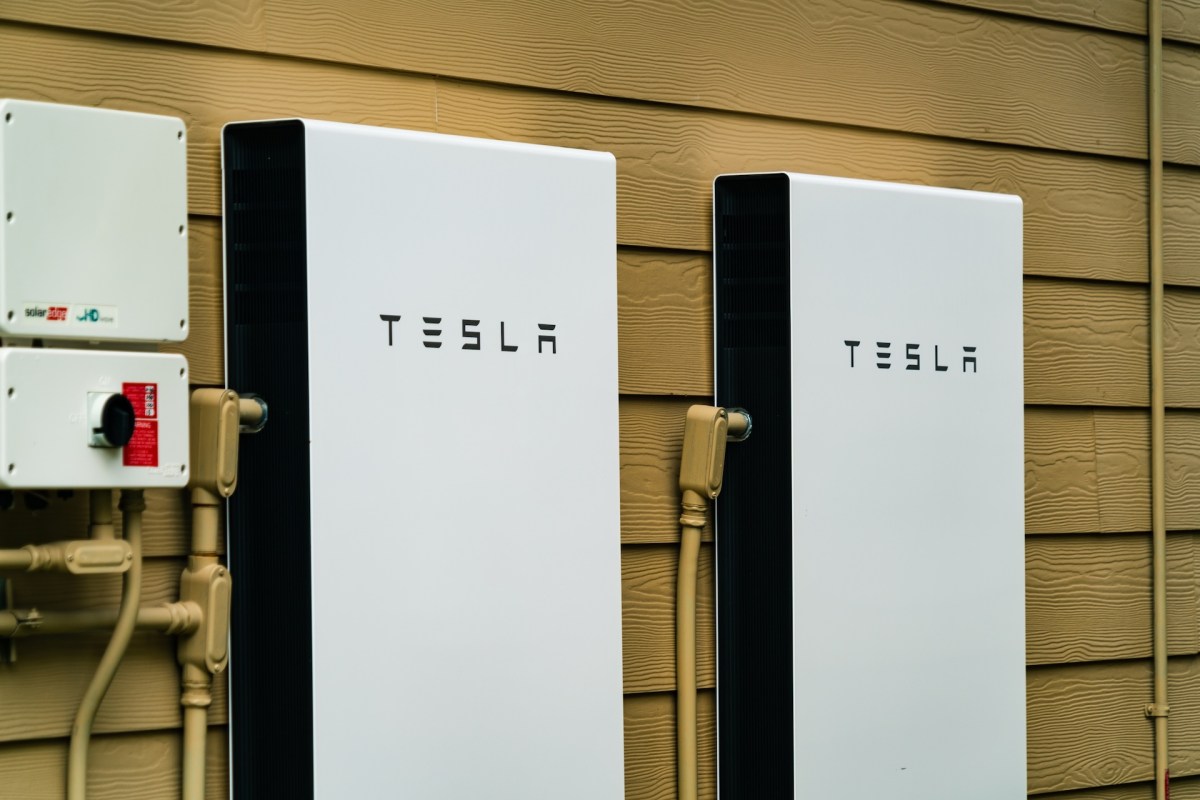
On a sunny day that seemed likely to produce a credit, one rooftop solar owner instead saw conflicting totals. Tesla and Netzero showed -29 kWh, but the utility logged 37 kWh of usage and said billing would be based on its meter.
For households counting on solar panels and battery storage to shrink electric costs, a gap like that can turn a good production day into a billing dispute.
Here's what to know
"Can you dispute a power bill?" the solar panel owner asked in a Reddit post to r/TeslaSolar.
When sharing the kWh discrepancy, they said, "Has anyone experienced this? Sunny day, pw3 was working fine. Makes no sense."
Commenters largely said the utility's own equipment will almost always control the bill, even if other devices report something else. As one commenter put it, "You can certainly try, but there's just no chance that the utility is gonna say 'oh yeah we're definitely gonna give you money back based on your reading from third-party equipment that we have no way to be able to verify over our own first party equipment'."
A few people argued the conflict could come from different accounting methods rather than a bad bill. One commenter suggested, "[It's] possible the difference is gross vs. net, or whatever you want to call it," which would mean the utility is listing power taken from the grid while the app is showing the net result after exported solar energy is backed out.
Going solar remains one of the best ways to save money on home energy, but shopping carefully before committing matters. Homeowners can try EnergySage to get free solar installation estimates and compare quotes before committing.
More background
Utility statements and solar apps may not be reporting the same thing. One can focus on incoming grid power, while the other highlights the balance after exports, making both totals look far apart even when neither system has failed.
Save $10,000 on solar panels without even sharing your phone number Want to go solar but not sure who to trust? EnergySage has your back with free and transparent quotes from fully vetted providers that can help you save as much as $10k on installation. To get started, just answer a few questions about your home — no phone number required. Within a day or two, EnergySage will email you the best local options for your needs, and their expert advisers can help you compare quotes and pick a winner. |

The discussion also covered the meter itself. If the home lacks a proper bidirectional meter, electricity sent back to the grid could be tallied incorrectly, reducing or wiping out the credit a homeowner expects from a high-production day.
Some commenters pointed to another source of confusion in battery-equipped homes: not every circuit may pass through the gateway Tesla tracks. As one commenter explained, "Tesla doesn't know about electricity not going through its systems." So if something big like air conditioning is drawing power outside that path, the app could miss part of the home's actual grid use.
With EnergySage's help, the average person can save up to $10,000 on solar purchases and installations. EnergySage's solar map shows the average cost of a home solar panel system by state, along with details on solar panel incentives for each state, which can help homeowners get the best price for rooftop solar panels and access available incentives.
What can be done?
A good first step is to line up categories instead of comparing a single net number with the bill: Check the app's "used" and "export" readings against the utility's hourly or daily data. If the gap keeps showing up, ask for a meter inspection and find out whether your monitoring setup covers the whole house or only the circuits that run through the gateway.
More From EnergySage
💡Go deep on the latest news and trends shaping the residential solar landscape

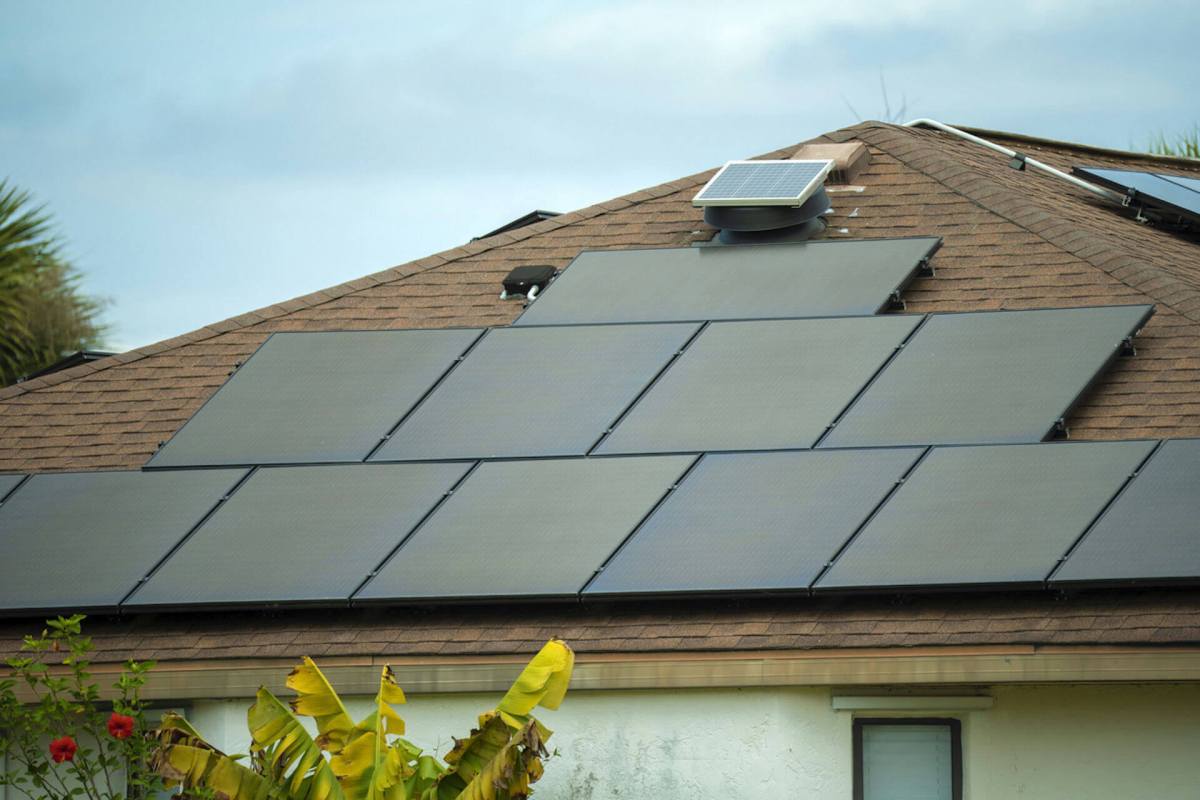

Battery storage can also make a big difference. Adding battery storage to a solar setup is one of the best ways to protect your home during outages, save money on energy, and go off-grid. Homeowners interested in that option can explore EnergySage for information about home battery storage options, including competitive installation estimates.
The original poster wrote, "Each day it's slightly off. I don't mind that but on a day that I should get a 29kw credit? Has to make sense." If that pattern continues, the most useful comparison may be a line-by-line look at imports and exports — while keeping one commenter's warning in mind: "You can dispute anything you want. Whether they will listen is another question."

Get TCD's free newsletters for easy tips, smart advice, and a chance to earn $5,000 toward home upgrades. To see more stories like this one, change your Google preferences here.






