


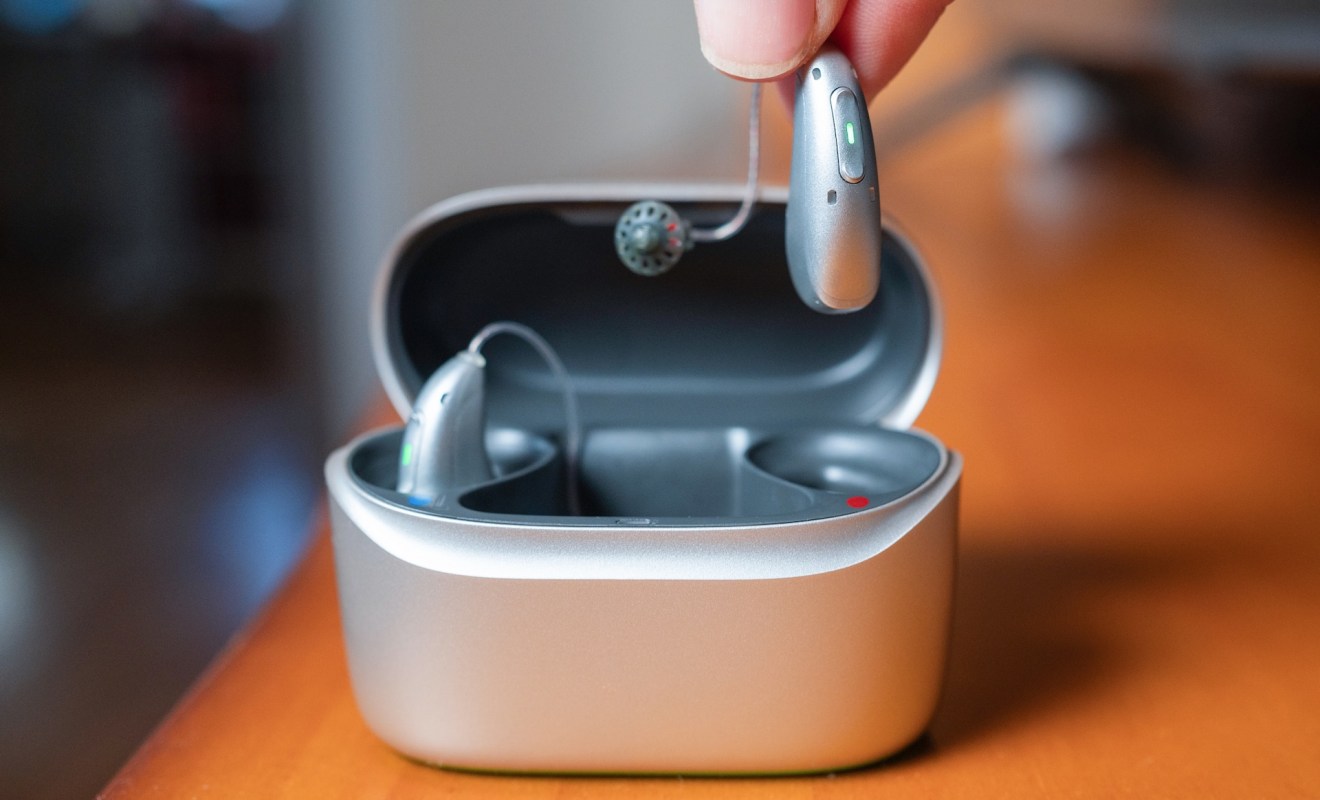
When a battery gives out, many consumers are left wondering why the rest of a perfectly functional device has to go with it.
That frustration is driving renewed attention to replaceable-battery rules in Europe, as visitors on the r/BuyItForLife subreddit argued that sealed electronics are prematurely turning speakers, earbuds, phones, and other gadgets into expensive waste.
Here's what to know
In a discussion on Reddit, the original poster argued that "non-replaceable batteries in electronics have completely ruined modern consumer hardware."
There was loud agreement from commenters.
"That is true, because the entire device lasts as long as the battery does," one wrote. "But that is the intention. If not that then the same will be achieved through software".
The replies backed up that concern with examples from people's own devices. One commenter said a Bluetooth speaker still sounded great, but became useless once it would no longer hold a charge. They added that opening it was "basically destroying the casing, all glued shut" and that it "feels like buying something designed for the trash from day one."
TCD Picks » Quince Spotlight
💡These best-sellers from Quince deliver affordable, sustainable luxury for all




Price was another part of the complaint. A commenter said a Samsung Galaxy Buds charging case was ruined by a swollen battery, and that replacing the case alone cost almost as much as buying a new set.
When repair pricing lands that close to replacement, consumers can end up discarding products that still partially function.
"It should be illegal because it's extremely wasteful," a commenter declared.
More background
Batteries are often the first major component to fail in small electronics, especially in products used every day and charged constantly. When that battery is glued in, unsupported, or too expensive to replace, it increases turnover for products that already require mining, manufacturing, packaging, and shipping.
Europe was a recurring reference point in the thread, with multiple commenters mentioning EU rules they said would widen user-replaceable battery requirements across consumer electronics.
"They're making it illegal in the EU, but unfortunately with a bunch of caveats," a commenter wrote.
A user elaborated on that point.
"With Smartphones and stuff there will be loopholes: the battery must be ensured to have 80% capacity after 1000 cycles," they wrote. "So for the average User on a phone this means 3 years of life."
What's being done
Even with the limitations, Europe's moves drew praise from commenters, who thought it should apply elsewhere.
"The U.S. should have passed analogous laws years ago," a user argued.
A commenter blamed "legislatures' corporate sponsors" for stifling any such moves. Without the protections in America, some users admitted they changed up their buying strategy completely.
"It's forcing me to just buy the lowest quality tech knowing that I'll replace it in a few years," one admitted.
Where can I learn more?
Battery failures are only part of the problem. Company policies and product design can also determine how much e-waste gets created.
• Razer required a customer to destroy his broken mouse before honoring a warranty claim.
• An overbuilt disposable vape packed a touch screen and battery into pure trash.

Get TCD's free newsletters for easy tips, smart advice, and a chance to earn $5,000 toward home upgrades. To see more stories like this one, change your Google preferences here.






