


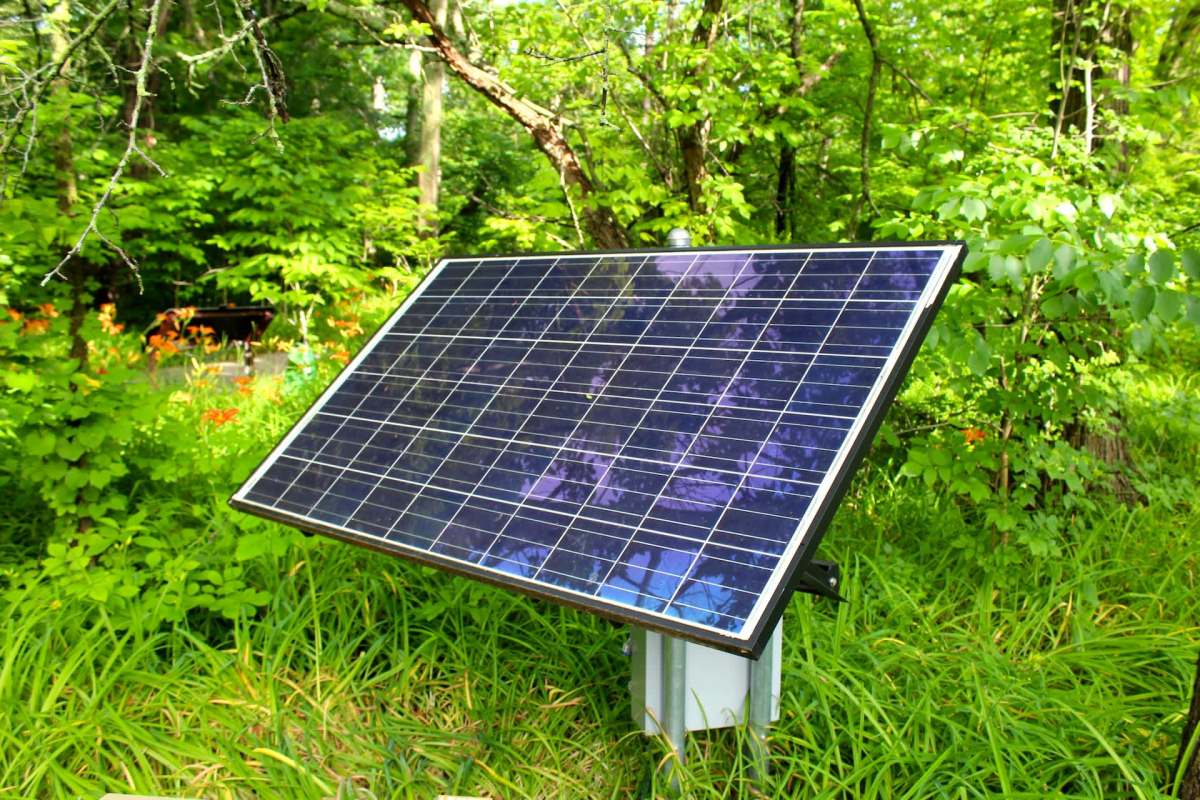
For people trying to power a remote cabin, the big question is simple: Can a DIY solar setup actually replace the noisy, fuel-burning backup generator that so many off-grid properties still depend on?
One cabin owner in northern Ontario suggests the answer can be yes — even in a place where winter cold, tree cover, and battery storage complicate the equation.
Here's what to know
After "perfecting the system slowly over the last few years," the OP said on Reddit that the cabin now runs with 1,920 watts of panels, a combo inverter charge controller configured for generator backup, and two 200-amp-hour 24-volt LiFePO4 batteries wired in parallel.
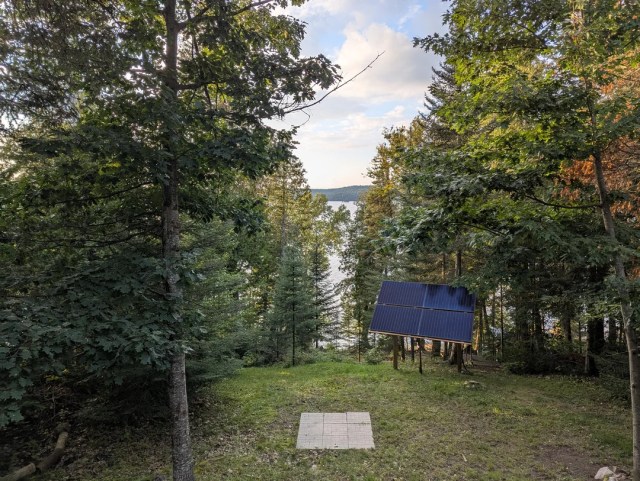
The standout detail was this: "I had thought of looking for an auto start generator, but I haven't needed to fire the generator since I fired the system up."
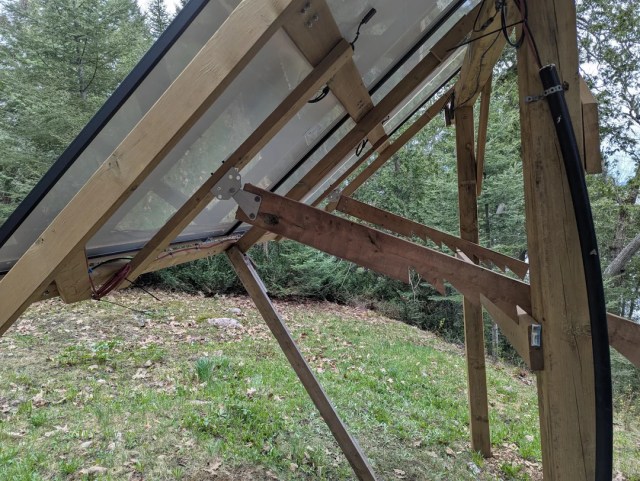
They also built a cabinet to house the batteries and other equipment. The rack itself uses buried pressure-treated 6x6s, and the owner added "2x6 with teeth" so one person can adjust the panels more easily before fastening them down for security.
Other off-grid cabin owners were quick to note that generation is only part of the challenge.
One user warned that northern properties can be rough on equipment: "When I see those panels plus trees, it reminds me four years ago when a tree fell on the panels and took out two of them."
Going solar is one of the best ways to save money on home energy, especially for households looking to cut fuel use or avoid high electric bills. If you're considering it, EnergySage lets you get free solar installation estimates and compare quotes.
Save $10,000 on solar panels without even sharing your phone number Want to go solar but not sure who to trust? EnergySage has your back with free and transparent quotes from fully vetted providers that can help you save as much as $10k on installation. To get started, just answer a few questions about your home — no phone number required. Within a day or two, EnergySage will email you the best local options for your needs, and their expert advisers can help you compare quotes and pick a winner. |

More background
When another user asked how the cabin handles winter with LiFePO4 batteries, the OP explained: "We take the batteries home every Thanksgiving (Canadian Thanksgiving) so next weekend. If we go up in the winter it is gas lights and wood stove."
A solar-plus-battery setup can slash generator runtime and fuel costs, but cold-weather storage and charging limitations still take planning, especially in places with long winters and unheated buildings.
Users also raised issues that can make or break output, from shade to electrical safety.
One user said, "Shading 5% of a solar panel can cut output by as much as 50%. Just FYI, if you aren't getting the output you expect, do a little tree trimming."
More From EnergySage
💡Go deep on the latest news and trends shaping the residential solar landscape

The OP acknowledged that some cleanup remains on the installation: "The lack of armoured cable or conduit I assume? It's on the list to tidy up as this becomes a more permanent solution."
A smart shunt battery monitor appears to be the most likely next upgrade, since the cabin owner said the SRNE inverter/charger "seems to have no clue what it's dealing with charge wise." They also suggested that ditching the propane fridge could increase electrical demand enough to change how often backup power is needed.
That's also where comparison tools can pay off. With EnergySage's help, the average person can save up to $10,000 on solar purchases and installations. And EnergySage's solar map shows the average cost of a home solar panel system on a state-by-state level, along with details on solar panel incentives for each state, which together can help homeowners get the best price for rooftop solar panels and access available incentives.
Adding battery storage to a solar setup is one of the best ways to protect your home during outages, save money on energy, and go off-grid. If you want to compare options, EnergySage also offers information about home battery storage systems, including competitive installation estimates.
Where can I learn more?
Whether keeping your off-grid home powered or securing yourself from power outages, choosing a generator or batteries is an important decision. These stories look at what some homeowners are choosing.
• Homeowners are choosing solar-and-battery backup options that keep the lights on without fuel.
• Families are retiring gasoline units for safer home battery backups that avoid dangerous fumes.
• Winter outages are pushing homeowners toward backup solar systems with storage for steadier power.
• After Hurricane Beryl, experts warned that carbon monoxide generator risks can turn deadly fast.

Get TCD's free newsletters for easy tips, smart advice, and a chance to earn $5,000 toward home upgrades. To see more stories like this one, change your Google preferences here.






