


Replacing an old furnace should make a home safer and more efficient — not leave a homeowner wondering whether an open vent is letting cold air, pests, or even dangerous gases move the wrong way.
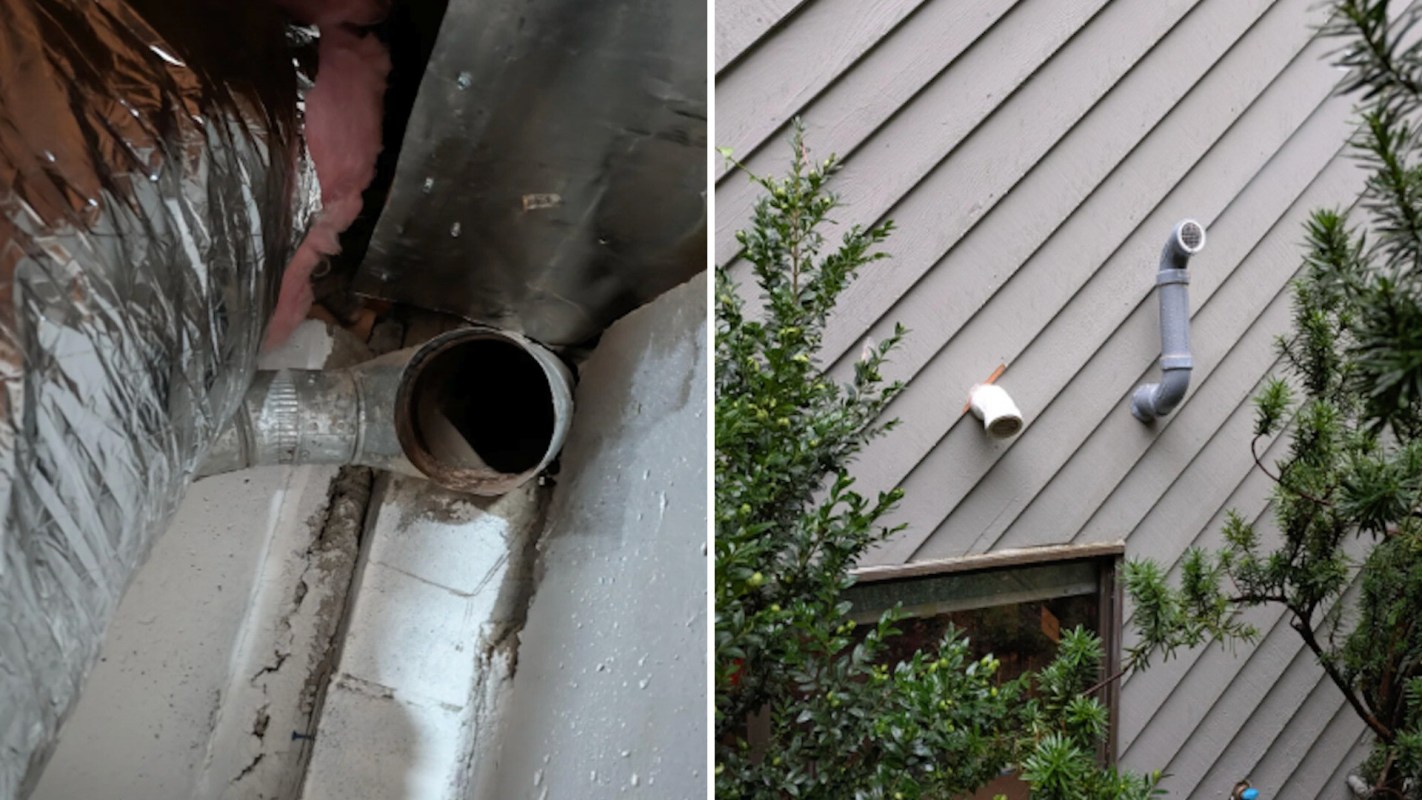
That was the concern raised in one homeowner's post after an old 80% furnace was replaced with a high-efficiency model that vents through new PVC pipes, while the gas water heater remained connected to the old chimney setup.
Here's what to know
After the installation, the homeowner said in a Reddit thread in r/hvacadvice that light was visible around the new PVC penetrations and that the former connection to the shared flue had been left unsealed.
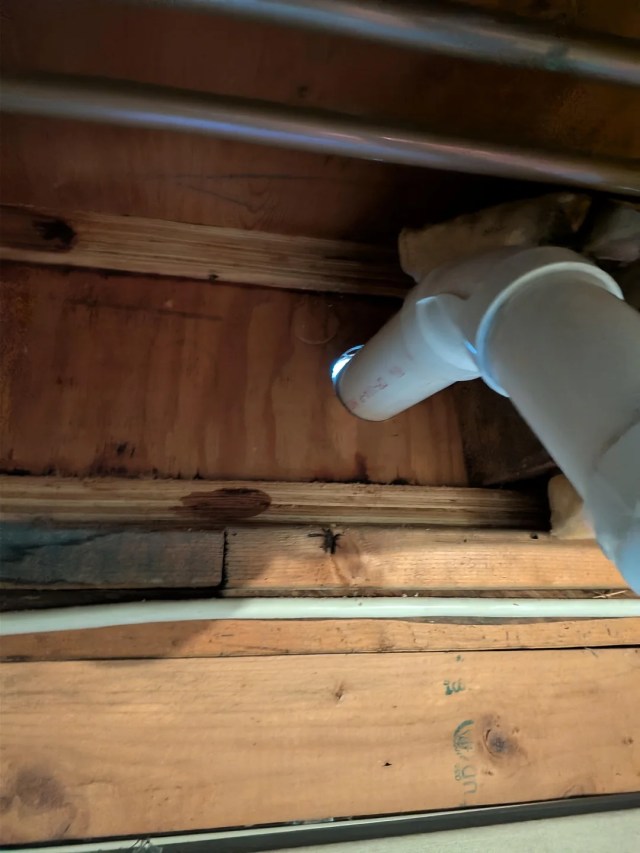
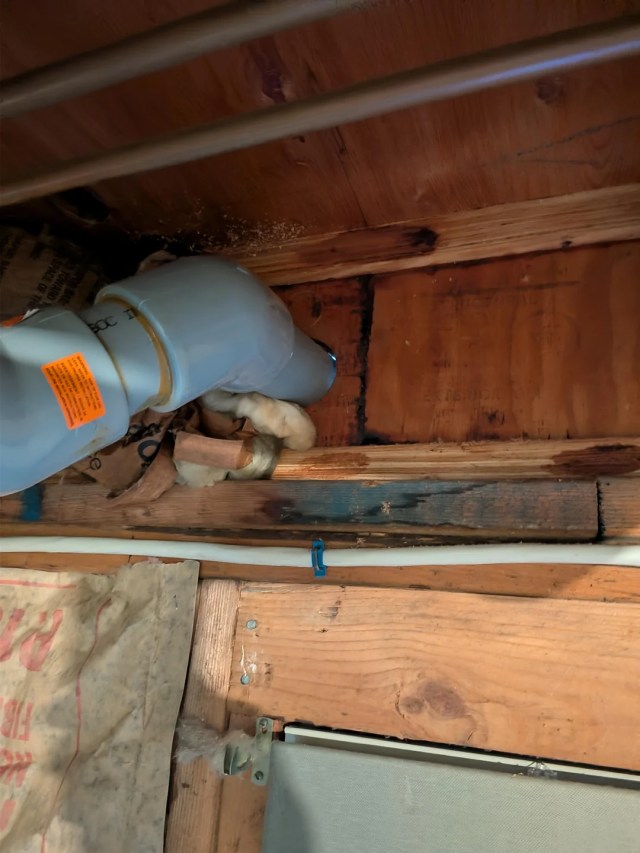
Most replies treated the open wye as a problem, not a normal part of the job.
One user said it was "poor workmanship not to caulk the new pipes where they exit the [siding] and downright dangerous to leave the butt end of the flue wye open," adding that it "either needs a draft damper or a cap depending on the flue design."
The OP agreed after receiving feedback, replying: "Idk why you got downvoted. Yea they should cap that. Maybe toss some caulk around the pvc as well."
One person also raised a separate code-related concern, telling the homeowner to look into local rules on "orphaned water heaters."
More background
An 80% furnace typically vents exhaust through a metal flue or chimney, while a high-efficiency furnace sends cooler exhaust through sealed PVC pipes.
Save $10,000 on solar panels without even sharing your phone number Want to go solar but not sure who to trust? EnergySage has your back with free and transparent quotes from fully vetted providers in your area. To get started, just answer a few questions about your home — no phone number required. Within a day or two, EnergySage will email you the best options for your needs, and their expert advisers can help you compare quotes and pick a winner. Solar panels can save you more than $50k over their 25-year lifespan, and EnergySage can help you save as much as $10k on installation. Which begs the question — isn't that worth an email or two? |

With the furnace removed from that shared vent, the water heater can end up connected to a chimney that was originally sized for more than the remaining appliance now needs.
One user explained, "Cap that for now. The real problem is the vent is now a lot bigger than it needs to be. You will have a lot of cold air coming down the chimney, or hot air going out. The easiest way (I found) to fix this is to re plumb the chimney, to the smaller proper diameter."
In practical terms, that can hurt performance, waste energy, and raise safety concerns if the vent no longer drafts properly.
So even though the furnace was the equipment being replaced, the job may also require follow-up work on the venting left behind, including sealing unused openings and checking whether the water heater's remaining vent needs resizing or other updates.
What can be done?
A sensible next move is to have the installer — or another qualified HVAC or plumbing professional — evaluate the venting, close off any abandoned opening correctly, and confirm that the water heater vent complies with local code.
Sealing the gap around the new PVC exit can also help block drafts, but users made clear that caulk alone does not fix an improperly handled flue connection.
A gas water heater replacement can be an opportunity to avoid this venting issue entirely.
One option is Cala, which makes customizable smart heat pump water heaters. Its customizable smart heat pump water heaters help homeowners decrease their energy bills by heating water exactly when it's needed. That can reduce wasted energy while still keeping hot water available when a household actually uses it.
Where can I learn more?
For more on the venting and equipment issues that can come up after a furnace or water heater replacement, start with these articles. They cover flue safety problems, carbon monoxide concerns, and replacement options that can cut energy use.
• A new homeowner learned the water heater flue slopes wrong, raising carbon monoxide fears.
• A worried homeowner reported a gas smell near a new furnace as readings hit 180 ppm.
• Homeowners weighing replacements often compare heat pump vs. furnace costs, comfort, and emissions.
• Many households find tankless water heater benefits appealing when cutting bills and venting needs.

Get TCD's free newsletters for easy tips, smart advice, and a chance to earn $5,000 toward home upgrades. To see more stories like this one, change your Google preferences here.






