


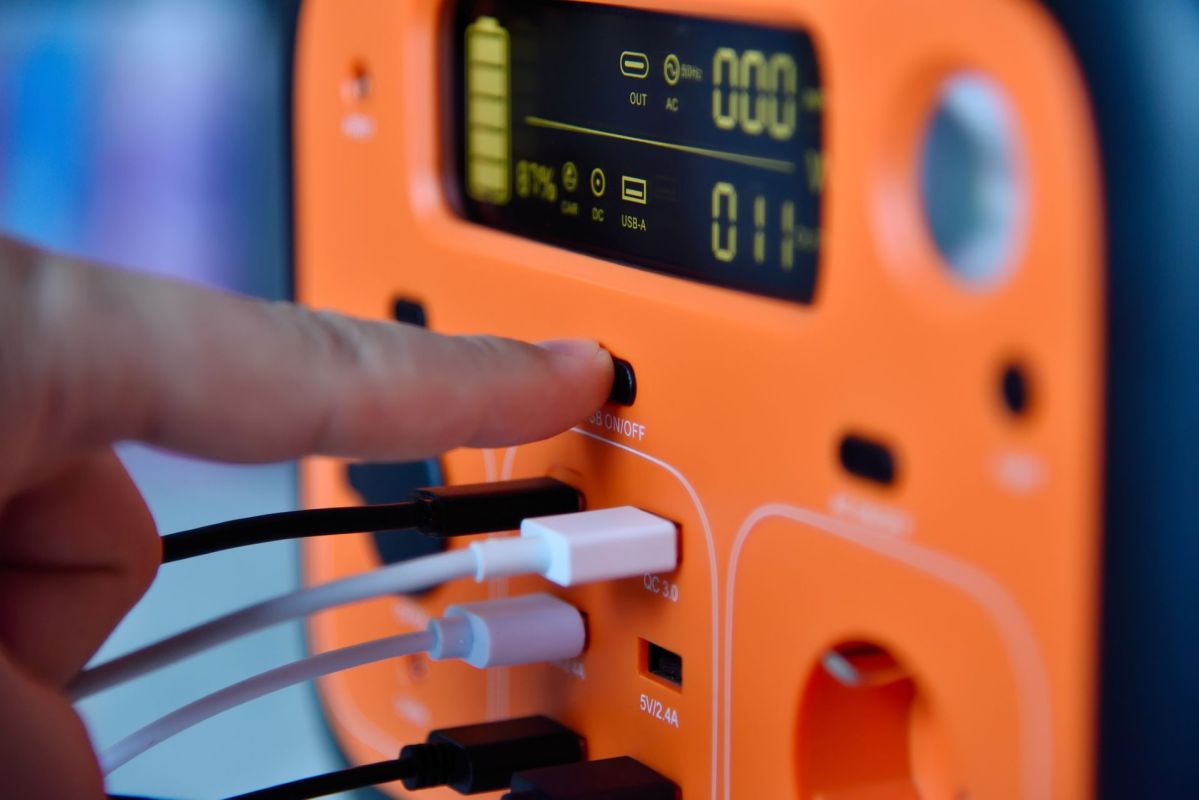
An upstate New York owner of a Pecron F5000 portable power station said in a Reddit post that the unit suddenly began smoking while it sat nearby as they worked at a table with their son — a troubling failure for a large battery system often used for solar storage and backup power.
The owner wrote that they "caught the distinct smell of burning electronics" and "saw smoke pouring out of the fan exhaust."
Here's what to know
According to the original poster, the F5000 showed up in mid-July and had caused "zero issues" until this happened. They also said their solar setup was topping out at around 85-95 volts, which stayed within the unit's specifications.
The original poster said they responded by moving the power station outside and contacting support within 10 minutes of noticing the smoke. According to the original poster, Pecron later agreed to replace the unit under warranty.
Some Reddit commenters indicated the case might not be unique. One wrote: "I've had mine for 5 months. Working fine so far, but I do wonder a bit about the quality of these units..." Another said, "I had the same electronics burning smell. Didn't notice any smoke coming out. They told me that it's normal."
One commenter said they had "no issues here" and were using the unit with solar plus 240-volt output for EV9 charging during sunny weather.
TCD Picks » Quince Spotlight
💡These best-sellers from Quince deliver affordable, sustainable luxury for all




More background
Buyers often rely on systems like these for daily solar charging, bill savings, RV use, or emergency backup. That raises the stakes when a failure happens indoors.
Before pickup, the original poster said they had noticed a few readings that did not seem right, including an AC inverter reading of 32 degrees Fahrenheit despite indoor temperatures in the 70s, along with DC input readings appearing even when nothing was connected.
A commenter who said they got their unit early in the shipping run described a flaky left MPPT port that eventually led to a replacement and $150 in credit for lost solar production. Separately, another upstate New York commenter said their unit was also "smoking burning" and that they had sent it back in August but still had not received a replacement by October.
Comments about support responsiveness were mixed but generally positive. One commenter said they had "zero complaints" about their interaction with support, though communication could be slower because the company and staff were in China and responded during their workday. The original poster also said they had heard "good things about Pecron service."
What can be done?
A large battery system is a serious electrical appliance. If a unit is saving money by storing solar power or helping offset EV charging, it also deserves to be placed where strange smells, smoke, or unusual fan behavior will be noticed quickly.
The Reddit thread included a few caution flags: sensor readings that do not make sense, the manufacturer's weather and temperature limits, and the warranty process before something goes wrong.
One commenter said most power stations are not designed for rain exposure, while others discussed how cold-weather charging features may activate only under certain conditions.
For shoppers hoping a big battery will quietly shave down electric bills for years, the owner's simplest advice may be the most useful: "Just check on it, periodically, I guess."
Where can I learn more?
Other backup power mishaps show how quickly home energy gear can turn dangerous. They range from generator-related poisoning risks to emergency responses and lithium battery fire concerns.
• A homeowner called firefighters after a backup generator filled the house with carbon monoxide.
• In South Carolina, officials warned that trying to heat a home with a generator turned fatal.
• A fire marshal warned homeowners that gas-powered generators can kill with carbon monoxide in minutes.
• Government officials warned homeowners that an invisible killer can build up around generators in winter.
• Pediatricians warned that generator exhaust can sharply raise children's poisoning risk during outages.

Get TCD's free newsletters for easy tips, smart advice, and a chance to earn $5,000 toward home upgrades. To see more stories like this one, change your Google preferences here.






