


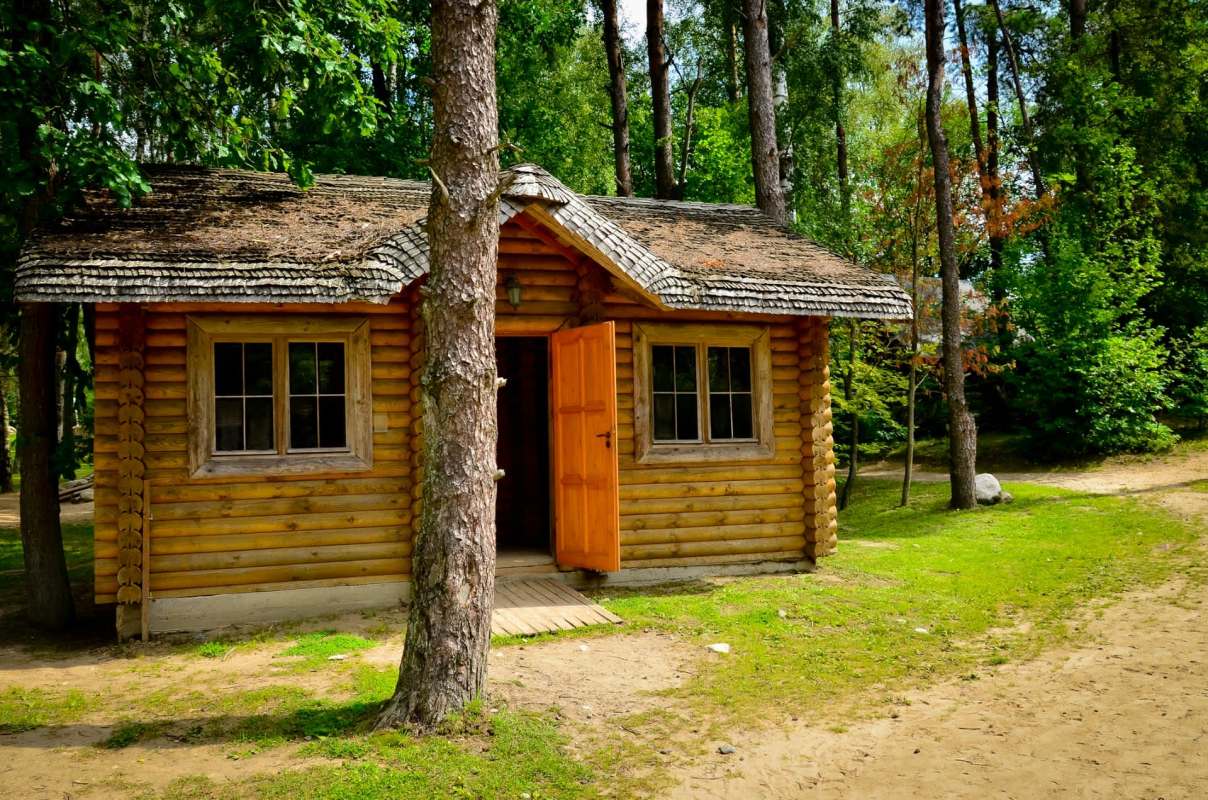
The appeal of a secluded cabin often centers on getting away from the pressures and costs of modern life. But an off-grid creator says that kind of independence still starts with a detailed budget.
Here's what to know
The creator behind My Self Reliance (@MySelfReliance) shared a YouTube video explaining why planning for off-grid life should start with real financial records.
He told viewers to "build your budget based on your actual statements, not just theory" and said anyone thinking about a cabin or a fresh start in the woods needs to understand where their money is currently going.
That starts with gathering bank statements, credit card statements, and utility bills and recording the actual amounts. He said doing so can uncover spending patterns people miss, including forgotten subscriptions and other recurring charges.
To make the point, the creator described an earlier try at wilderness living. At 21, he moved onto five acres with almost no income and found that even a $150 monthly mortgage and about $100 a year in property taxes were enough to make the plan fail.
More background
Instead of focusing on the usual appealing parts of off-grid content — scenery, woodworking, food gathering, or a slower pace — the video centered on expenses. His point was that land, materials, and resources still come with a price tag.
TCD Picks » Quince Spotlight
💡These best-sellers from Quince deliver affordable, sustainable luxury for all




A cabin lifestyle may look simpler, but it still involves upfront costs and ongoing planning. For many people, living off-grid is not a fast route to financial freedom.
According to the creator, reviewing spending can be eye-opening because people are often "a little shocked at what you spent on things that you weren't really keeping track of." He presented that review as an essential step before any major lifestyle shift.
What can be done?
For people interested in homesteading, downsizing, or becoming more resilient, one place to begin is by listing every account and recurring expense, then checking those against actual statements to see what life really costs.
Once all the numbers are in one place, it becomes easier to spot simple opportunities to save, such as canceling unused subscriptions and reducing unnecessary spending. Even people who never want to live off-grid may find that process helpful in lowering financial stress.
He also suggested keeping a written record in a journal or spreadsheet so changes are easier to follow over time. For someone working toward a cabin or homestead, that record can help show whether the goal is getting closer — or whether more planning is still necessary.
Self-reliance can begin long before a move to remote land. It can start with a clearer view of everyday finances.
He said, "If you don't get your financial house in order, it's really hard to build up a life of self-reliance, you have to have that financial foundation set first."
Where can I learn more?
These stories show how off-grid living can hinge on decisions about budgets, energy systems, and basic infrastructure. They follow families and homeowners making financial tradeoffs around meal planning, solar power, and everyday self-sufficiency.
• One family living off-grid said meal planning and battery use helped stretch every dollar.
• In Tennessee, one off-grid homeowner said moving with almost no money still required careful choices.
• After a brutal winter, a rural couple found the most cost-efficient way to live off-grid.
• A contractor warned future off-grid homeowners that a real-world understanding matters before building.

Get TCD's free newsletters for easy tips, smart advice, and a chance to earn $5,000 toward home upgrades. To see more stories like this one, change your Google preferences here.






