


How much emergency planning is enough before it stops sounding practical and starts sounding extreme? For one Redditor, that question changed after a friend lost power for two weeks during a storm — and her husband began seeing their home setup in a very different light.
The shift was driven less by fear and more by a focus on everyday security. Keeping food on hand, having backup plans for outages, and avoiding costly last-minute scrambles when store shelves run low can make a big difference.
Here's what to know
In the Reddit thread, a poster in Reddit's r/prepping community said discussions about outages, grocery recalls, and household readiness eventually got her spouse "fully on board" with prepping.
She had already been building skills and supplies at home, including learning to "make bread from scratch, can food, [and] start keeping more supplies in the house." After a friend went through a storm that caused a two-week power outage, the couple started talking about whether their own household could handle that long without electricity.
"He is fully on board with actual prepping. Like, so on board I'm shocked," the original poster wrote.
Replies suggested that real-world disruptions often change minds faster than abstract arguments do. One commenter who had lived through Hurricane Ian noted that his wife had been hesitant before the storm and then told him: "I get it now. Thank you."
TCD Picks » Quince Spotlight
💡These best-sellers from Quince deliver affordable, sustainable luxury for all




More background
Much of the advice shared wasn't centered on bunkers or extreme worst-case scenarios. Instead, it focused on getting through the first few days or weeks of a common emergency without overspending or going without essentials.
Several commenters described modest prep as useful even when nothing catastrophic is happening nationally.
"It doesn't have to go bad on a macro scale for modest prepping to be valuable," one wrote. "The most valuable prepping is the stuff that gets you through the first few weeks in style. That's what tides you over through bad storms, big fires, and other completely normal localized disasters."
Saving money was also part of the appeal. The original poster mentioned buying food in bulk, including half a cow, while another commenter said they spent "about $200 on supplies" before pandemic-era shortages, which "put us well ahead of the curve on cost, and availability." Buying shelf-stable staples before prices rise or shelves empty can reduce panic buying, food waste, and repeated emergency store runs.
Backup power also came up repeatedly as a major household game-changer. One commenter said a lengthy summer outage helped persuade their spouse and added that in a 12-hour blackout, two window air conditioners were powered by "both power stations/solar and a propane generator."
What can be done?
In the thread, preparation was framed less as ideology and more as a way to protect comfort, save money, and keep family life stable. The original poster suggested talking about rising prices and children's needs instead of leading with the label of prepping itself.
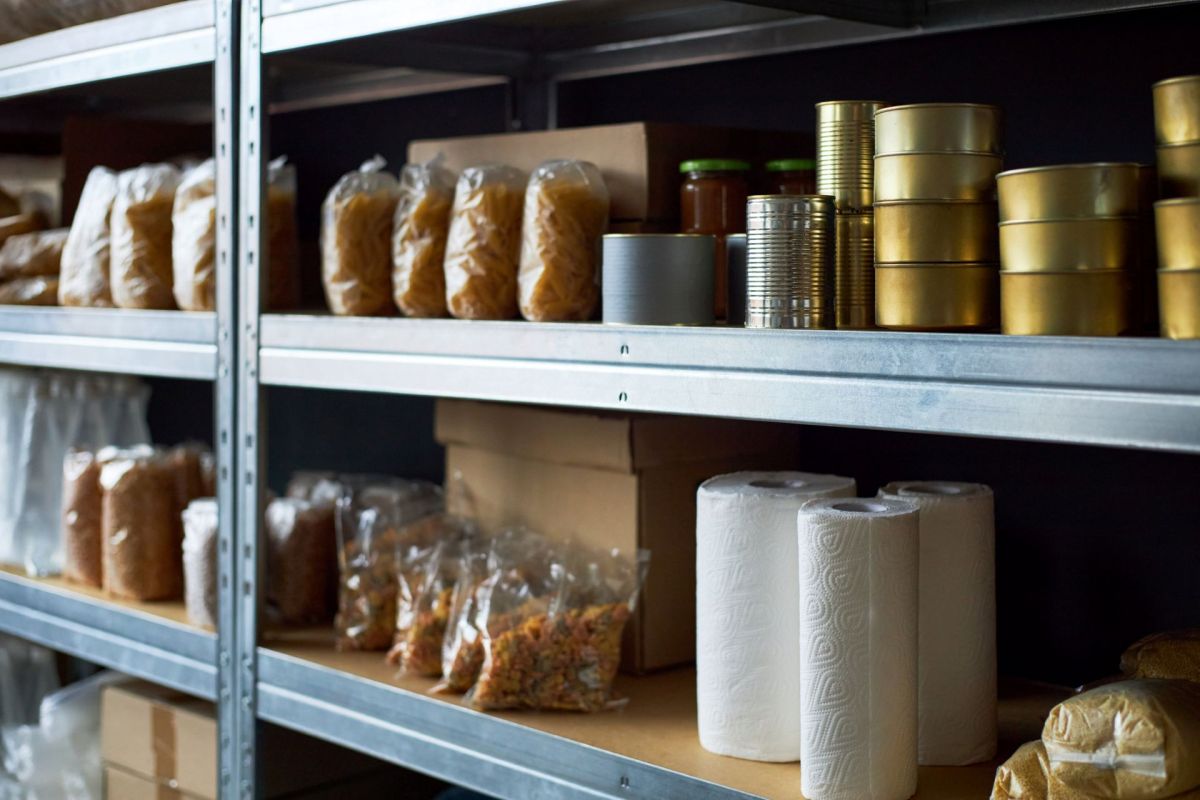
The examples shared for families starting small included keeping extra canned food and rice on hand, storing emergency water, building a garden, and thinking through how the home would function during a multi-day outage. For some families, that could also mean gradually investing in power stations, solar, or a generator.
As one commenter noted, a well-prepared home does not have to look dramatic.
"If you do it right then on an everyday basis your prepping lives out its secret identity as an extremely well stocked pantry, so that you never NEED to go to the store," they wrote.
Where can I learn more?
These stories take a closer look at the practical questions raised by outages, backup power, and low-drama household prep. They cover keeping food cold when the grid fails, building emergency supplies on a budget, and choosing backup power that can keep a family comfortable.
• Preppers say keep the fridge cool with simple outage tricks to avoid losing food.
• On Reddit, newcomers learned to prepare for emergencies without blowing the household budget.
• After repeated outages, one parent compared generators that could power fridges and ACs at home.
• A simple cooler strategy helped families keep food fresh and cut waste during outages.

Get TCD's free newsletters for easy tips, smart advice, and a chance to earn $5,000 toward home upgrades. To see more stories like this one, change your Google preferences here.






