


Why use drinking-quality water for industrial cooling when treated wastewater can do the same job?
Corpus Christi is building out its reclaimed water program to answer that question and take some pressure off the city's drinking water supply.
Here's what to know
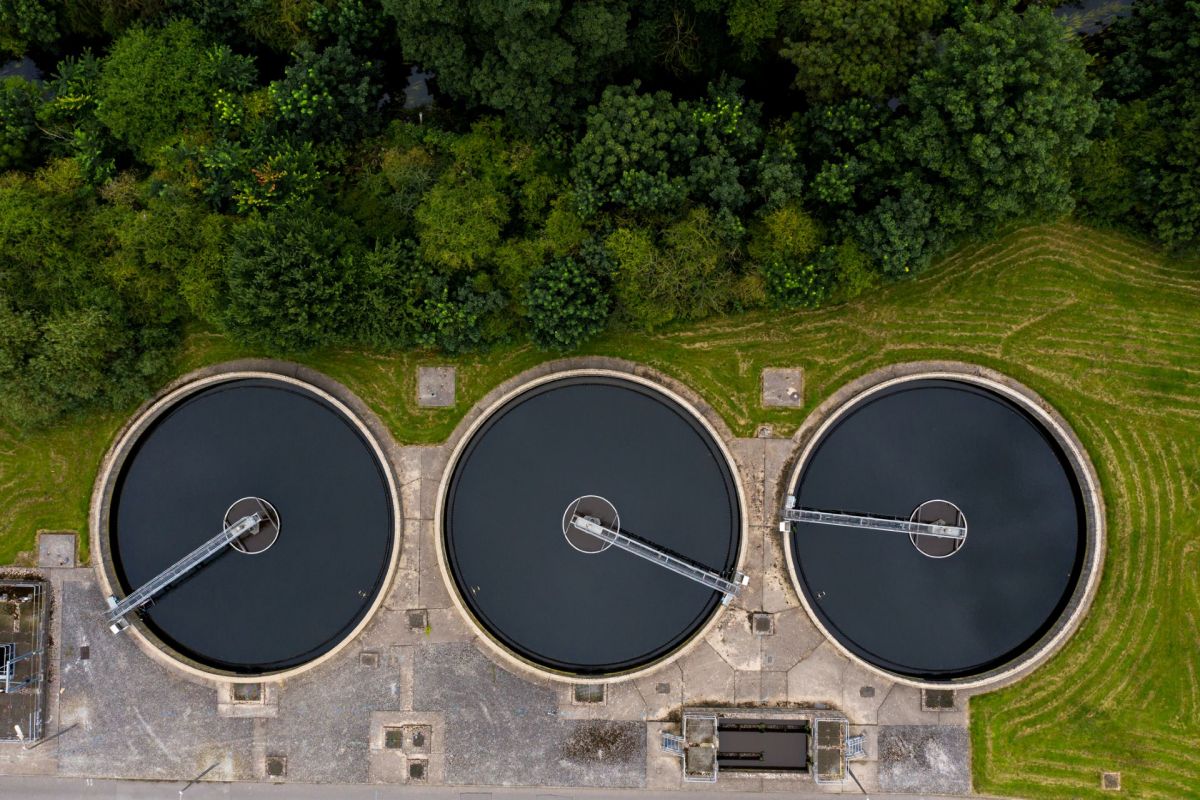
As 3NEWS reported after a tour with city officials, work is underway at Oso Wastewater Treatment Plant, part of the city's plan to send treated wastewater to industrial users instead of discharging it into local bays and estuaries.
Although reclaimed water isn't meant for drinking, it can still be used for jobs like industrial cooling that don't require drinking-quality water.
According to City Manager Peter Zanoni, shifting those industrial uses to reclaimed water could free up millions of gallons of fresh water for other customers.
"It's existing water that up to this point was just discharged into the bays and estuaries," Zanoni said. "This reuses it and then it frees up fresh water that we have been selling these customers."
TCD Picks » Quince Spotlight
💡These best-sellers from Quince deliver affordable, sustainable luxury for all




The city says the expanded reclaimed water program could ultimately provide up to 16 million gallons per day for reuse.
More background
Valero is expected to be among the industrial customers using the system.
Valero's 30-year agreement with the city, approved in January, provides up to 3 million gallons of reclaimed water a day from Greenwood at first and could rise to 8 million.
That would let Valero use reclaimed water for cooling instead of drinking-quality water from the city's O.N. Stevens Water Treatment Plant, Zanoni said.
"They will no longer buy water from O.N. Stevens, so that'll free up 8 million," he explained. "And then they'll buy the 8 from this system here, which is perfect for their cooling processes."
The city has a reclaimed water agreement with Flint Hills Resources that covers up to 1 million gallons per day at first and could double to 2 million.
What's being done?
In June, the City Council approved a $107.5 million contract for the second phase of construction, which includes about 10.5 miles of new 36-inch pipeline to link the Oso and Greenwood water reclamation facilities.
Pipeline installation is also underway along O'Day Parkway, where a stretch between Weber Road and Shadow Wood Drive is scheduled to stay closed through October 26.
Phase 2 of the project is slated to wrap up in May 2027.
Another advantage, Zanoni noted, is that the city already treats the wastewater.
"It's water that's available today," he added.
Where can I learn more?
Cities in Texas and beyond are turning to wastewater reuse as water supplies tighten.
• In El Paso, officials are building drought-proof drinking water through advanced reuse technology.
• In California, state regulators approved converting sewage waste into drinking water for future supplies.
• In Phoenix, the Pure Water project will transform wastewater into drinking water for residents.
• In Corpus Christi, a worsening water shortage is raising concerns about the future.
• Near Fort Worth, residents challenged a proposal as water demand in Texas keeps rising.

Get TCD's free newsletters for easy tips, smart advice, and a chance to earn $5,000 toward home upgrades. To see more stories like this one, change your Google preferences here.






