


After years of helping thousands of Tampa Bay residents bring home free fresh groceries, the Kinship Free Market is facing a new challenge: how to keep that support going as key grant money starts to disappear.
Run by Well Built Cities, the program now serves about 12,000 people each year at 11 sites across Tampa Bay, but WFTS reported that the loss of recurring grant funding could force cuts to two of its weekly distributions.
Here's what to know
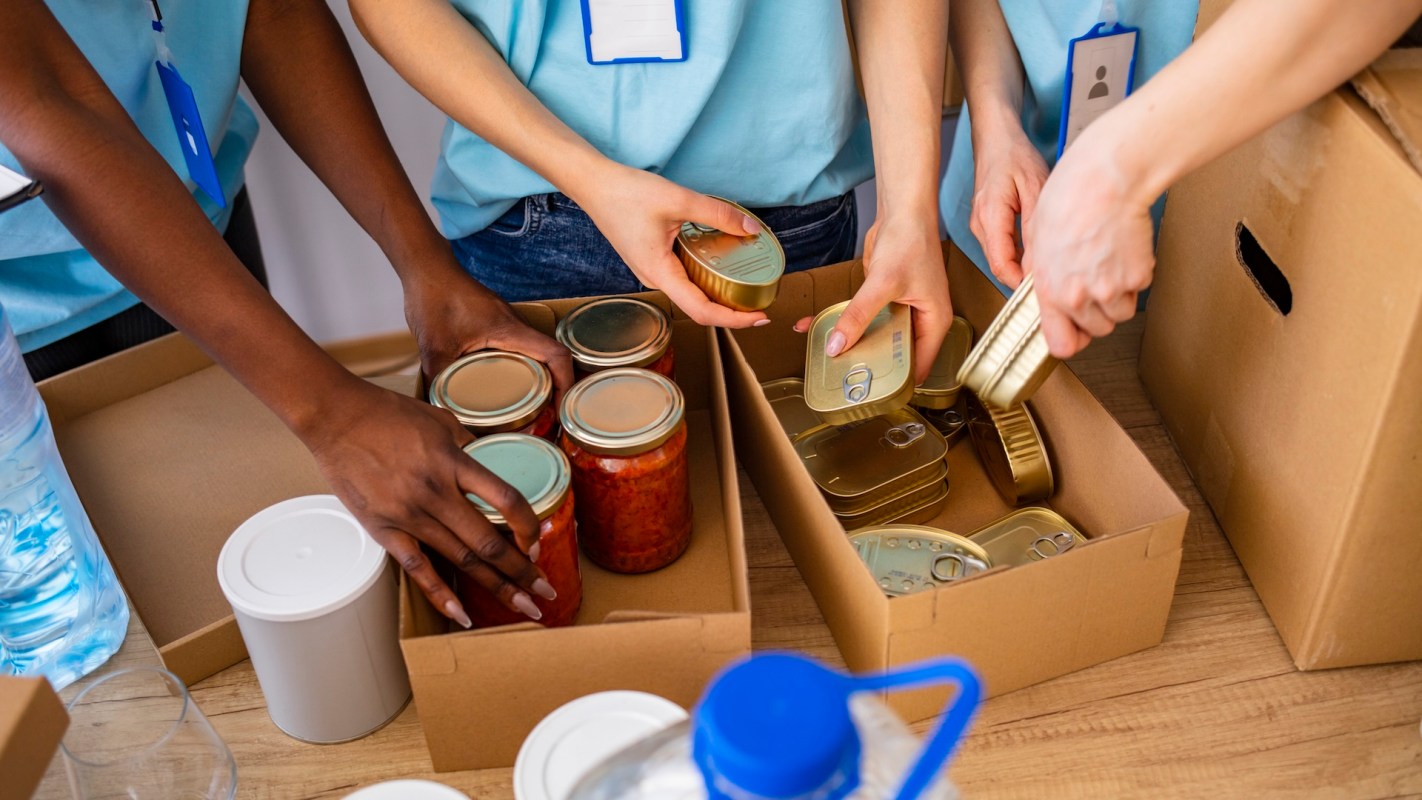
For six days each week, a refrigerated trailer brings produce, meat, dairy, bakery goods, and prepared foods into neighborhoods so residents can choose groceries that suit their households instead of taking home a prepacked box.
Well Built Cities chief operating officer Dhalia Bumbaca said the program costs about $10,000 a month to operate, with grants and donors covering much of that cost.
"We've lost some of those recurring grants that have supported the Kinship Free Market, and so as a result, we're in need of more ongoing support to sustain that," Bumbaca told WFTS.
The free market distributes about 250,000 to 300,000 pounds of food each year, and each event typically includes around 800 to 1,000 pounds.
TCD Picks » Quince Spotlight
💡These best-sellers from Quince deliver affordable, sustainable luxury for all




Much of the supply comes from stores such as Whole Foods, Sprouts Farmers Market, and Abby's Health and Nutrition — food that might otherwise go to waste.
That choice-based model is central to the effort, per John Davis, who helps lead the weekly distributions.
"We let [recipients] actually go through and pick out what they can eat instead of us giving them a box of food," he explained.
"That way, it doesn't get thrown away. They're going to take what they need. They know their diet better than we will ever know it."
More background
WFTS spoke with Rita Mack, a retired local resident who relies on a scooter to collect groceries and then shares food with neighbors who have children.
"I don't work and I'm retired, but when I get food, I help other people in my neighborhood that may need help that have a lot of kids, because God say help people," Mack said.
For Davis, the work is personal, and he acknowledged that his own experience with housing insecurity influences his role today.
"I've been through it. Me and my family, we were homeless for three years, living in motels, trying to keep our stuff in a storage unit. So I know what it's like," he told WFTS.
Bumbaca said the free market serves as more than a place to pick up groceries.
Well Built Cities also pairs distributions with cooking demonstrations, community gardens, and a Community Food Ambassador training program, and some people who first came for food later became staff members and paid food educators.
Because participants usually bring home about 50 pounds of food — roughly a week's worth of groceries — fewer stops will leave families with even fewer options as they try to stretch already tight budgets.
What's being done?
To cover the shortfall, Well Built Cities said it is leaning on private donations while rebuilding its grant pipeline, and it affirmed that it will keep its Friday distribution running even if it has to absorb the cost itself.
The nonprofit is also looking for volunteers and organizational partners.
Bumbaca said recurring monthly donations are especially important because they provide more predictable support the program can plan around. One way to support waste-cutting community efforts is through donating money to similar local causes.
She noted that the group has also seen success when community institutions want to host and help fund a distribution.
"If they're part of a community that needs a food distribution and has an organization or institution that's willing to support that," Bumbaca began.
"So, for example, we've seen this with church groups in the past, where they have the interest in doing a distribution at their church, and they'll contribute financially as an organization to bringing that food distribution out there."
Where can I learn more?
Other communities and organizations are tackling the same challenge by expanding food access while keeping edible groceries out of the trash. The articles below cover neighborhood produce giveaways, pantry partnerships, and hotel donation efforts.
• In Singapore, FairPrice will expand free produce pickup points for residents and volunteers.
• In Wisconsin, a food pantry closes the loop on food waste with gardens and farms.
• Marriott International has saved over 300,000 meals by donating surplus food to communities.

Get TCD's free newsletters for easy tips, smart advice, and a chance to earn $5,000 toward home upgrades. To see more stories like this one, change your Google preferences here.






