


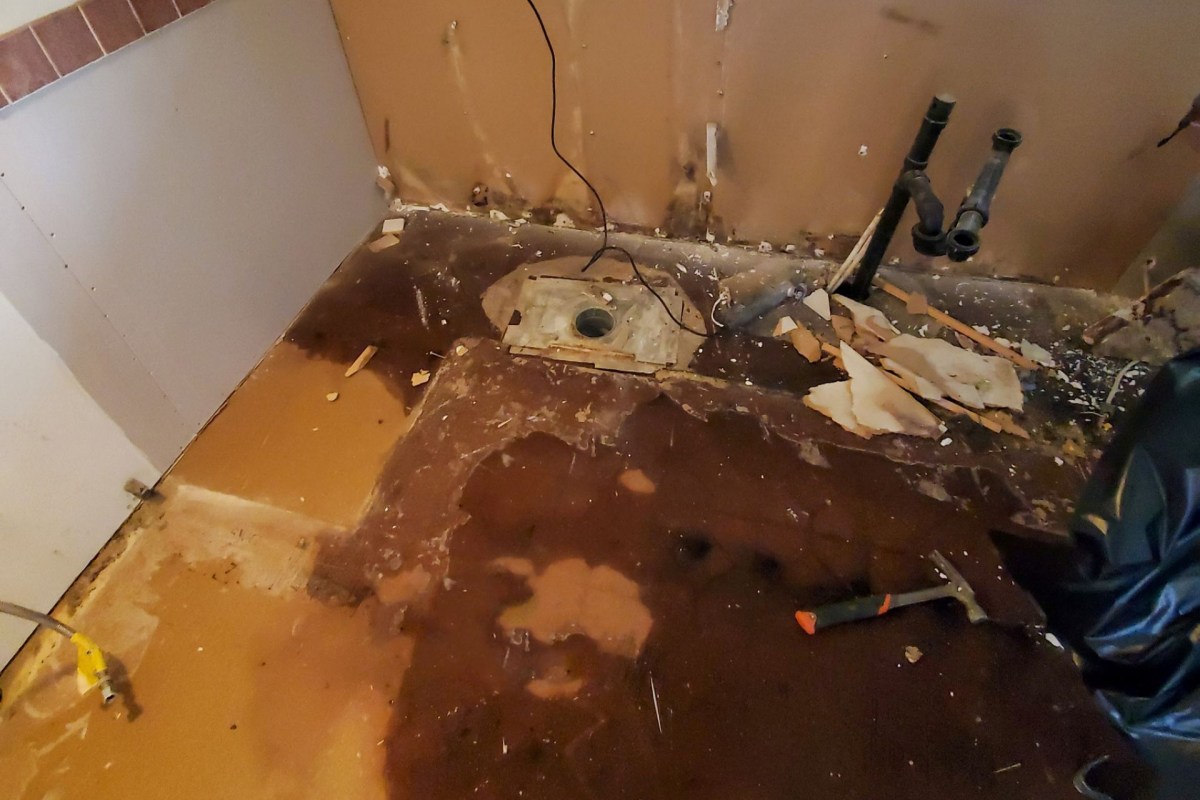
After a sewer backup flooded a home's entire first floor, the owner took to Reddit's r/FirstTimeHomeBuyer community to search for advice and see if others had similar stories.
Here's what to know
The homebuyer had already paid for preventive line work and was told by a camera technician that it looked fine, making the extensive damage especially upsetting.
This technician allegedly told the original poster, "If this were my own home I wouldn't do anything." But shortly after, the "upstairs shower caused a sewer backup to flood … Cat 3 water contamination means we will need to rip up all affected flooring and drywall, and replace all of our first story floors."
During a later camera review, a second technician reportedly found a sag beneath the house and a slight offset where two fittings meet, while still saying it "was probably just an honest clog."
They were told replacing the suspect section of pipe would cost about $15,000 to $20,000 out of pocket, and the homeowner said insurance would only pay if that part of the line had a crack.
The homeowner wrote, "I'm just sad and burnt out, I love my house and really felt like I did what I needed to do to prevent something like this from happening. [I] trusted the professionals that all told me it was looking good, and now this happens?"
TCD Picks » Quince Spotlight
💡These best-sellers from Quince deliver affordable, sustainable luxury for all




Much of the discussion in the comments section centered on whether this was a one-off blockage or a sign of an ongoing drainage issue. One commenter questioned whether the first technician was actually a plumber, and another urged the homeowner to confirm the line's pitch before approving a major repair.
One commenter advised, "Before making any decisions get a 2nd, 3rd, maybe even a 4th opinion."
The conversation also raised practical questions about whether the pipe was sloped correctly, whether the belly and fitting offset are likely to trap waste again, and whether lining the pipe or replacing it outright would be the smarter financial move.
The homeowner also said Roto-Rooter, the company handling the mitigation work, recommended using thinner toilet paper and flushing more than once to help keep things moving and prevent buildup. The OP later said they plan to collect more quotes and bids before deciding whether the mainline replacement can wait until next year.
Where can I learn more?
For more on the kinds of clogs, backups, and wastewater risks that can lead to expensive repairs, start with these stories.
• Another homeowner learned how to avoid a common mistake when a shower drain starts clogging.
• A plumber showed off an easy drain fix before deeper blockages worsened.
• In one bathroom, a drain problem kept returning despite repeated cleanup attempts.

Get TCD's free newsletters for easy tips, smart advice, and a chance to earn $5,000 toward home upgrades. To see more stories like this one, change your Google preferences here.






