


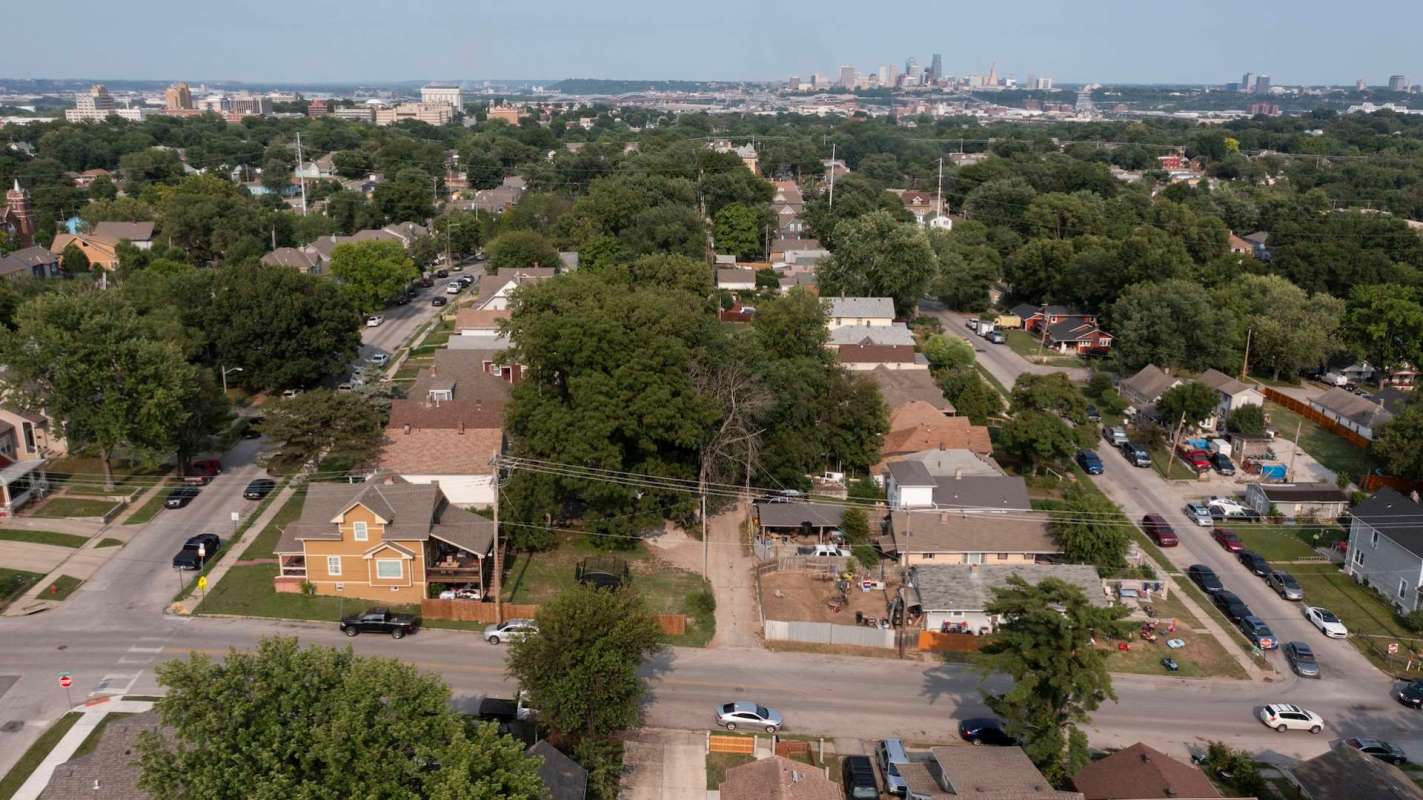
More than 200,000 Jackson County, Missouri, homeowners could be in line for repayments after a years-long fight over property tax bills tied to assessed home values that rose by more than 15%.
A proposed class-action settlement would cover disputed overcharges from 2023 and 2024, potentially returning up to $250 million to taxpayers.
Here's what to know
A proposed settlement has been filed in Jackson County Circuit Court to repay homeowners who were billed more property tax than they should have owed, according to The Kansas City Star. Nichelle Oxley, an attorney representing the class members, said the agreement could be worth $250 million, while Interim County Executive Phil LeVota said the county estimates it at about $175 million. The final number will depend on how the repayments are issued.
The dispute stems from 2023 residential assessments. In 2024, the Missouri State Tax Commission said Jackson County could not lawfully push value increases beyond 15% without giving homeowners adequate notice.
Those notification issues prompted the state to order Jackson County to reduce most of its 2023 residential assessment values.
LeVota suggested the core fight is largely settled, saying, "Now it's just the formal paperwork of getting in front of a judge, all the formalities. Everybody's on the same page."
TCD Picks » Quince Spotlight
💡These best-sellers from Quince deliver affordable, sustainable luxury for all




More background
The problem was not simply that property valuations went up, but that they were allegedly raised past the legal threshold without the notice required under state rules.
If approved, the settlement would repay eligible homeowners through credits spread over three property-tax bills, per The Kansas City Star.
People who overpaid and have since moved would still be eligible for cash refunds if they file a timely appeal, Oxley said.
That repayment setup matches both the new county law and LeVota's July 4 executive order directing the county to carry out the tax program.
What's being done?
The settlement now goes to a judge for review. Oxley said the agreement has been filed in Jackson County Circuit Court and could receive preliminary approval once the court signs off.
Current homeowners would probably get their money back through tax credits, while former homeowners could receive cash refunds. If preliminary approval is granted, class members would be notified about the settlement and told whether they need to provide additional information to collect repayment.
Oxley emphasized that the agreement is meant to return the full amount of the overcharges, not just a portion. "This isn't a discounted settlement. It's the whole overpayment," she said.

Get TCD's free newsletters for easy tips, smart advice, and a chance to earn $5,000 toward home upgrades. To see more stories like this one, change your Google preferences here.






