


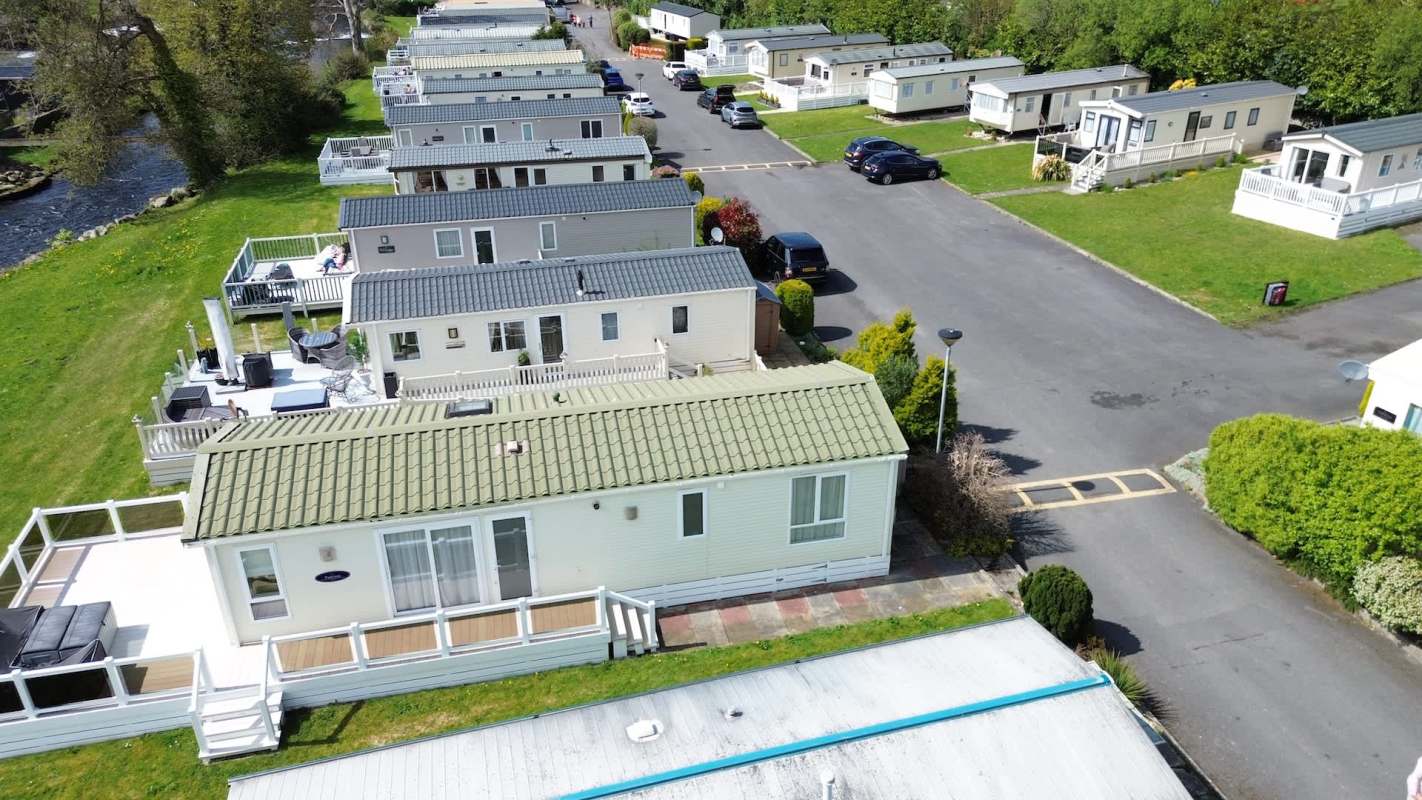
For people who technically own their homes but not the land beneath them, a single sale can suddenly change everything.
That tension sat at the center of a Reddit post from an Iowa trailer owner who said a private equity takeover led to a steep increase in monthly housing costs.
Here's what to know
The 26-year-old said their housing costs total about $1,450 each month, including around $490 for the lot, roughly $700 for the mortgage, and about $250 for electric and gas.
They said the new owner later notified residents that lot rent would jump to $593 per month and that internet would be the only utility still included.
"All together we're talking almost $400/mo increase for the same place we've been, now with shittier management and no one even in the STATE to refer questions to," the original poster wrote.
They also said conflicts with the prior owners included times when management "dug up my whole front yard and parked their machinery in my PAID parking spaces," and the poster said objecting to that was met with eviction threats.
TCD Picks » Quince Spotlight
💡These best-sellers from Quince deliver affordable, sustainable luxury for all




Much of the discussion centered on the lease itself.
"Unless it's in the lease they can raise as much as they like as long as they give 30 days notice," one commenter wrote.
More background
"This is happening all over the country," one user wrote.
Another commenter added, "Mobile home parks get bought by PE firms all the time now and it's the same playbook every time, squeeze every dollar out until residents can't take it anymore."
People in the thread said residents in mobile home parks can be especially vulnerable because relocating a trailer often costs too much to be practical.
Several commenters noted that owning the structure does not necessarily shield someone from higher land rent, added charges, utility policy changes, or rules imposed on the property.
For renters and land-lease residents dealing with restrictive housing rules, working collectively can also matter.
If a landlord or community association blocks cost-saving changes such as food gardening or line-drying clothes, residents may have more leverage by organizing neighbors and pushing for policy updates together.
What can be done?
Commenters largely pointed to the lease as the starting place. Terms covering utilities, notice, or caps on rent or fee increases could be crucial in determining what the owner can change.
The thread also suggested reaching out to local tenant-rights organizations, since relevant protections may sometimes come from city or county ordinances rather than state law alone.
One commenter suggested a larger structural option: "Form a resident owned Co-Op."
Where can I learn more?
These stories look at what happens when landowners or housing authorities change the rules — and how residents have responded.
• In Wisconsin, tenants saw manufactured home rents soar after private equity bought parks.
• At Florida's Silver Court, residents invoked state law to stop looming evictions.
• In New Hampshire, residents bought the land beneath their homes and controlled rent hikes.

Get TCD's free newsletters for easy tips, smart advice, and a chance to earn $5,000 toward home upgrades. To see more stories like this one, change your Google preferences here.






