


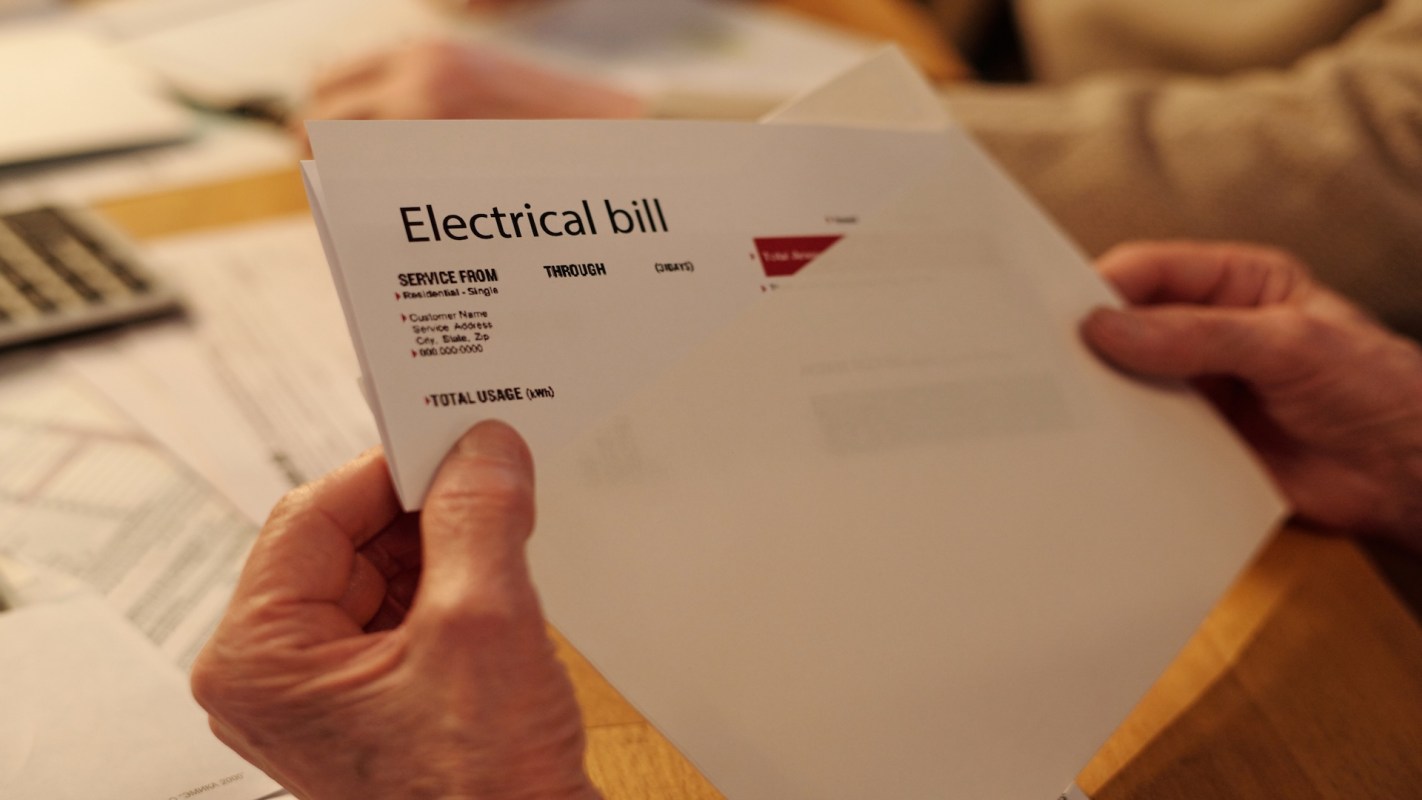
A Virginia-area resident who lives alone in a roughly 1,400-square-foot townhouse built in 1976 wondered whether monthly electric bills of around $150 to $175 were too high.
Here's what to know
In a Reddit thread on r/AskElectricians, the OP shared a list of the appliances and electronics plugged in at home and said, "I just don't want to be paying for errors if there are any."
They said, "I don't know if I'm just being paranoid or if there is a real issue."
Most replies treated the total as fairly normal.
One user said, "$150-$200 doesn't seem crazy," explaining that a utility bill may include a fixed base charge before electricity usage is added.
Another replied, "You're investigating $175 a month for a 1400 sqft place? That's cheap. Just the HVAC alone could explain that."
Instead of focusing on the dollar figure alone, users urged the OP to look at energy consumption data.
"Most utilities can provide the historic billing for a property owner. Ask if yours offers this," one user said.
Save $10,000 on solar panels without even sharing your phone number Want to go solar but not sure who to trust? EnergySage has your back with free and transparent quotes from fully vetted providers that can help you save as much as $10k on installation. To get started, just answer a few questions about your home — no phone number required. Within a day or two, EnergySage will email you the best local options for your needs, and their expert advisers can help you compare quotes and pick a winner. |

Another asked, "Have you looked at your historical usage in kWh, not dollars?"
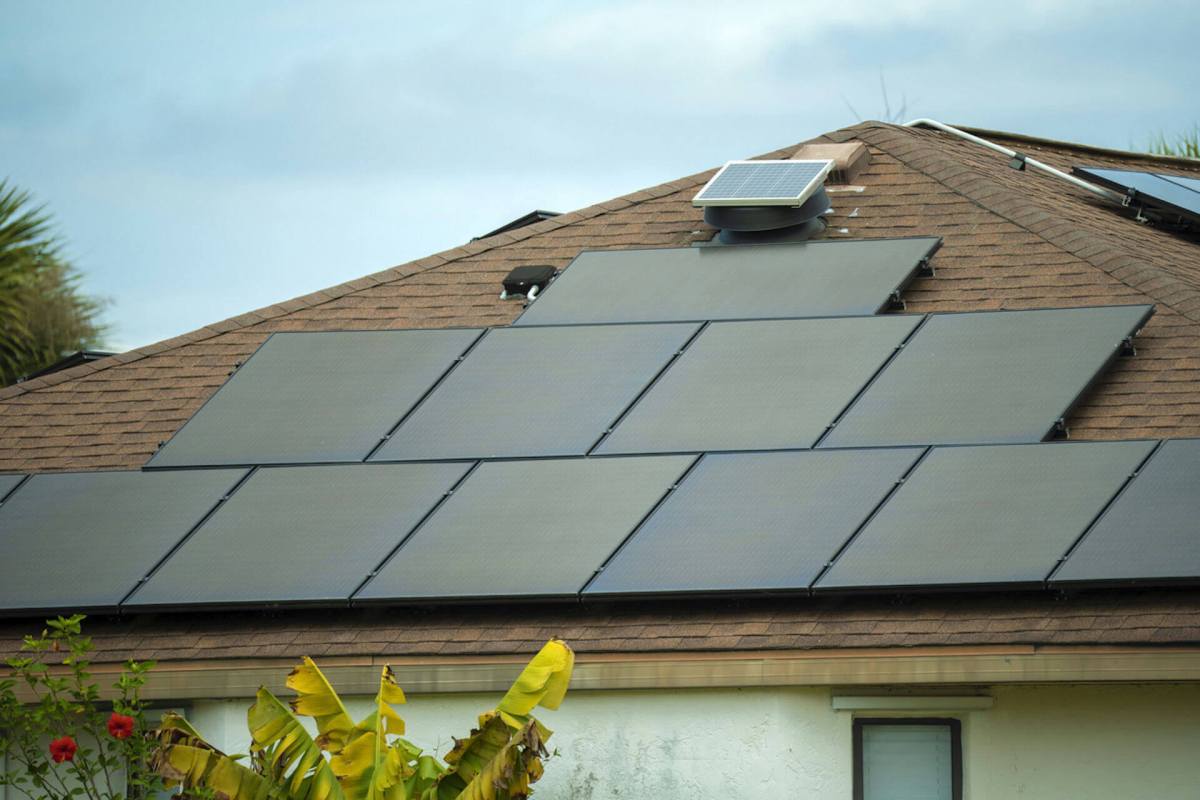
For homeowners looking beyond small day-to-day changes, going solar is one of the best ways to save money on home energy over time. Services like EnergySage let people get free solar installation estimates and compare quotes, which can help show whether rooftop panels would beat rising utility costs.
More background
People in the thread also noted that household size isn't the main driver of an electric bill.
One user said, "Nothing to do with the number of people really. Size of home, how air tight the building is, how cold or warm you like it, and your hobbies which require electricity are the biggest factors."
More From EnergySage
💡Go deep on the latest news and trends shaping the residential solar landscape


That can be especially true in an older townhouse. A home built in 1976 may have less efficient insulation, older windows, or aging HVAC equipment, all of which can push cooling and heating costs far higher than a phone charger or game console left plugged in.
Another factor users flagged was the home's heating type.
One person warned, "If electric, prepare for an increase in the winter."
If a home is a good candidate for solar, the financial upside can be significant. With EnergySage's help, the average person can save up to $10,000 on solar purchases and installations. Homeowners can also use EnergySage's solar map to see the average cost of a home solar panel system in their state and learn about local incentives, which together can help them get the best price for rooftop solar panels and access available savings.
What can be done?
Users pointed to a few simple ways to check the situation: get historical kWh records for the property from the utility, find out whether the home uses electric heat, and compare bills based on usage rather than price by itself. One person also recommended changing thermostat settings when the home is empty, especially if air conditioning is the biggest source of electricity use.
Additionally, adding battery storage to a solar setup is one of the best ways to protect your home during outages, save on energy costs, and go off-grid. Homeowners can explore EnergySage for information about home battery storage options, including competitive installation estimates.
Where can I learn more?
Other homeowners have run into the same question while trying to make sense of an electric bill. These articles look at surprise charges, solar billing confusion, and common sources of wasted electricity.
• A new homeowner was shown rooftop panels, then opened a first bill of $420.
• In South Carolina, a solar owner saw exports, then a $150 bill claimed 900 grid kWh.
• One homeowner sought answers after a neighbor blamed his 'quadrupled' electricity bill on nearby work.
• A frugal homeowner was shocked to find forgotten devices quietly draining power for years.

Get TCD's free newsletters for easy tips, smart advice, and a chance to earn $5,000 toward home upgrades. To see more stories like this one, change your Google preferences here.






