


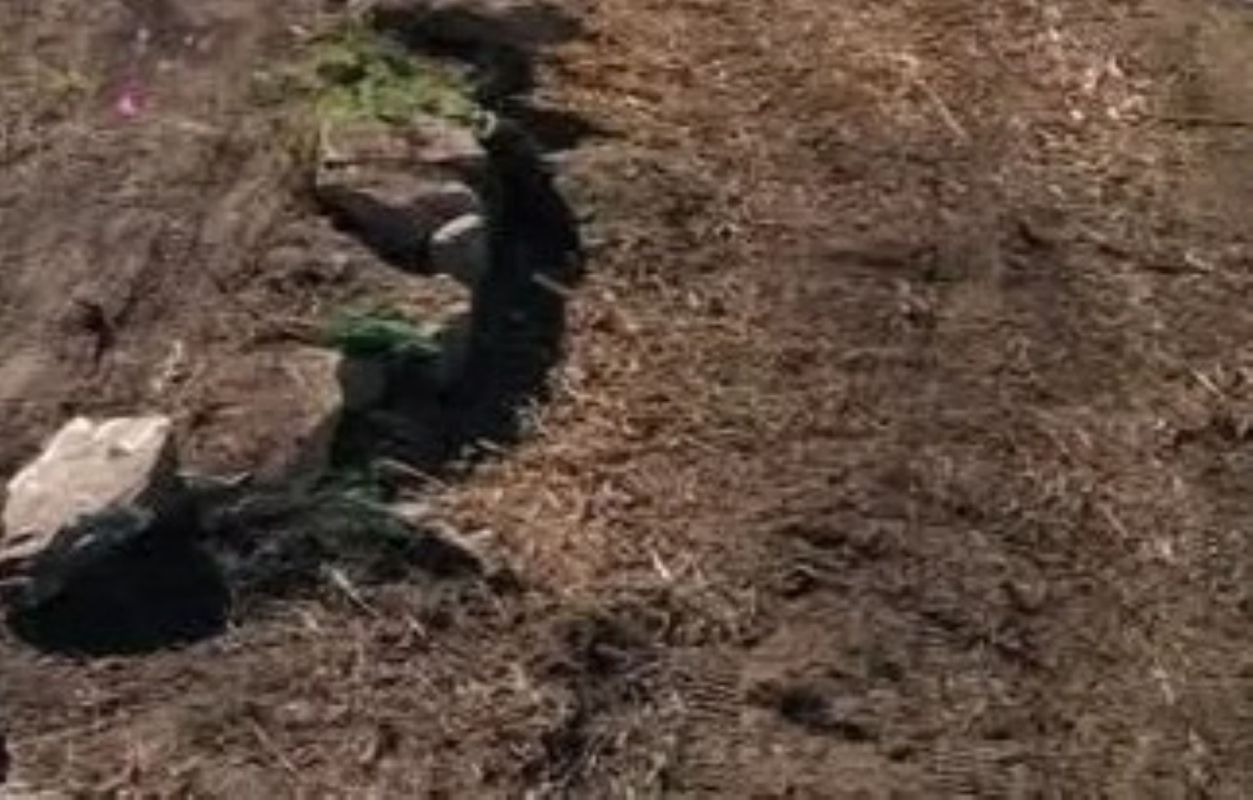
A homeowner said crews wiped out a 20-year magnolia tree, shrubs, and other landscaping during a road-widening project — and never gave notice before moving in. If the work really crossed onto private property, the damage goes beyond curb appeal.
Here's what to know
In a Reddit post, the homeowner said they live at the entrance to a subdivision and knew a nearby road was set to be widened to add a sidewalk. They also said they weren't sure of the exact boundary line and assumed an easement might apply.
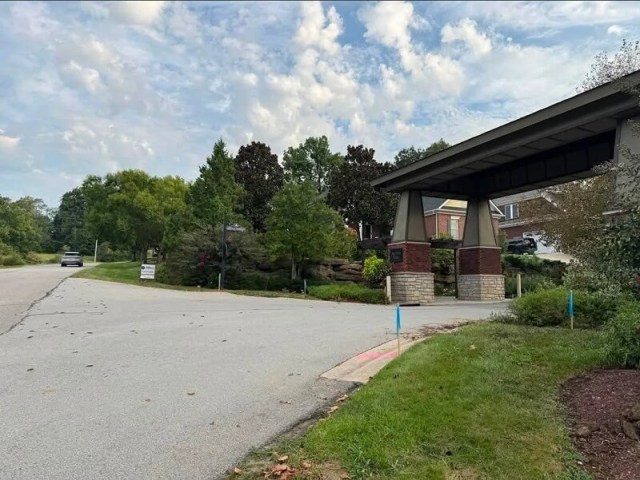
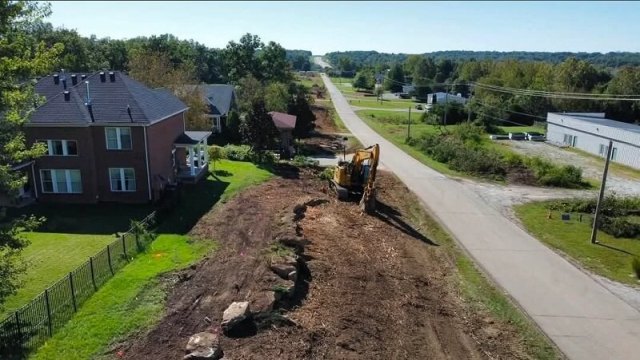
Then the landscaping was torn out.
The homeowner said: "They never gave me a letter, a call or contacted me in any way to let me know they were coming onto my property to destroy anything."
The OP said they were contacting a lawyer after a surveyor friend researched the issue and concluded officials "had no right to take any of the stuff on my property." According to the homeowner, the state had "apparently admitted they were in the wrong to him already."
One user said, "Heartbreaking. I hate the way they just razed everything."
TCD Picks » Quince Spotlight
💡These best-sellers from Quince deliver affordable, sustainable luxury for all




More background
Users noted that disputes like this often come down to easements, plats, and survey records — and that many homeowners are surprised to learn they do not own all the way to the road, even if they maintain the area.
A user who identified themselves as a highway contractor said situations like this often arise because residents misunderstand where private property ends and public project space begins. The same user said agencies and contractors can still be liable if work extends beyond those boundaries.
The destroyed area included a 20-year-old magnolia tree. Even when compensation is possible, money does not immediately restore tree canopy.
What can be done?
The clearest advice was to confirm the exact property line, review any recorded easements, and document everything before cleanup or replanting begins. That includes photos, surveys, plats, and any relevant communication.
Users also urged the homeowner to seek professional help quickly.
One said, "You need to have a certified arborist provide a valuation of what was destroyed."
That can be especially important when mature trees are involved, since replacement cost may not reflect their true value.
The same highway contractor said the first call should be to the public official overseeing the project: "Call the engineer and ask them to meet you at your location."
He added that if the damage happened outside the project limits, "the engineer should help you get your property restored."
Where can I learn more?
Unfortunately, this isn't the only case of trees and other plants getting destroyed and removed. The stories below share other incidents where it's happened.
• Under a state-backed program, crews took out big oaks and infuriated a landowner.
• In Cyprus, local officials destroyed decades-old forest on private property, sparking outrage.
• An HOA sent landscapers to chop hedges and left a homeowner tallying losses.
• One homeowner said an aggressive neighbor began destroying multiple trees without consent.

Get TCD's free newsletters for easy tips, smart advice, and a chance to earn $5,000 toward home upgrades. To see more stories like this one, change your Google preferences here.






