


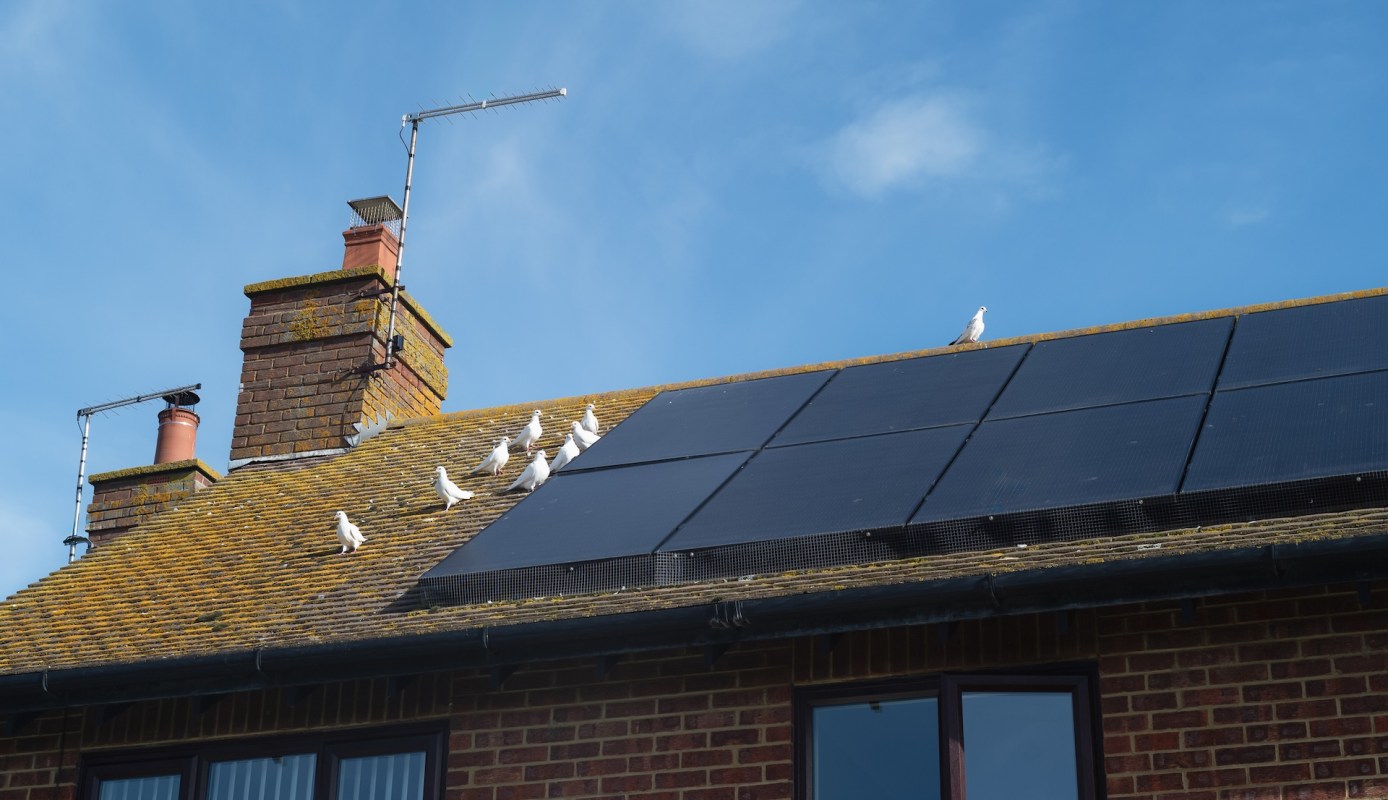
After seeing a nine-panel solar setup cover all of a home's electricity costs through summer, one U.K. homeowner turned to the internet with a winter solar question.
Here's what to know
In a thread posted to Reddit's r/SolarUK forum, the homeowner asked, "What can I expect as the days get shorter?"
The original poster shared that they recently went solar and "haven't paid for any electricity since the install." OP added, "the few recent days with cloud and rain saw [an output] drop by about 50% but the sun has still been out."
Responses in the thread pointed to a wide but consistently sharp winter slowdown. Several commenters said cold-season output often lands at roughly one-sixth of summer production, and one user reported, "My December 2025 generation was 1/9th of my June 2025 generation."
Commenters also stressed that local conditions matter. They said winter generation can vary with panel orientation, roof pitch, tree or neighboring-house shade, and cloud cover. To illustrate the extremes, one user recalled a January day when a 32-panel system produced just 1.7 kilowatt-hours, while another wrote that their system made "2,000+ kwh in July, 200kwh or so in December/Jan."
As this homeowner found out, despite worse winter months, going solar is still one of the best ways to save money on home energy. If you're considering it, try EnergySage to get free solar installation estimates and compare quotes.
More background
Winter solar in the U.K. can drop off quickly because the days are shorter and the sun sits lower in the sky, even without complete cloud cover. As one commenter put it, "Winter is rubbish for solar."
EnergySage can be especially useful for shoppers trying to keep upfront costs down. With EnergySage's help, the average person can save up to $10,000 on solar purchases and installations. Homeowners can also use EnergySage's solar map, which shows the average cost of a home solar panel system by state, along with details on solar panel incentives for each state.
Save $10,000 on solar panels without even sharing your phone number Want to go solar but not sure who to trust? EnergySage has your back with free and transparent quotes from fully vetted providers that can help you save as much as $10k on installation. To get started, just answer a few questions about your home — no phone number required. Within a day or two, EnergySage will email you the best local options for your needs, and their expert advisers can help you compare quotes and pick a winner. |

And like several commenters recommended, adding battery storage to a solar setup is one of the best ways to protect your home during outages, save money on energy, and go off-grid. You can similarly explore EnergySage for information about home battery storage options, including competitive installation estimates.
Where can I learn more?
For a clearer picture of what solar looks like beyond a strong summer, these stories dig into the same real-world questions.
• An industry insider used real-world data to show solar still works in winter for many homes.
• In Australia, a 20-kilowatt setup made blackouts invisible and even produced a monthly credit.
More From EnergySage
💡Go deep on the latest news and trends shaping the residential solar landscape


• EnergySage warned that interconnected factors shape solar costs for homeowners.

Get TCD's free newsletters for easy tips, smart advice, and a chance to earn $5,000 toward home upgrades. To see more stories like this one, change your Google preferences here.






