


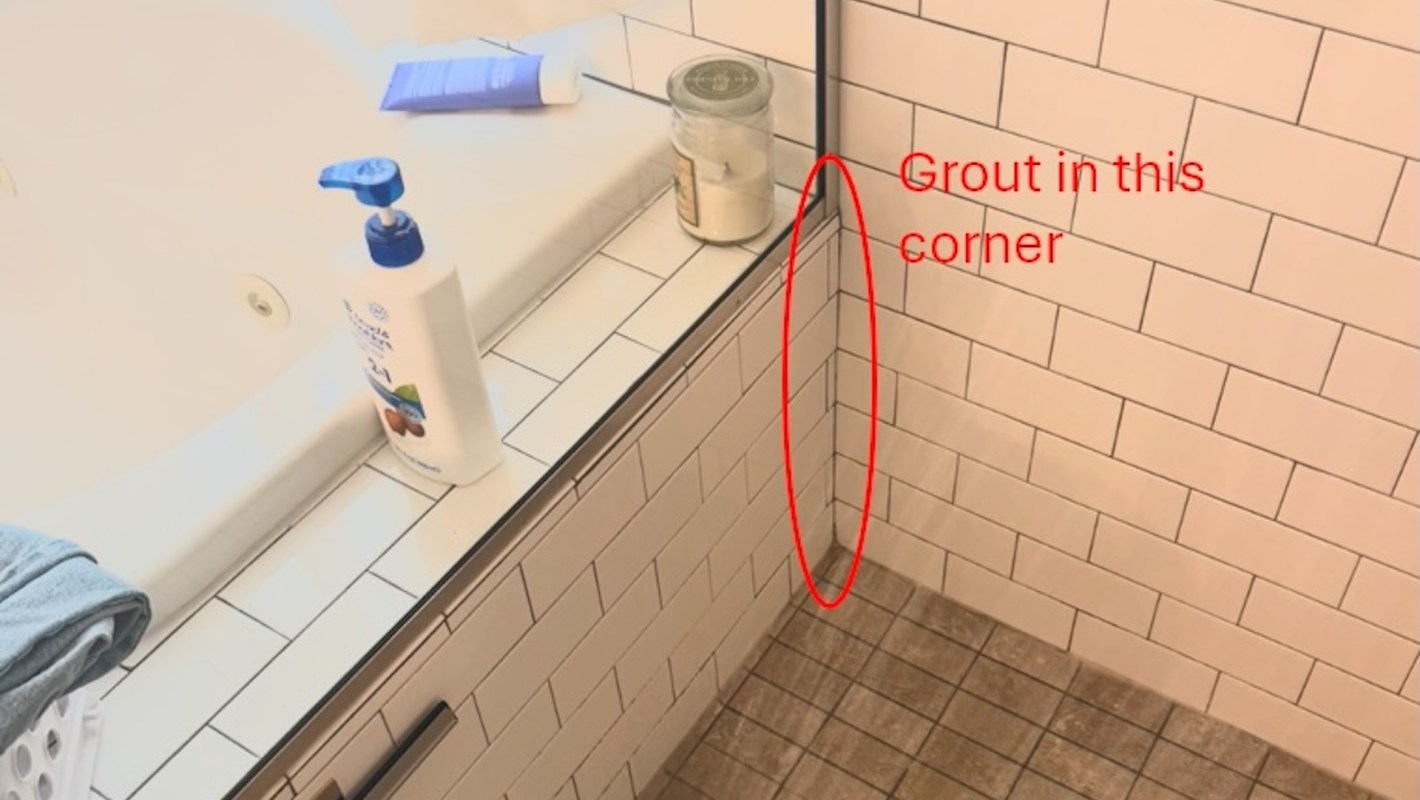
A homeowner trying to figure out whether cracked grout in a shower corner was cosmetic or a sign of a larger problem took to the r/Plumbing subreddit. Silicone belongs in those corners, but it is not what keeps water out.
That distinction is important for anyone hoping a bathroom touch-up will stop a leak before it turns into an expensive project.
Here's what to know
The user asked whether the grout should be removed and replaced with silicone after a leak.
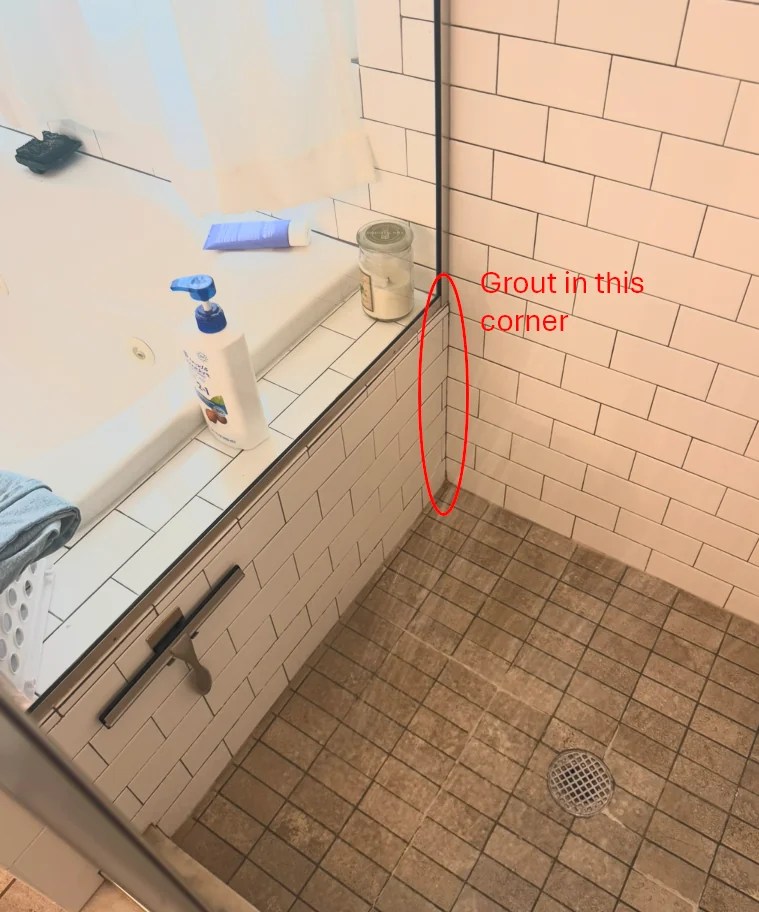
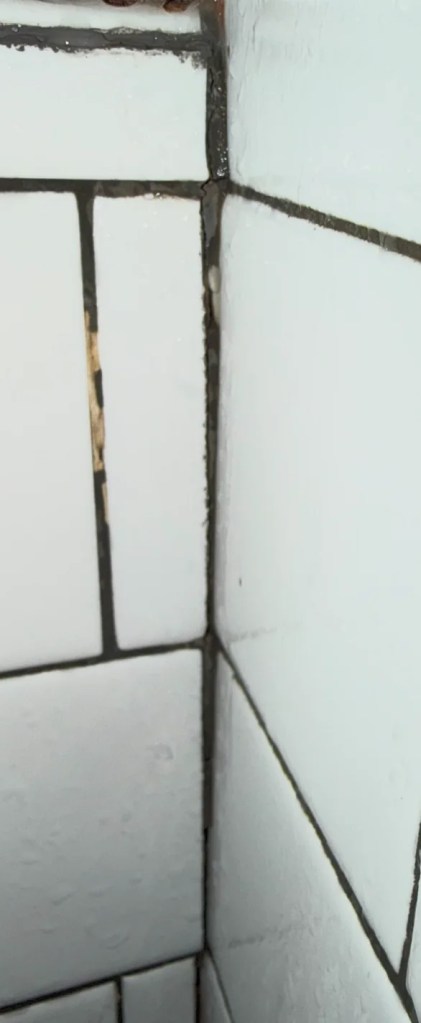
The original poster said a few professionals had already applied "a Band-Aid" and asked, "Should I scrape out this grout and apply silicone, or am I backward?"
Users said that where two tiled surfaces meet, a flexible joint is generally preferred.
"All change of planes should be silicone caulked," one wrote.
TCD Picks » Quince Spotlight
💡These best-sellers from Quince deliver affordable, sustainable luxury for all




Of tile contractors, a self-described plumber said, "Every one of them that was any good caulks the corners."
Because houses shift as they settle, grout in joints can crack. Replacing failed grout with color-matched silicone is usually a much smaller job than dealing with repeated patchwork or cleaning up water damage.
Commenters, however, also drew a firm line between cracked grout and a leak.
More background
"The caulking and grout are not meant to seal the shower," a commenter explained. "There's waterproofing behind the tile. If there's a leak, the waterproofing is bad and needs to be redone. Anything else is temporary."
So, even if the grout was damaged or repaired incorrectly, that does not necessarily explain the leak. Swapping cracked grout for silicone may improve flexibility and appearance and make maintenance easier, but it does not make a shower waterproof.
Recaulking may limit grime buildup and recurring cosmetic cracks, but overlooking moisture behind a wall can lead to damaged drywall, mold growth, or even a tear-out project.
What can be done?
When a problem is limited to cracked grout in a corner, commenters said the fix is to remove the failing material and replace it with a wet-area silicone sealant rather than layering caulk over broken grout.
"On the plus side, easy fix, eh? Grind out the grout, replace with caulk," one wrote.
Users also warned homeowners about staining, soft drywall, and other signs of moisture, suggesting such a problem may be behind tile, where waterproofing should be.
Where can I learn more?
These tips focus on keeping tile clean.
• In many bathrooms, baking soda and hydrogen peroxide can lift shower grout stains without harsh cleaners.
• For dingy tile lines, an easy homemade mix can make dirty grout look noticeably brighter.

Get TCD's free newsletters for easy tips, smart advice, and a chance to earn $5,000 toward home upgrades. To see more stories like this one, change your Google preferences here.






