


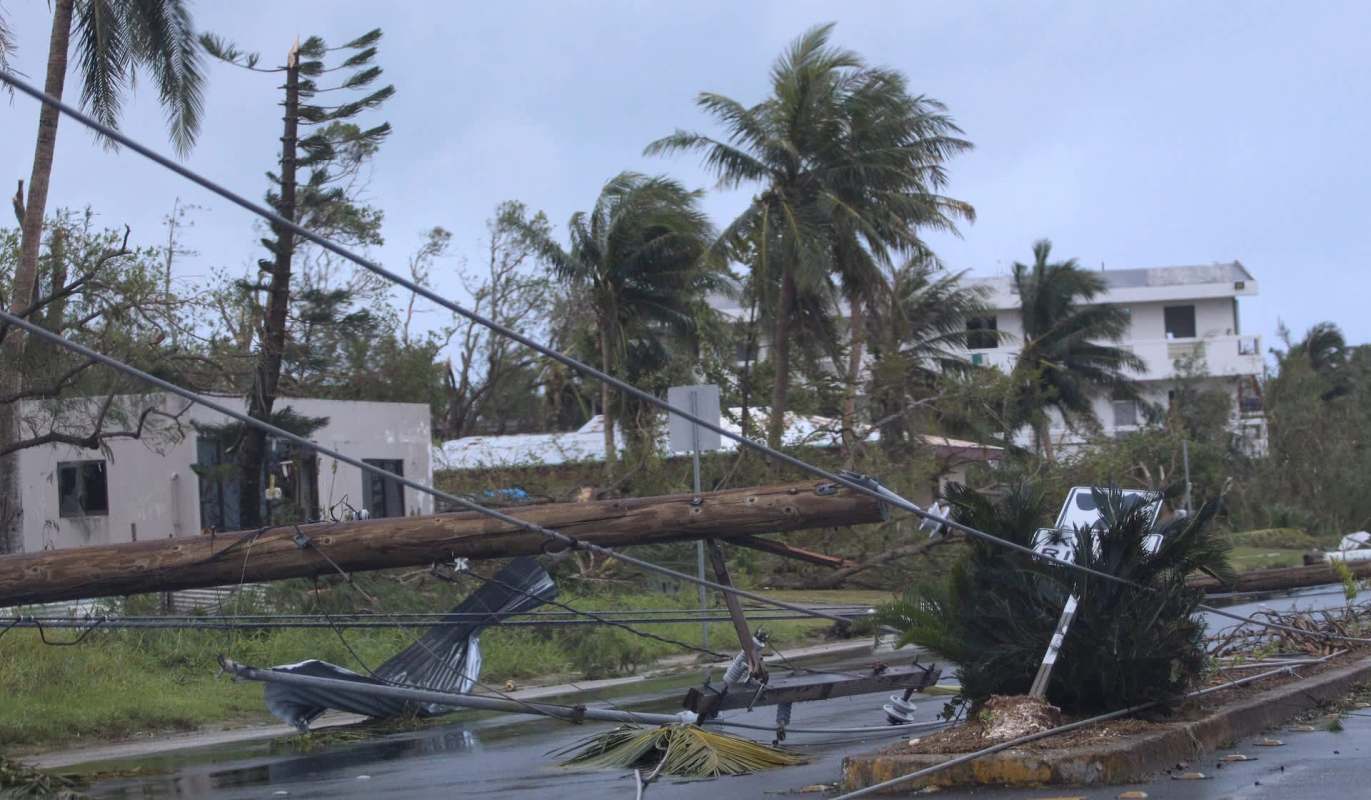
The Commonwealth Utilities Corporation has put forward a three-year proposal to increase utility rates across the Northern Mariana Islands and add a temporary surcharge tied to typhoon recovery, KPRG News reported.
Here's what to know
Before the Commonwealth Public Utilities Commission rules on the filing, hearings are scheduled for Oct. 19-21 in Saipan, Tinian, and Rota. If the plan moves ahead, the first changes would take effect Dec. 1 of this year. There would be additional rate adjustments set for Dec. 1, 2027, and Dec. 1, 2028, according to KPRG.
The first 350 kilowatt-hours a residential customer currently uses costs 2.1 cents each. Under the proposal, that would rise to 2.63 cents per kWh in the first year, 4.20 cents in the second, and 4.70 cents in the third.
Monthly residential electric customer charges would also climb from $7 to $8.75 in year one, $14 in year two and $15.68 in year three. The CPUC said the separate fuel adjustment charge would remain unchanged.
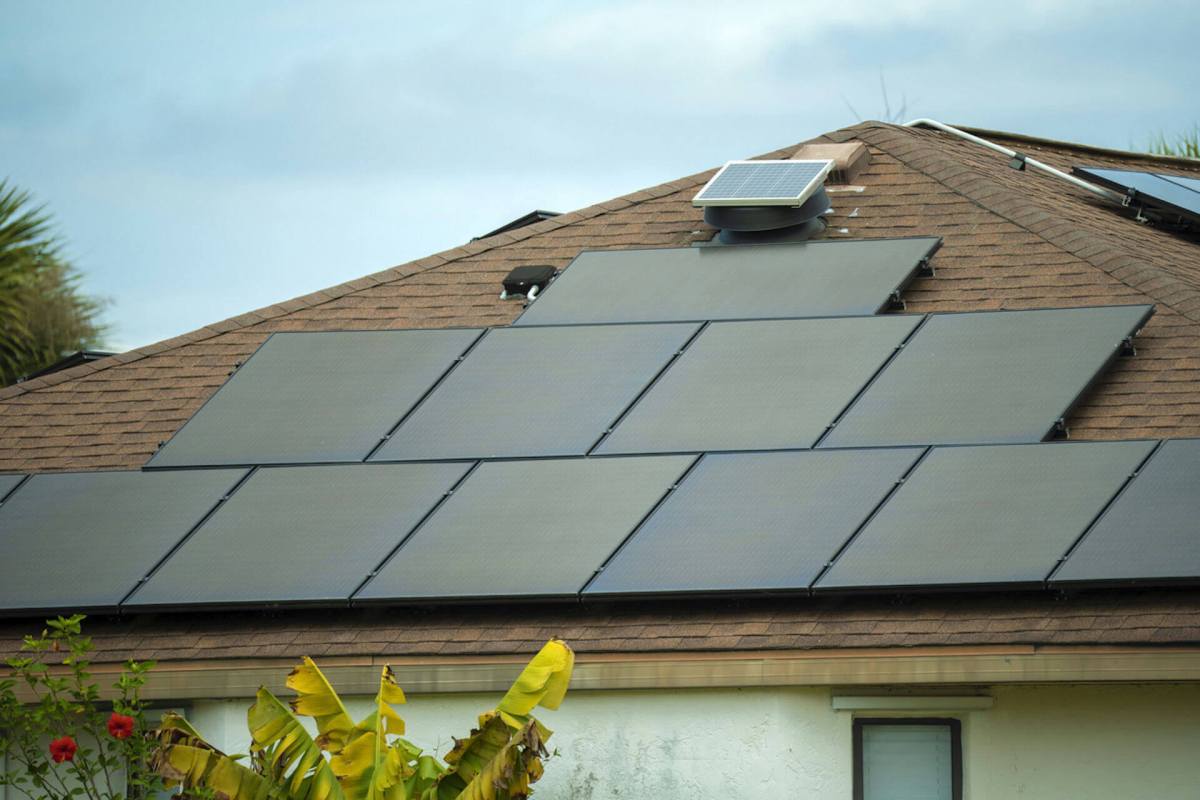
For homeowners who can make a bigger change, going solar is one of the best ways to save money on home energy. Trying EnergySage can help by offering free solar installation estimates and a way to compare quotes.
More background
According to the CPUC, its current revenue no longer covers the cost of service because inflation and other operating expenses have risen. Storms have added to the strain, and there has not been a base-rate increase since 2014, KPRG reported.
The proposal would raise both monthly minimum charges and usage rates for water and wastewater service. It also calls for yearly reductions in the water and wastewater rates billed to the government, the CPUC, and the Commonwealth Ports Authority until those charges match commercial first-block rates in the third year. It would remove a couple of charges for customers as well.
Separately, the CPUC wants permission for a Typhoon Restoration Surcharge meant to collect up to $20 million over 12 months for recovery work tied to Typhoons Sinlaku and Bavi. In the placeholder version, that would add $0.0625 per kWh for electric customers, $1.78 per 1,000 gallons for water customers, and $2.71 per 1,000 gallons for wastewater customers.
Save $10,000 on solar panels without even sharing your phone number Want to go solar but not sure who to trust? EnergySage has your back with free and transparent quotes from fully vetted providers that can help you save as much as $10k on installation. To get started, just answer a few questions about your home — no phone number required. Within a day or two, EnergySage will email you the best local options for your needs, and their expert advisers can help you compare quotes and pick a winner. |

What's being done?
The Oct. 19-21 hearings will give residents, businesses, and local institutions a formal chance to weigh in on the proposed costs or push for changes before the CPUC issues a final ruling.
If you're also experiencing rising utility costs and going solar is an option, EnergySage can help the average person save up to $10,000 on solar purchases and installations. EnergySage's solar map shows the average cost of a home solar panel system and solar incentives in each state. Together, those resources can help homeowners get the best price for rooftop solar panels.
Adding battery storage to a solar setup is also one of the best ways to protect your home during outages, save on energy costs, and go off-grid. For residents considering backup power, EnergySage can provide information on home battery storage options, including competitive installation estimates.
Where can I learn more?
As providers seek approval for higher household bills, people are pushing back.
More From EnergySage
💡Go deep on the latest news and trends shaping the residential solar landscape


• Across the U.S., utilities are seeking record-breaking $31 billion in higher electric rates.
• In Connecticut, Eversource is pushing a $503 million rate hike despite sharp criticism.

Get TCD's free newsletters for easy tips, smart advice, and a chance to earn $5,000 toward home upgrades. To see more stories like this one, change your Google preferences here.






