


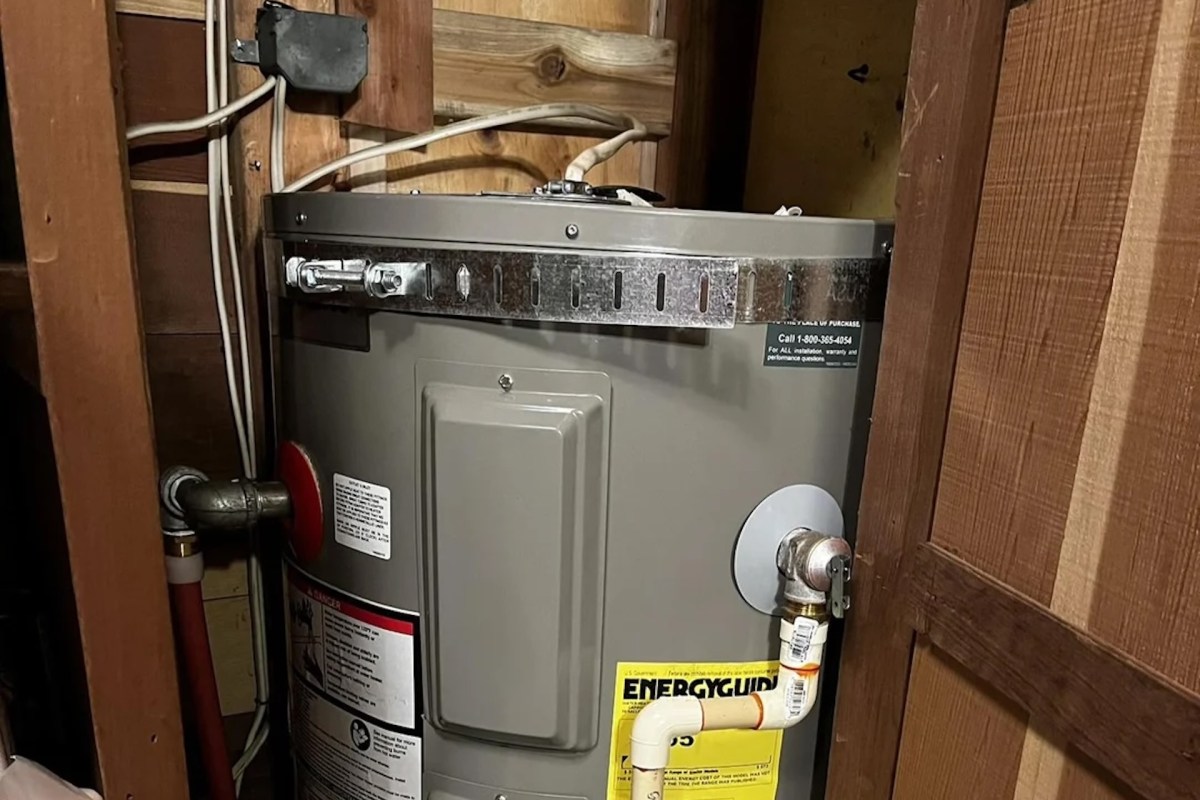
When an electric water heater stopped working at a cabin, the owner was left trying to figure out whether unstable power or an earthquake-strap installation had caused the problem.
But commenters on the r/plumbing subreddit said the likely solution could be far cheaper than replacing the entire unit, as a plumber suggested.
Here's what to know
In a Reddit post, the owner said the electric water heater still wasn't working after multiple reset attempts.
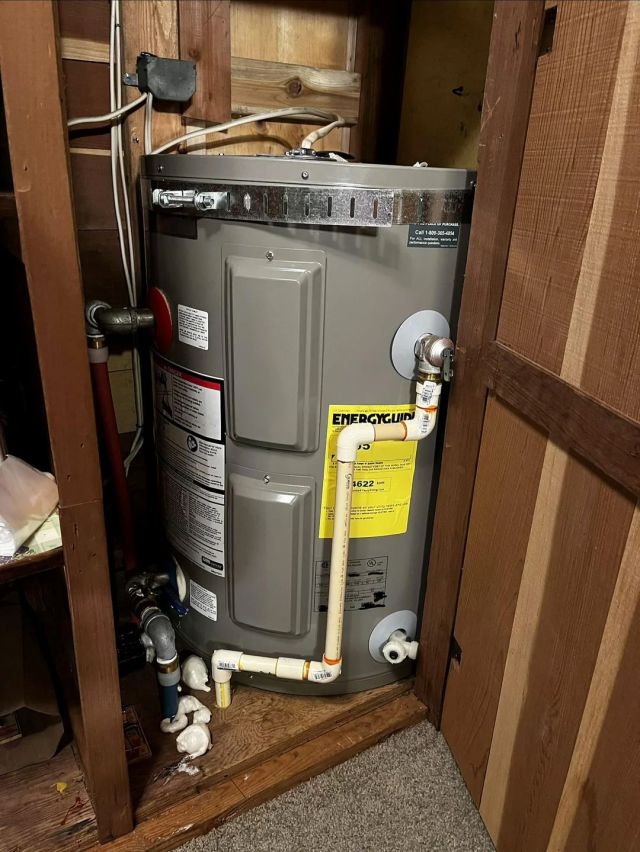
A plumber told them, "It would be cheaper to buy a new water heater than to replace the coil," and the original poster also questioned whether a handyman might have caused the issue during an earthquake strap installation.
That recommendation drew skepticism in the comments.
"He told you to replace because he saw dollar signs," a Reddit user wrote. "The way that is installed will lead to lots of extra charges. Check the elements to see if they are still ok. Change elements and thermostats."
Another commenter said the cost difference could be enormous.
"A full rebuild in material is only about 70 bucks," they estimated. "Two elements and two thermostat controllers."
Save $10,000 on solar panels without even sharing your phone number Want to go solar but not sure who to trust? EnergySage has your back with free and transparent quotes from fully vetted providers in your area. To get started, just answer a few questions about your home — no phone number required. Within a day or two, EnergySage will email you the best options for your needs, and their expert advisers can help you compare quotes and pick a winner. Solar panels can save you more than $50k over their 25-year lifespan, and EnergySage can help you save as much as $10k on installation. Which begs the question — isn't that worth an email or two? |

If a replacement is necessary, a smarter option like a heat pump water heater can deliver savings and greater efficiency that reduce monthly utility bills for years.
More background
Rather than blaming the strap installation, several commenters focused on basic troubleshooting, saying the owner should inspect the heating elements, thermostats, wiring, and power continuity.
The original poster added another useful clue in a follow-up.
"Oh we did also have rodent issues… I will also check the wires!" they mentioned.
A few commenters said the key question is whether the tank itself is leaking. If it is not, repair may be the cheaper first option. One commenter said, "Now if it's a 10+ year old tank, I probably wouldn't pay a company 800 to replace those parts," while adding that a do-it-yourself repair could cost closer to $30.
What can be done?
Before agreeing to replace the unit, it helps to find out whether the tank is leaking at all. If the tank is intact, it may make sense to get prices for replacement elements and thermostats first, especially on an electric model.
The thread also suggested asking for a specific diagnosis rather than accepting a general recommendation to swap out the heater. Multiple commenters said failed elements are common and relatively straightforward to fix, while damaged wiring, sediment buildup, or skipped maintenance can also hurt performance.
In the discussion, several commenters were still steering the owner toward the simpler repair path first. As one commenter put it, "If the tank isn't leaking, you can simple replace those."
The original poster shared an update: "Thank you, all, I will start with the heating elements!"
For people who do need a new system, Cala offers smart heat pump water heaters designed to turn a replacement into a long-term cost-cutting upgrade.
Cala's customizable smart heat pump water heaters help homeowners decrease their energy bills by heating water exactly when it's needed. That means less wasted energy, lower operating costs, and a better fit for real household routines than a standard tank that heats water less strategically.
Where can I learn more?
If a repair call turns into a replacement decision, here's how other homeowners handled the next step.
• One homeowner found a $650-750 instant rebate in their state after a leak forced replacement.
• Homeowners with failing tanks found an ultra-efficient replacement could cut annual energy bills by nearly $500.

Get TCD's free newsletters for easy tips, smart advice, and a chance to earn $5,000 toward home upgrades. To see more stories like this one, change your Google preferences here.






