


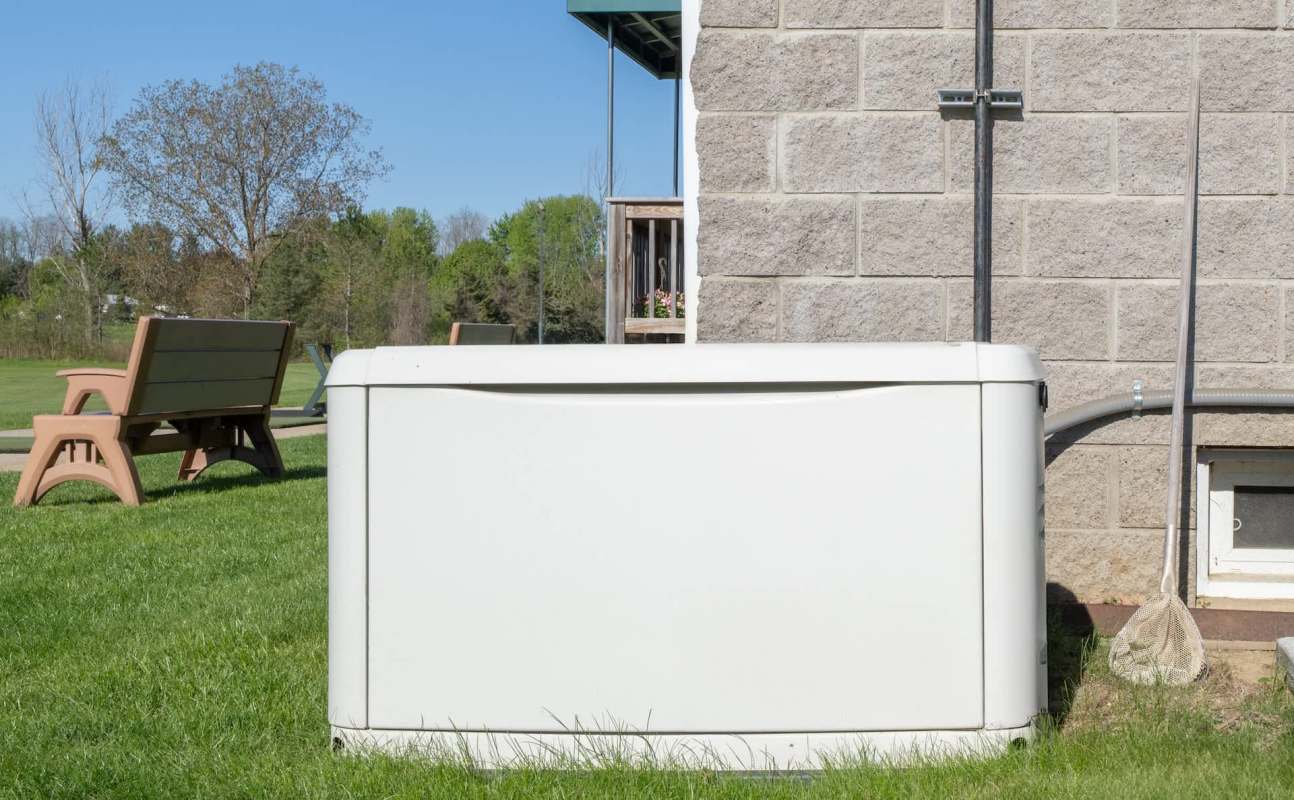
After an ice storm knocked out power for a week and burst pipes under a year-round pool, one homeowner began comparing two backup-power bids: about $22,436 for a whole-home generator or roughly $3,110 for a portable-generator connection.
"We definitely could afford a whole home generator, but do we WANT to spend that money? Not really," the homeowner explained.
Here's what to know
According to a post on Reddit's r/Generator, the property includes a 3,300-square-foot home, a 600-square-foot guest house and garage, and a small pool. The owner said the backup-power goal is to keep water circulating through the pool during winter storms to help prevent another pipe failure while also powering either the guest house or selected appliances and electronics in the main house, along with both HVAC units.
Much of the feedback framed the decision as a tradeoff between automation and price.
"Whole house generator is simple. It comes on automatically and goes off automatically," one commenter wrote.
People who discussed portable units said the lower upfront cost also means moving the generator into place, connecting it, handling fuel, and accepting limits on how much it can run.
Those bids are far apart. Based on the contractor's quotes, going with the portable-inlet option instead of the whole-home system would cut the upfront cost by about $19,300. Commenters said that savings may come with drawbacks, including more hands-on work, more fuel planning, and fewer choices during a prolonged outage.
For homeowners looking beyond generators, going solar is also one of the best ways to save money on home energy over time. Services such as EnergySage can help people get free solar installation estimates and compare quotes before deciding.
Save $10,000 on solar panels without even sharing your phone number Want to go solar but not sure who to trust? EnergySage has your back with free and transparent quotes from fully vetted providers that can help you save as much as $10k on installation. To get started, just answer a few questions about your home — no phone number required. Within a day or two, EnergySage will email you the best local options for your needs, and their expert advisers can help you compare quotes and pick a winner. |

More background
Before making a purchase, several commenters said homeowners should first figure out the electrical load that needs to be covered. They also suggested confirming whether the main-house setup can support the guest house, since the existing wiring could determine what is feasible regardless of budget.
Another issue raised in the discussion was how hard it can be to keep a generator fueled during a long emergency. People who had been through extended outages talked about waiting in gas lines, going outside their neighborhoods to find refills, and manually cycling power use to stretch limited fuel. In that scenario, the cheaper option can also become the more stressful one if roads are blocked or severe weather continues.
What can be done?
A sensible starting point is to define the must-run equipment: pool circulation, plus either the guest house or certain appliances and electronics in the main house, and whatever HVAC operation is necessary. That can help a homeowner avoid paying for more generator than needed — or choosing a portable setup that cannot do enough.
If solar is part of the comparison, EnergySage's solar map shows the average cost of a home solar panel system by state, along with details on solar panel incentives in each state. With EnergySage's help, the average person can save up to $10,000 on solar purchases and installations. Together, those tools can help homeowners get the best price for rooftop solar panels and access available incentives.
More From EnergySage
💡Go deep on the latest news and trends shaping the residential solar landscape
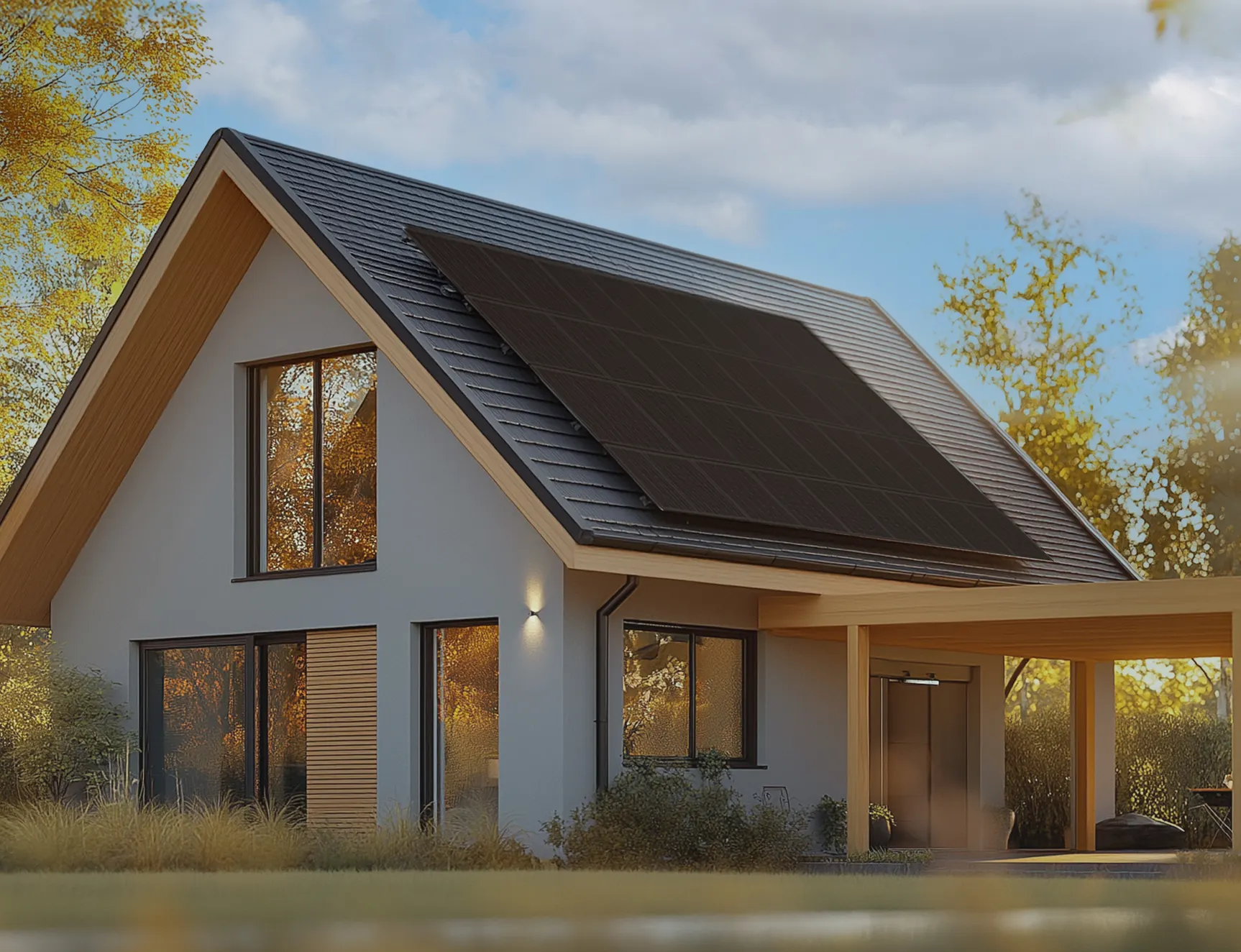
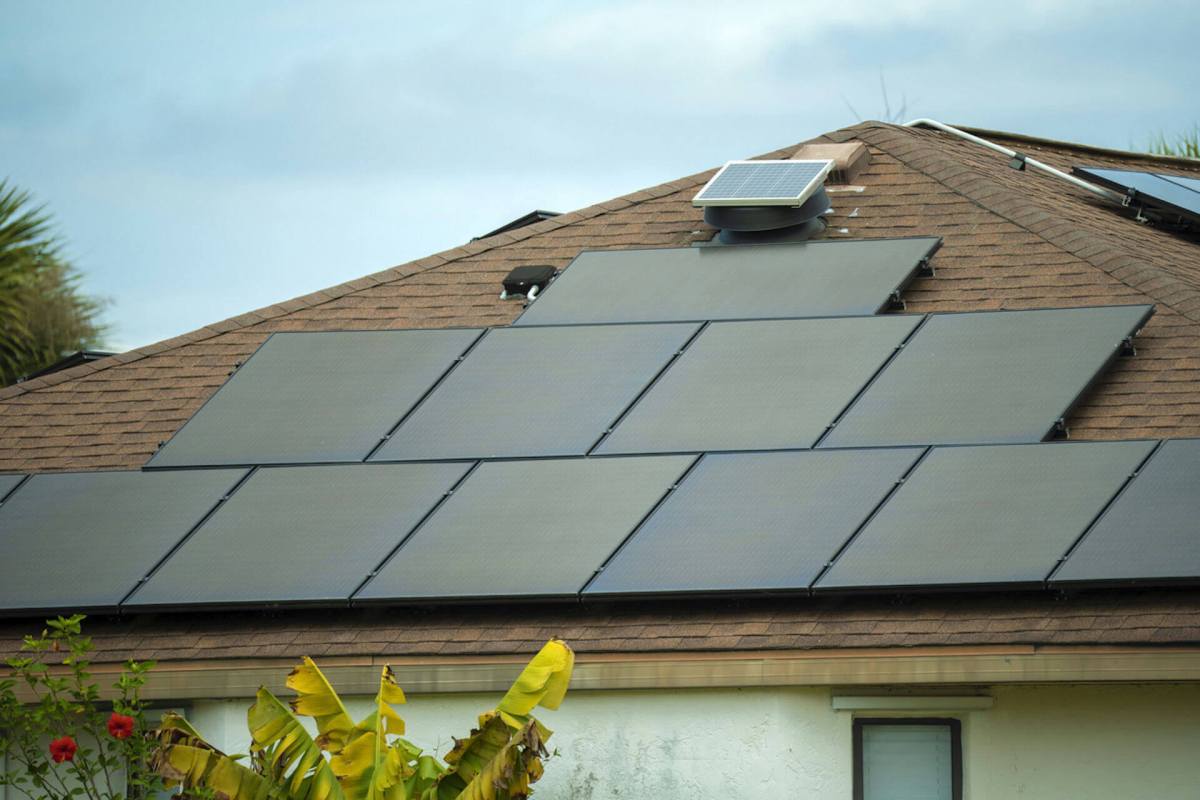
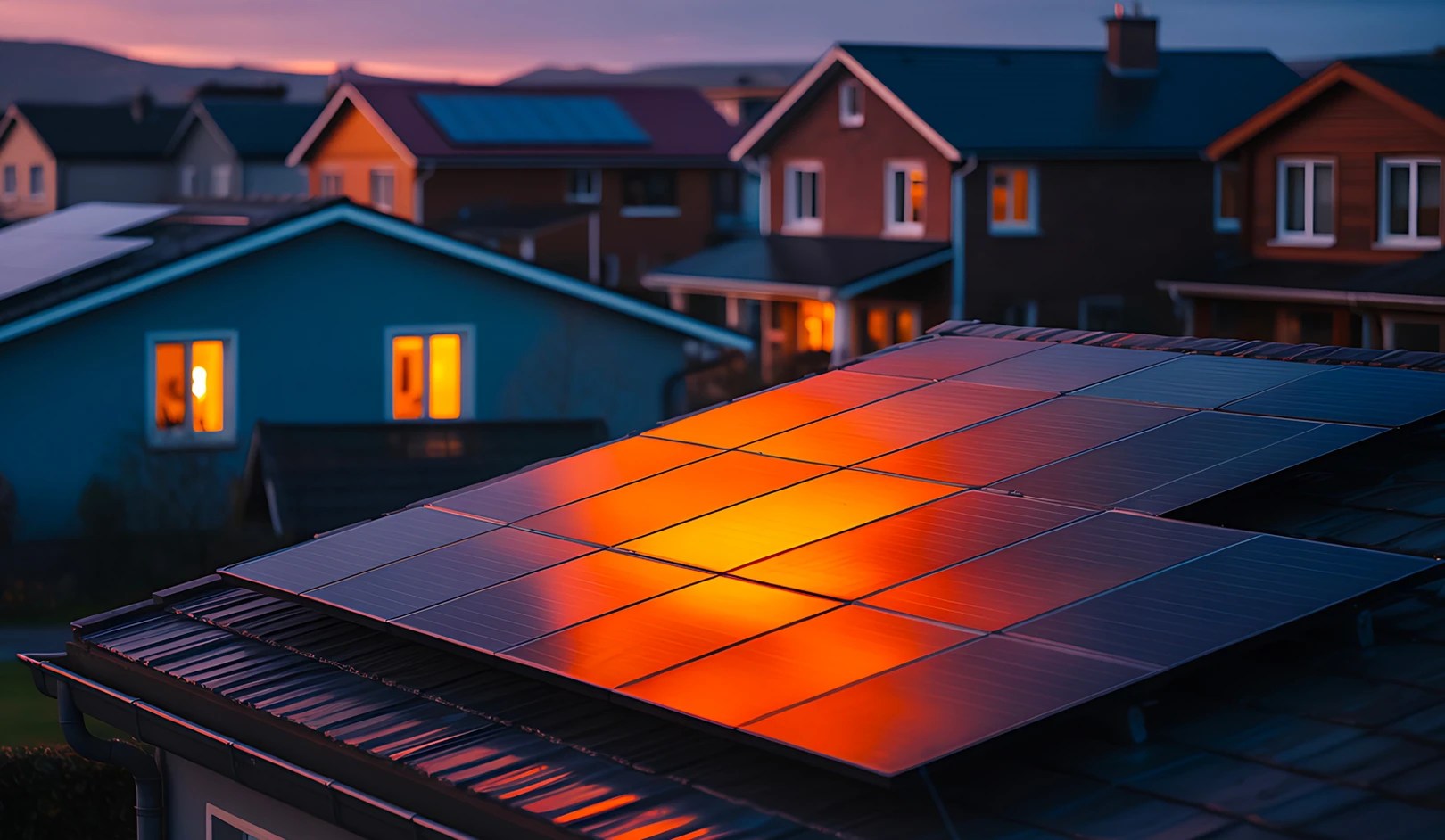

Adding battery storage to a solar setup is one of the best ways to protect your home during outages, save money on energy, and go off-grid. It can also keep critical equipment running without requiring someone to drag out a generator in severe weather. Homeowners can explore EnergySage for information about home battery storage options, including competitive installation estimates.
Where can I learn more?
• After three sweltering days offline, one homeowner chose a portable propane generator over standby power.
• After repeated outages, a parent needed fridges plus 2 ACs and winter heaters powered.
• After Hurricane Beryl, experts warned that carbon monoxide poisoning risks can follow generator use.
• Homeowners are increasingly turning to home backup battery systems instead of old generators.
• Energy experts say families are replacing gas units with safer home battery upgrades for outages.

Get TCD's free newsletters for easy tips, smart advice, and a chance to earn $5,000 toward home upgrades. To see more stories like this one, change your Google preferences here.






