


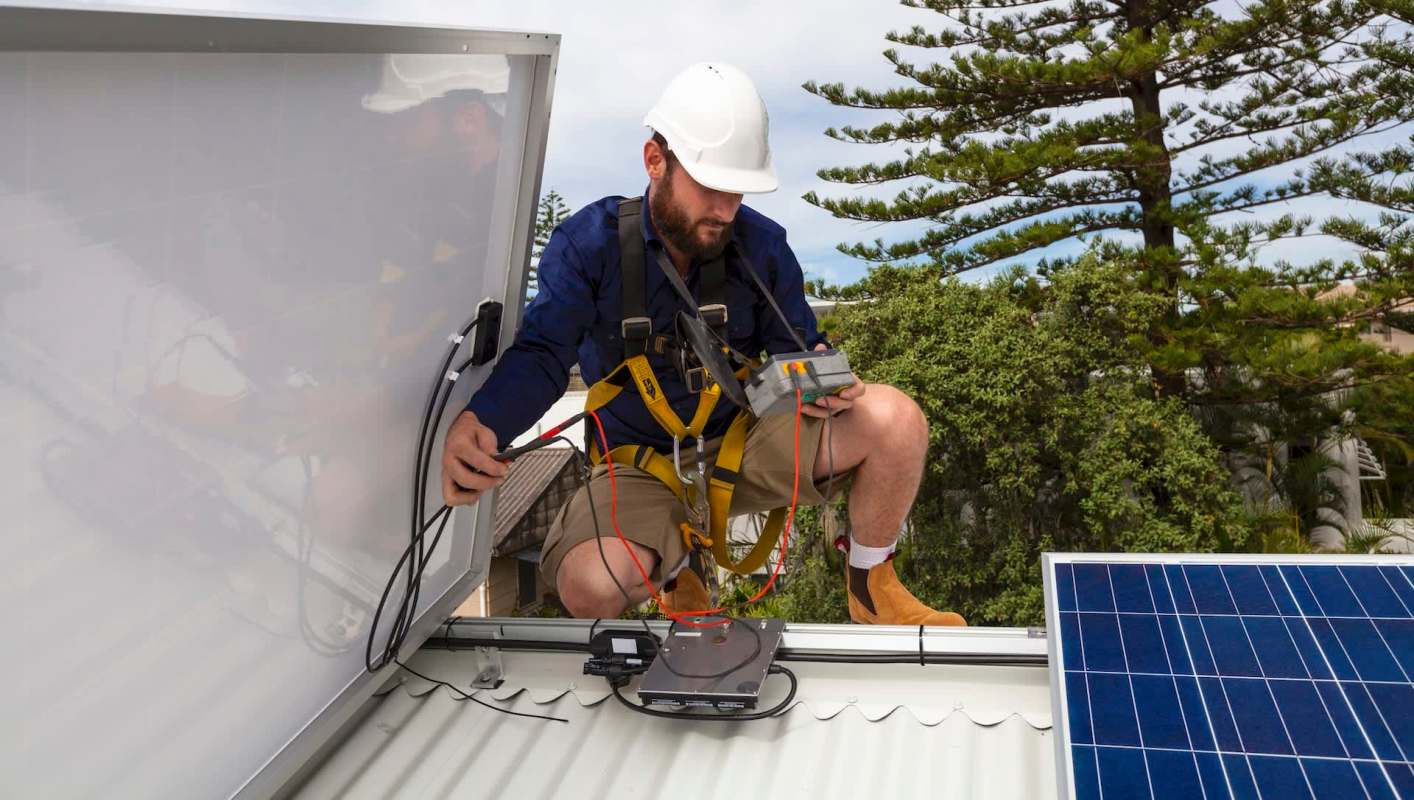
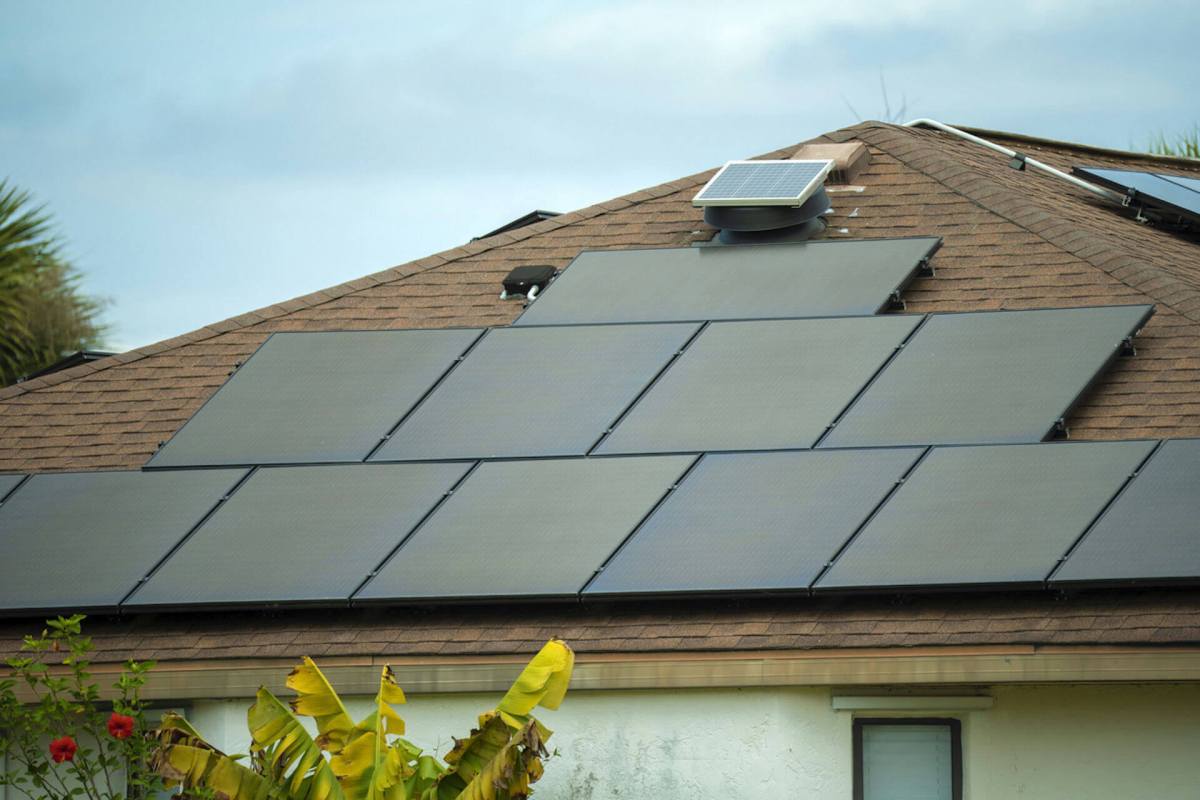
A homeowner with a 10-year-old, 36-panel solar system said in a Reddit thread that the array was "not working right" even though both inverters still showed green lights and no error codes.
The installer wanted $2,000 just to inspect the panels, and with the monitoring system discontinued, the owner had little visibility into what was causing the problem.
Here's what to know
Because of the discontinued monitoring, the owner said it is much harder to tell whether the issue is coming from the panels, the wiring, or the inverters.
The LG panels may still be under warranty, but labor is not, so diagnosing and repairing the problem could still mean out-of-pocket costs.
Several replies said the lack of detailed production data is what makes older string systems so difficult to troubleshoot.
"If you have access to the wiring, getting an ac/dc amp clamp to take measurements is probably your cheapest way forward," one commenter wrote.
The suggestion was to determine what amperage and voltage each string should produce, compare those targets with real measurements, and then check the inverter output to see whether the shortfall is happening on the panel side or after conversion.
"2k seems excessive... I can understand a few hundy... but dang..." another commenter wrote.
Save $10,000 on solar panels without even sharing your phone number Want to go solar but not sure who to trust? EnergySage has your back with free and transparent quotes from fully vetted providers that can help you save as much as $10k on installation. To get started, just answer a few questions about your home — no phone number required. Within a day or two, EnergySage will email you the best local options for your needs, and their expert advisers can help you compare quotes and pick a winner. |

Using EnergySage to get free solar installation estimates and compare quotes can help you avoid overpaying from the start.
More background
A system can still be generating power while underperforming, and if the software or hardware used to track production is no longer supported, owners may have little visibility into how much energy they are actually losing.
Even a modest drop in output can chip away at the savings that made solar worthwhile in the first place. Older arrays may also rely on equipment that is harder to replace with exact matches, which can complicate warranty claims even when the panels are technically covered.
Some commenters said the older equipment might still be reachable, whether through the SMA360 app, a web box, or a local connection. But another person stressed that finding a fault on a string system is serious business: "Those strings are hundreds of volts dc with no protection most likely."
More From EnergySage
💡Go deep on the latest news and trends shaping the residential solar landscape


The do-it-yourself route may save money, but only for people with the right tools and electrical experience.
What can be done?
For owners of aging systems, the first step is often to confirm whether monitoring can be restored before paying for a full inspection.
Before agreeing to an expensive service call, Reddit users recommended trying to access the older hardware through SMA360, a web box, or a direct laptop connection. If none of those options work, getting a second opinion from another solar technician or electrician could help avoid an inflated diagnostic bill.
If you're shopping for a new system or planning major upgrades, comparison shopping can make a big financial difference.
With EnergySage's help, the average person can save up to $10,000 on solar purchases and installations. EnergySage's solar map shows the average cost of a home solar panel system on a state-by-state level, as well as details on solar panel incentives for each state. Together, those resources can help homeowners get the best price for rooftop solar panels and access available incentives.
Adding battery storage to a solar setup is one of the best ways to protect your home during outages, save money on energy, and go off grid. Homeowners can explore EnergySage for information about home battery storage options, including competitive installation estimates.
Where can I learn more?
Solar savings can get a lot harder to track when monitoring fails, utility billing gets messy, or the original sales pitch doesn't match reality.
• A North Carolina homesteader had no clue the solar meter had failed until a repair crew uncovered the problem.
• In South Carolina, a $150 bill said 900 kWh came from the grid despite app exports.
• One solar owner was left furious after receiving 'ridiculous' charges from a utility despite having panels.
• In Ohio, a homeowner signed for solar and learned net metering may leave half the bill untouched.

Get TCD's free newsletters for easy tips, smart advice, and a chance to earn $5,000 toward home upgrades. To see more stories like this one, change your Google preferences here.






