


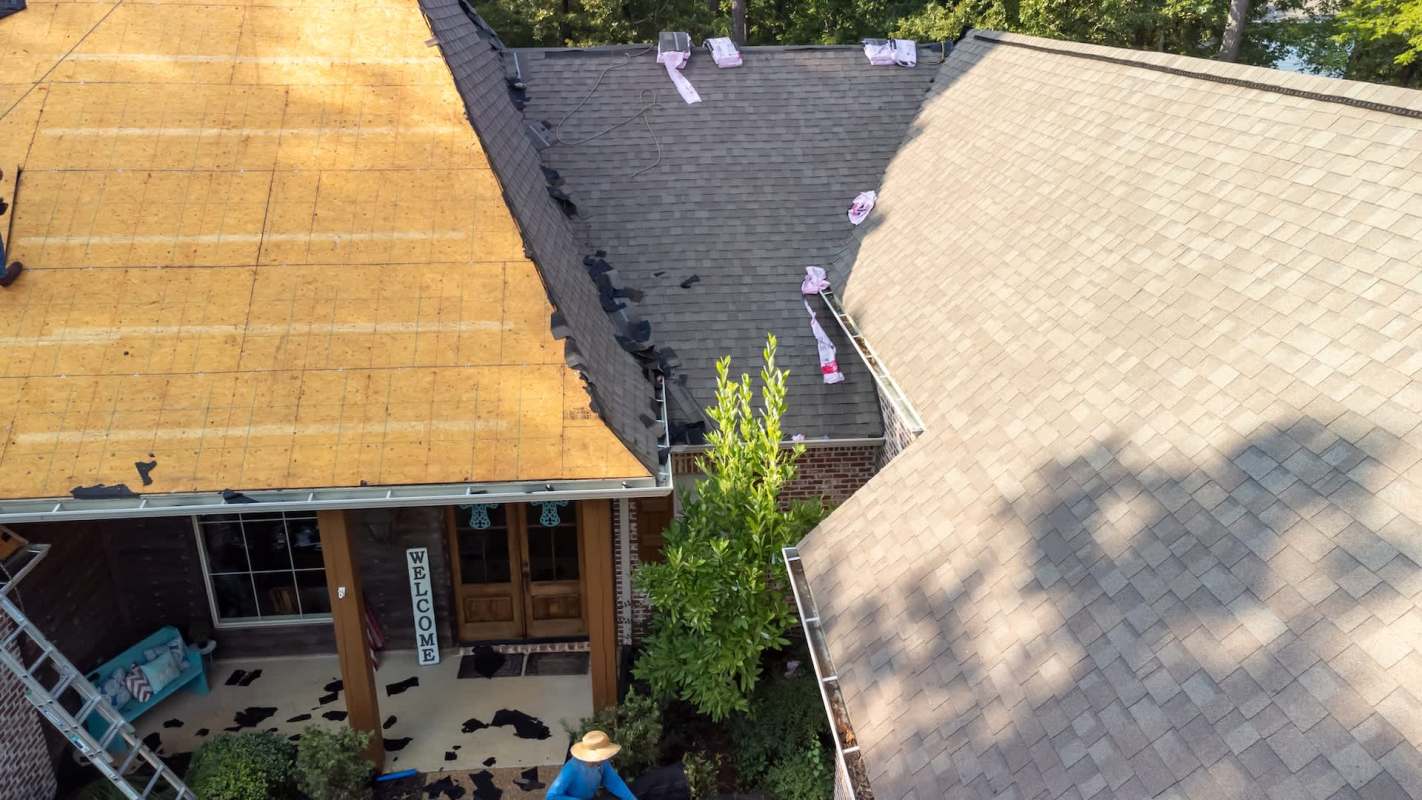
A new roof is among the most expensive repairs homeowners can face. Contractors in the Tampa, Florida, area say those costs are climbing as petroleum-based materials, tariffs, and shipping expenses all rise at once.
That combination is putting pressure on both roofing companies and homeowners, especially in a state where storm damage and aging roofs can quickly turn a replacement from an option into a necessity.
Here's what to know
According to Bay News 9, roofers in Tampa said several overlapping pressures are driving up the cost of replacing a roof.
"Right now we are holding firm, but every day is a challenge," said Ryan Westfall, the president of Westfall Roofing.
Bay News 9, citing Verisk Analytics, reported that the typical U.S. roof replacement cost in 2025 was 33% above the previous four-year average. The outlet also said that figure is projected to climb another 4% to 6% in 2026.
The price pressure starts with basic roofing inputs, Westfall said. "Obviously we work with raw goods every day; shingles are a petroleum-based product," he said. "We use a lot of metal on a roof, and tariffs and all those things do affect those prices."
TCD Picks » Quince Spotlight
💡These best-sellers from Quince deliver affordable, sustainable luxury for all




Michael Coon, an economics professor at the University of Tampa, said roofers are being squeezed on several fronts at once, with higher oil prices, freight expenses, and tariffs on building materials from Canada combining into what he called "quite a perfect storm of things coming into their industry."
More background
A new roof is rarely a cosmetic purchase. In Florida, roofs are routinely exposed to extreme heat, heavy rain, and hurricane threats, which means replacement often cannot be postponed for long without leading to even bigger repair costs.
Beyond material prices, Westfall pointed to freight and sourcing as another burden.
"Our suppliers are actually the ones that ship the products over to our job sites, but a lot of stuff comes from Canada, overseas, and the shipping costs coming from overseas," he said.
Coon said rising oil prices hit the industry in two ways, by raising the cost of tar- and petroleum-based materials and by making shipping more expensive.
It reflects a chain of rising expenses that stretches from raw materials to transportation to final installation.
What's being done?
Westfall said his company is taking on some of the higher costs while also trying to operate more efficiently.
He said size can matter in this environment, because larger firms may have more leverage with suppliers and some room to keep price increases in check.
Westfall said that advantage applies to his own company: "For a lot of contractors it is. But we are grateful enough to be one of the larger roof companies in this area, so we do a lot of things to scale. That does give us the ability to negotiate pricing with our suppliers, and we do look for opportunities to push those prices down to our homeowners."
Where can I learn more?
For homeowners weighing a roof replacement, some of the same financial strain is showing up in solar projects and insurance coverage. These articles cover rooftop solar decisions, climate-driven insurance pullbacks, and other expenses squeezing household budgets.
• Tesla owners say Solar Roofs earn $350 monthly with rooftop panels and Powerwall batteries.
• In the Mid-Atlantic, narrow roof and historic rules are complicating one homeowner's solar plans.
• Contractors say solar-ready home design is helping new buyers avoid bigger future energy costs.

Get TCD's free newsletters for easy tips, smart advice, and a chance to earn $5,000 toward home upgrades. To see more stories like this one, change your Google preferences here.






