


A DIY solar concept on Reddit is drawing attention for one simple reason: It aims to store daytime solar energy as heat for less than $200.
However, while the low-cost pitch appealed to plenty of readers, commenters quickly argued that the proposed concrete core could create more problems than it solves.
Here's what to know
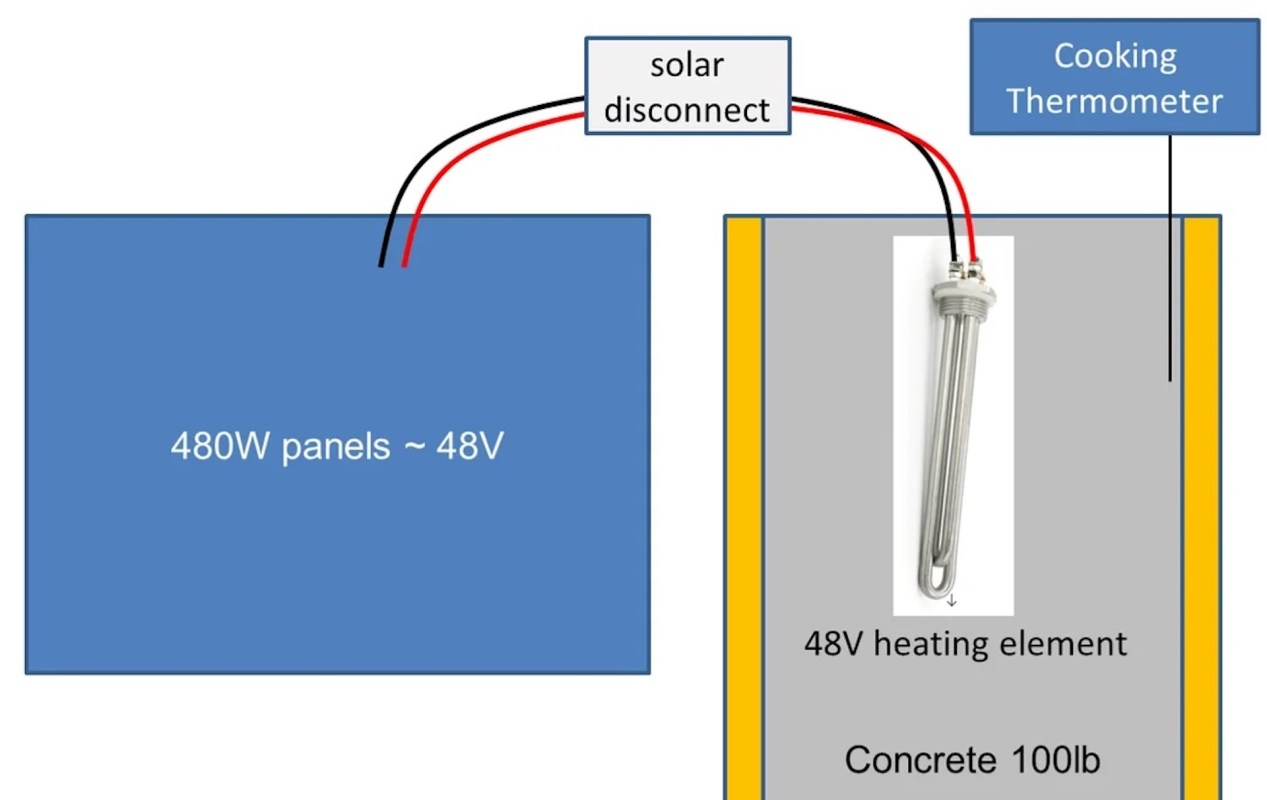
Instead of storing solar power in conventional equipment, the plan would convert that energy directly into heat. The setup centers on a homemade "thermal battery" using solar panels, a heating element embedded in concrete, and a terracotta pot meant to give off warmth gradually.
"Inverters, batteries, and heat pumps are not needed," the original poster wrote. "[...] The total cost is expected to be less than $200."
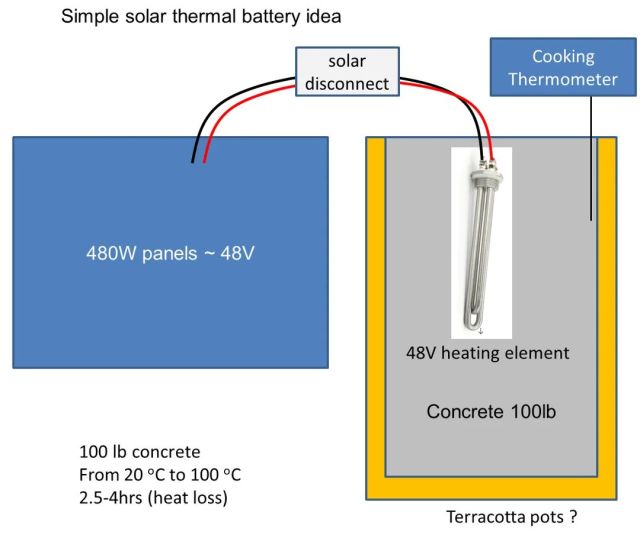
"I'd be concerned that it would crack open or even explode from uneven heat expansion," one commenter wrote.
For anyone interested in saving on energy bills, going solar is one of the best ways to do it. You can try EnergySage to get free solar installation estimates and compare quotes.
More background
Rather than save electricity for later use, the concept would use solar-generated power to run a resistance heater and hold that heat in a material that cools slowly. In theory, that approach could provide a cheaper way to store warmth for someone who does not want a full battery system.
Much of the criticism centered on the storage medium. Commenters said sand would be easier to repair or service, while others argued that water would hold far more heat at a much lower cost than concrete.
Save $10,000 on solar panels without even sharing your phone number Want to go solar but not sure who to trust? EnergySage has your back with free and transparent quotes from fully vetted providers that can help you save as much as $10k on installation. To get started, just answer a few questions about your home — no phone number required. Within a day or two, EnergySage will email you the best local options for your needs, and their expert advisers can help you compare quotes and pick a winner. |

"Water has way higher heat capacity than concrete (and is cheaper)," one commenter wrote.
Some replies focused less on concrete versus sand and more on how the heater would work with the panels.
"The big thing this is missing is a way to alter the resistance or power level of the heater," another commenter noted, adding that fixed-resistance heating may not draw power from solar panels efficiently.
In an update, the OP said they were willing to adjust the design, adding that they may try concrete with metal rods or mesh first before switching approaches if needed.
More From EnergySage
💡Go deep on the latest news and trends shaping the residential solar landscape

"If it doesn't work then probably go with sand," they wrote.
What can be done?
Heat storage can be inexpensive, but material choice, repair access, and electrical matching all matter if the goal is safe, useful performance.
For homeowners who decide rooftop solar is the better long-term move, EnergySage can be a valuable resource. With EnergySage's help, the average person can save up to $10,000 on solar purchases and installations. EnergySage's solar map shows the average cost of a home solar panel system by state, along with details on solar panel incentives for each state. Together, those resources can help homeowners get the best price for rooftop solar panels and access available incentives.
Adding battery storage to a solar setup is also one of the best ways to protect your home during outages, save money on energy, and go off grid. Homeowners interested in that route can explore EnergySage for information about home battery storage options, including competitive installation estimates.
Where can I learn more?
If this Reddit concept caught your attention, these stories also look at thermal storage and solar heating beyond conventional batteries.
• Heatcube began as aid for African farmers and became a low-cost, long-duration energy storage system.
• Researchers developed a game-changing method for storing solar energy using extremely cheap sulfur.
• A startup unveiled its revolutionary method of energy storage with enough heat for 200 homes.
• At MIT, engineers are working to transform concrete into batteries that can power homes.
• At the University of Nottingham, a simple design change could dramatically improve solar heating.

Get TCD's free newsletters for easy tips, smart advice, and a chance to earn $5,000 toward home upgrades. To see more stories like this one, change your Google preferences here.






