


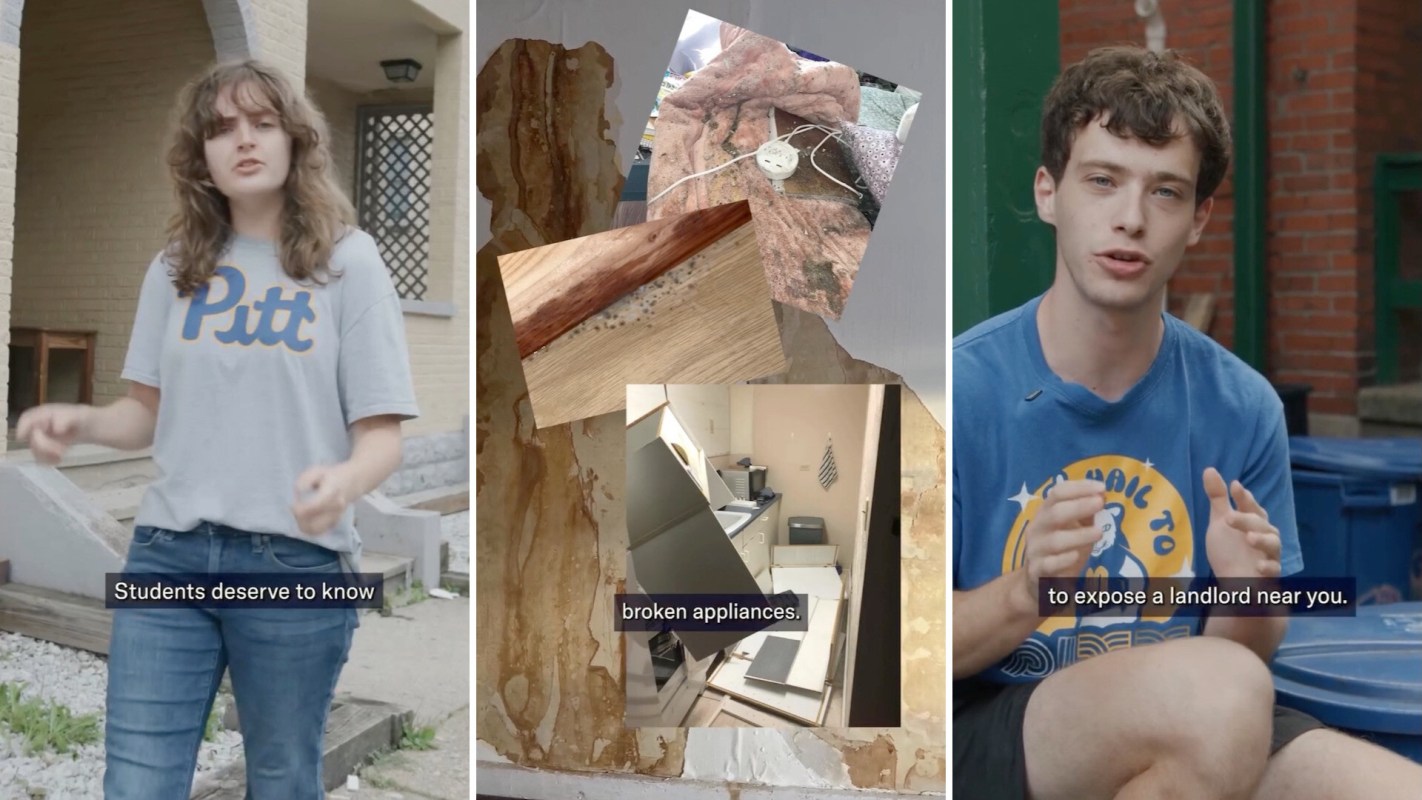
College renters often sign a lease before they know whether a landlord ignores mold, delays repairs, or piles on extra fees. A student-led project that began in Pittsburgh is trying to change that by making landlord behavior harder to hide.
Called Rate Your Landlord, the project gives students a place to share information before choosing off-campus housing and to alert future renters when something goes wrong.
Here's what to know
In an Instagram post, More Perfect University (@moreperfectuniversity) introduced Rate Your Landlord as "a space for student tenants to investigate local landlords, inform fellow tenants on the reality of renting in our communities, and hold greedy landlords accountable."
The video noted landlords take advantage of student renters' inexperience and the turnover in college housing. "It's a rip-off, and they think they can get away with it because this is your first time as a tenant and you don't know any better," one person in the video said. The post noted students spend thousands of dollars on "substandard housing," naming unsafe living conditions, price gouging, unaddressed repairs, and junk fees.
Another person in the video said the project had collected "over 400 reviews across hundreds of Pittsburgh landlords" and was growing nationwide through campus chapters. Students can use the platform to rate landlords on categories including communication, maintenance, and respectfulness.
"This is awesome. I so could've used this when I was at Pitt!" one commenter said.
TCD Picks » Quince Spotlight
💡These best-sellers from Quince deliver affordable, sustainable luxury for all




Another user said, "Nothing replaces in-person tenant union organizing too."
More background
Housing problems such as leaks, mold, and ignored maintenance requests can create stress for students and affect health, safety, finances, and even academic performance, especially when renters feel they have little leverage or do not understand their rights.
In college towns, rapid turnover can make those problems even harder for first-time tenants to navigate. A unit with a history of poor upkeep may be rented again quickly, leaving the next student unaware of what the last tenant went through.
"Such an awesome idea!" one commenter said. "My coworker who is a recent grad was showing me her cute periwinkle bathroom, but that led into why she was painting it. The ceiling in her bathroom fell in and pretty much destroyed everything. She warned her landlord it was going to happen multiple times...he ignored her."
What can be done?
Someone else in the video said students who want to launch a chapter can get "the code base, media support, and infrastructure that you need to expose a landlord near you."
Renters looking to save money may have options beyond accepting restrictive rules. If a lease or community policy bans growing food or drying laundry, tenants may be able to work with landlords or neighborhood boards to update those standards.
Another commenter said: "Good job to these kids. Fight for your rights."
Where can I learn more?
For more on the kinds of problems tenants run into, these stories look at how renters in other places are dealing with difficult landlords and unsafe conditions.
• In Arizona, lawmakers pushed new indoor temperature protections after renters faced dangerous heat at home.
• A tenant said an unacceptable AC system turned a basic rental into a health risk.
• In Texas, a landlord refused a simple air conditioning request despite punishing summer temperatures.
• Texas now requires landlords to notify renters when homes carry serious flood risk.

Get TCD's free newsletters for easy tips, smart advice, and a chance to earn $5,000 toward home upgrades. To see more stories like this one, change your Google preferences here.






