


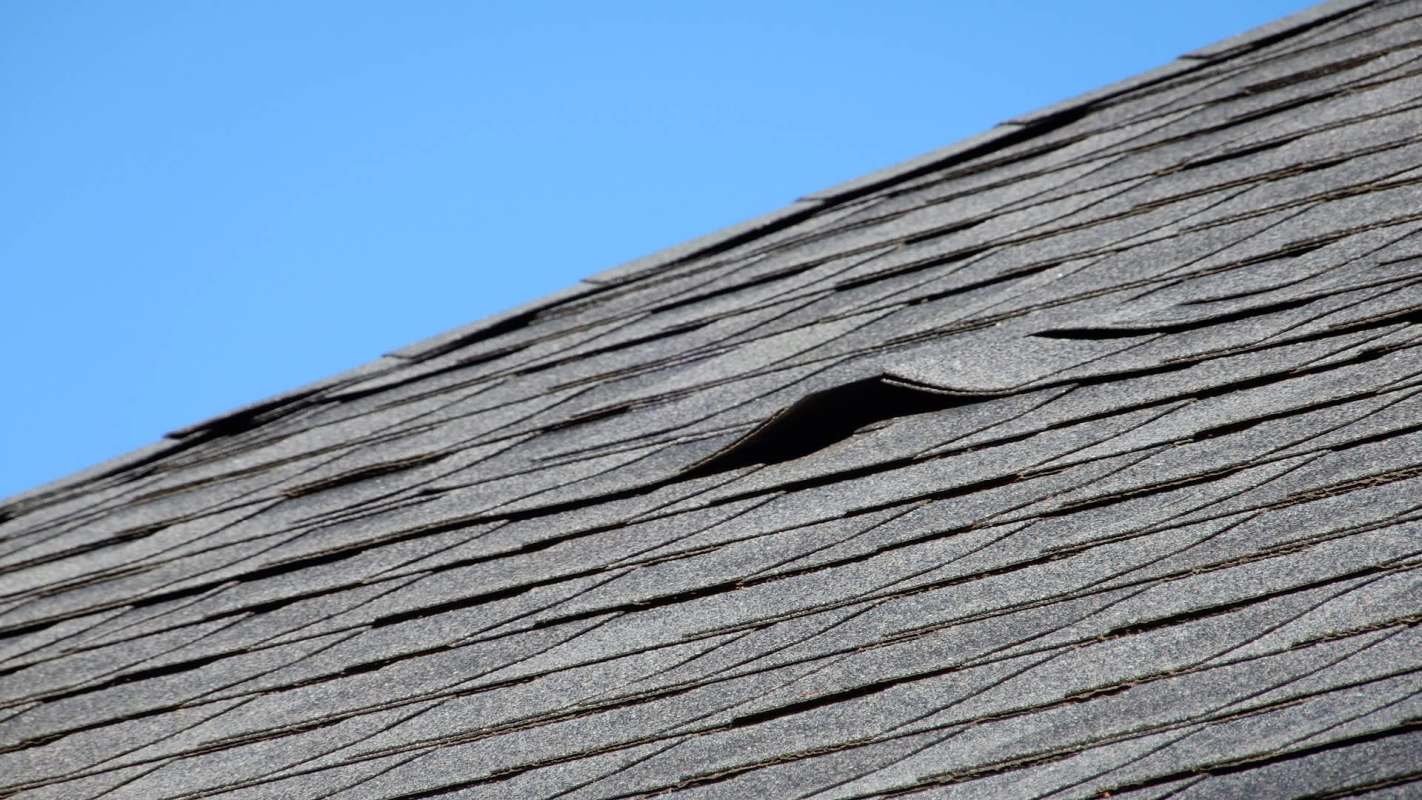
While preparing to sell their Southern California house, one homeowner was told their 11-year-old roof might need far more than a minor fix. After the buyer's inspection, replacement estimates climbed as high as $49,000.
To the seller, that was especially surprising because the roof was believed to have 30-year architectural shingles.
Here's what to know
"The roof otherwise lies flat, with no curling and no bald spots," the original poster wrote, noting the "buyer's inspector found cracked shingles across several slopes, a couple of nail pops, and dried vent flashing." The quote for a full replacement was $38,000 to $49,000.
The seller noted the roof had been installed around 2015 and wondered whether the damage reflected "thermal splitting or a manufacturing defect that could be a warranty claim" or if a repair was still a realistic option.
Users treated the problem as bigger than a small patch job.
"Thirty-year shingles mean nothing except better quality than lower grade," one commenter said. "Sun and heat have done them in. In addition, poor attic ventilation can accelerate the issue. You are looking at a new roof. You need to add ridge vents."
TCD Picks » Quince Spotlight
💡These best-sellers from Quince deliver affordable, sustainable luxury for all




Not everyone thought the buyer's number should go unchallenged. Another user said the cracking shown in the photos looked serious but urged the seller to not take the first estimate at face value.
"That estimate seems high, so get your own estimate," they suggested.
More background
A roof issue can force a seller to lower the asking price, offer credits, or pay for repairs before closing. In this case, the difference between a repair and replacement could amount to tens of thousands of dollars.
Age and airflow became part of the debate, too. Some commenters questioned the roof's age, while others pointed to ventilation as a possible contributor.
"Do you have documentation that it's an 11-year-old roof?" one user asked. "I would add at least five years on to this, but it looks more like 18-20."
Warranties often depend on installation records, product details, and whether ventilation or workmanship problems contributed to the damage. Even if shingles are defective, a manufacturer may deny coverage if the installation itself is found to be part of the problem.
A "30-year" label is not a guarantee of three trouble-free decades, particularly in hot, sunny climates where prolonged heat exposure can shorten a roof's lifespan.
What can be done?
An inspection report and a buyer's quote are not the final word, either, and an independent estimate could save you thousands of dollars if damage turns out to be more limited than first described.
It can also help to gather every record tied to the roof. If there is a product defect, that documentation may be essential for even attempting a claim. If poor ventilation is part of the issue, addressing it could protect the next roof from early wear.
Dealing with roof concerns early can reduce the odds of a surprise negotiation late in the process.
"If I was the buyer, I would probably walk without some kind of compensation, but this all depends on market conditions and what you already negotiated," a user wrote.
Where can I learn more?
Roof-related sticker shock can show up in all kinds of projects, from solar prep work to leak repairs.
• One homeowner's roof quote added $6,400 for plywood before a solar project began.
• In Texas, solar panels left one roof leaking, and the dispute dragged on for months.

Get TCD's free newsletters for easy tips, smart advice, and a chance to earn $5,000 toward home upgrades. To see more stories like this one, change your Google preferences here.






