


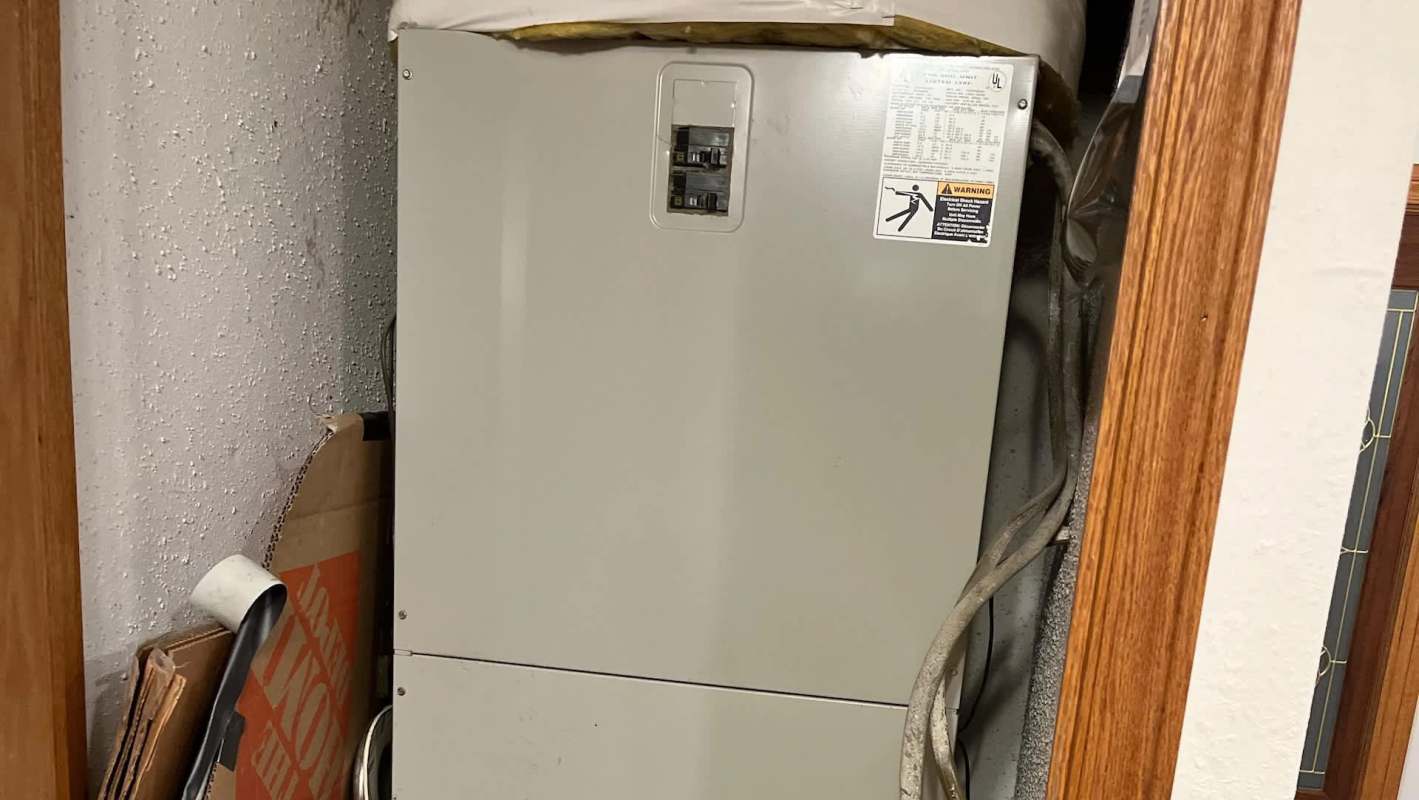
A central Texas Reddit user who sees summer power bills of about $500 said winter cold snaps can push that total to roughly $950, leading commenters to focus on the heating system itself rather than runtime alone.
Here's what to know
In a Reddit thread, the original poster said, "I'm in central Texas, and this old unit runs 80% of the time in summer. Bills are about $500. In winter, if we have a cold snap and it runs 80% of the time on heat, though, bills are way higher…like $950. I know my house isn't energy efficient, but why such a difference for the same basic run time? One thought I had is that maybe all but one heat strips are bad?"
Once the original poster added photos, commenters identified the equipment as a straight air-conditioning setup with electric heat strips instead of a heat pump. One commenter summarized the difference in electrical demand, writing, "Talking like 10-15 amps in AC mode and 30-60 in heat."
That means similar runtime can still produce very different power bills when comparing cooling with electric resistance heat.
For homeowners wondering whether an upgrade is worth exploring, Palmetto's Comfort Plan network can help you find efficient heating and cooling solutions for your home and connect you with vetted installers. In many cases, upgrading your heating and cooling system is one of the best ways to save money on utility bills and protect yourself against rising energy prices.
More background
Heat strips warm air directly with electric resistance inside the air handler. They can do the job, but they are also among the costliest home-heating options because they make heat from electricity rather than transferring it efficiently from somewhere else.
A heat pump, on the other hand, typically provides the same comfort while using far less electricity.
In places like Texas, where hard freezes may be brief but severe, some homeowners may not realize their winter heating arrangement costs much more to operate than their summer cooling system. When that happens, a cold snap can quickly strain a household budget.
Save $10,000 on solar panels without even sharing your phone number Want to go solar but not sure who to trust? EnergySage has your back with free and transparent quotes from fully vetted providers in your area. To get started, just answer a few questions about your home — no phone number required. Within a day or two, EnergySage will email you the best options for your needs, and their expert advisers can help you compare quotes and pick a winner. Solar panels can save you more than $50k over their 25-year lifespan, and EnergySage can help you save as much as $10k on installation. Which begs the question — isn't that worth an email or two? |

What can be done?
A good starting point is confirming whether the home has a real heat pump or simply an AC unit with electric heat strips. Homeowners can also have an HVAC professional check whether emergency or auxiliary heat is coming on too often and whether insulation or air-sealing improvements could lower demand.
Palmetto can also help homeowners compare options before they commit. Through Palmetto's Comfort Plan, homeowners who aren't ready to spend up front can explore $0-down options that can lower heating and cooling costs by up to 50%. Palmetto Comfort Plans also include 12 years of free maintenance, which can make the long-term math more attractive.
Homeowners can push costs even lower by pairing solar panels with electric appliances such as efficient HVAC systems. EnergySage makes it easy to compare solar quotes and installers, and shoppers can save up to $10,000 on installations.
Where can I learn more?
If sky-high winter bills have you wondering whether heat strips are behind the spike, these stories can help. They cover how heat pumps handle cold weather and where homeowners are saving money.
• Across cold-weather states, winter heat pump myths keep some households from cutting yearly bills.
• HVAC experts say common thermostat settings can quietly drive up winter electricity use.
• In Minneapolis, homeowners are embracing bill-slashing HVAC tech even through brutal winter cold.

Get TCD's free newsletters for easy tips, smart advice, and a chance to earn $5,000 toward home upgrades. To see more stories like this one, change your Google preferences here.






