


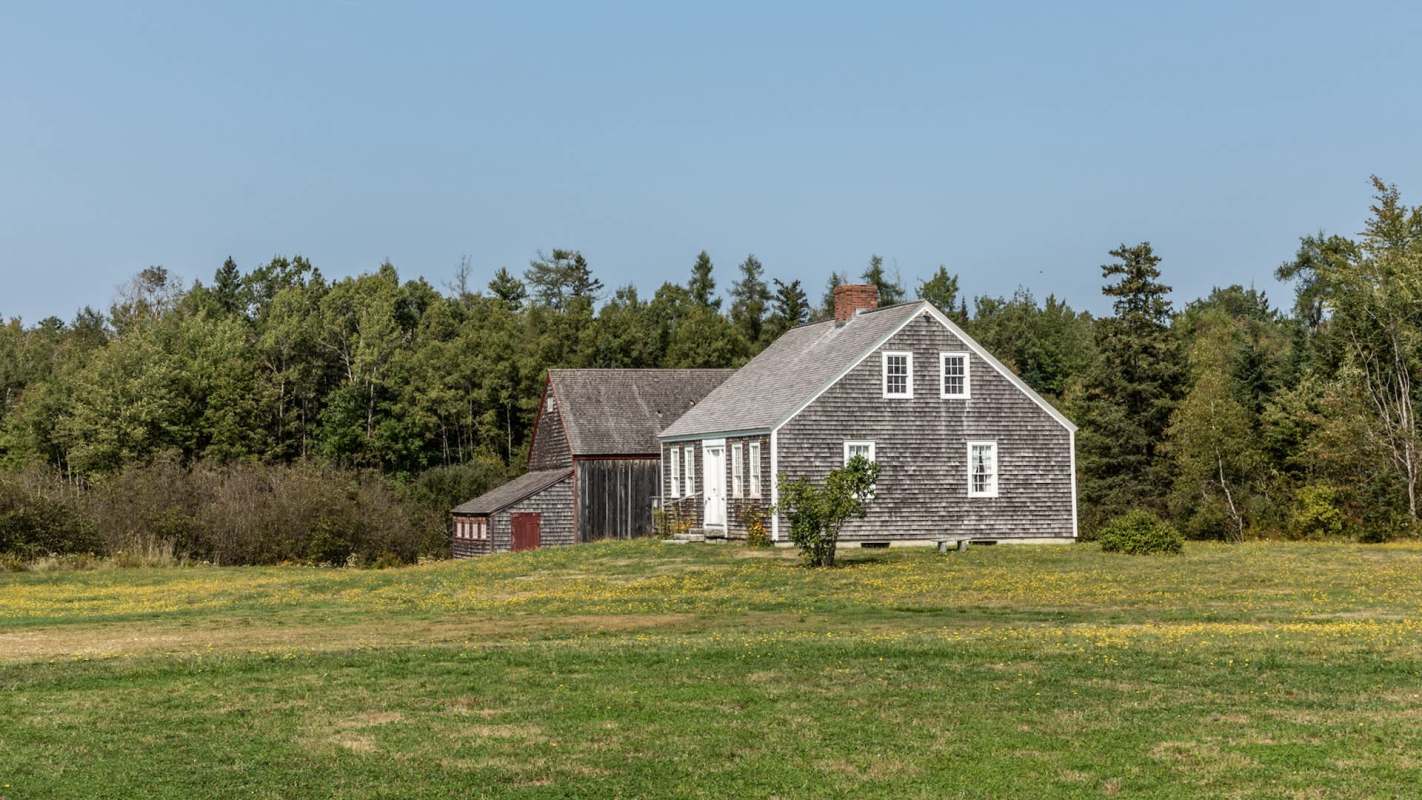
A Maine homeowner says a planned 30-unit development approved behind their property may do more than change the view — it could cross the property line by roughly 100 feet.
Here's what to know
In a Reddit thread, the poster said they own a 2-acre lot in their town's farm zone and that an approved plan places one unit through what they described as their buffer area. According to the homeowner, the layout appears to extend onto their property by "approximately 100 feet."
The homeowner also raised concerns about tree clearing, writing: "They clearly cannot build that unit without cutting into our land itself and we have explicitly stated we do not approve of any trees being cleared on our property."
Advice in the Reddit thread centered on taking immediate action. Commenters said the homeowner should appeal the approval, hire a land surveyor, retain a lawyer, and formally notify the developer before work starts. "Get the survey ASAP," one person wrote. Another added, "And an attorney ASAPer."
Some commenters also focused on the local process, noting that Maine towns do not all route these issues through the same offices. Depending on the municipality, they said, oversight could involve a planning or zoning board, a town manager or administrator, a town council, or a select board or board of selectmen.
More background
Property-line disputes tied to new development can quickly grow into something much larger than a paperwork issue. If a site plan is inaccurate — or if a boundary is assumed rather than verified — neighbors can end up fighting over land, trees, fencing, drainage, and access long before construction is complete.
TCD Picks » Quince Spotlight
💡These best-sellers from Quince deliver affordable, sustainable luxury for all




Several commenters flagged the phrase "buffer zone" as a possible point of confusion. One questioned whether it was a legal term in this case at all, suggesting the disputed area might instead be a setback, an easement, or another type of designation — a distinction that could matter in any conflict with a town or developer.
What can be done?
Replies in the thread largely treated the boundary question as the first thing to settle. Commenters said the homeowner should act quickly, keep records, and start with a professional survey to determine whether the approved plan actually reaches private property.
Many also recommended creating a written record with local authorities, including the planning board or office, the permitting department, and other officials, to ask both why the project was approved and whether the maps align with recorded property boundaries.
Some commenters urged visible steps on the ground, including putting up fencing and posting signs, while others suggested using a camera to document any trespassing or tree cutting.
Several replies framed early legal help as a way to avoid a bigger problem later. As one commenter wrote, "The fact that the developer already has an attorney is definitely a good reason not to wing this one."
Another commenter wrote, "You need to get ahead of this, get a lawyer and put this developer on notice. It will cost far, far more if you take the wait and see approach and wait until after they cut trees or start building. Get an attorney on board asap."
Where can I learn more?
Disputes over property lines and land clearing can escalate fast, especially once construction plans are in motion. These stories cover unauthorized tree cutting, damage on protected land, and neighborhood opposition to new housing plans.
• A homeowner discovered major changes to property on protected land without permission.
• In Arkansas, Benton County residents pushed back as a housing development advanced despite objections.
• A homeowner faced landscaping destruction along a boundary after a neighbor cut trees.

Get TCD's free newsletters for easy tips, smart advice, and a chance to earn $5,000 toward home upgrades. To see more stories like this one, change your Google preferences here.






