


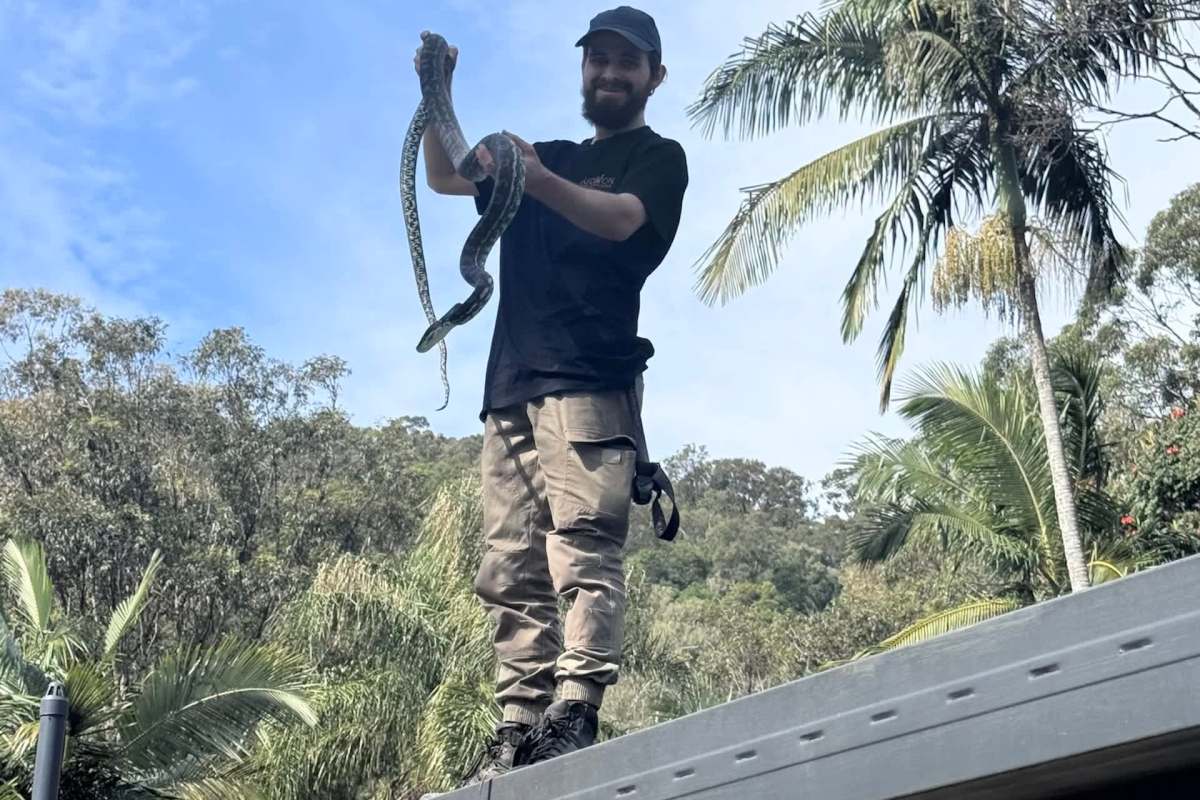
A mystery smell lingering over a Queensland home led to a grim discovery in the roof: a decomposing Coastal Carpet Python that a snake catcher believes was indirectly killed by rat poison, according to Yahoo News.
The incident is a stark reminder that pest-control methods inside homes can easily harm the native wildlife that helps keep those same pests in check.
Here's what to know
Patrick Brabant, a snake catcher with Sunshine Coast Snake Catchers, was called to a home in Currumbin Waters after a resident spent about two weeks dealing with a terrible smell.
The $250 visit ended with a roof search that turned up a decomposing Coastal Carpet Python, along with dead rats and rat bait.
The hot conditions made the stench even harder to bear, Brabant recalled.
"The smell was absolutely intense … I needed to get out of that roof. I needed to put on a mask," he told Yahoo News.
TCD Picks » Quince Spotlight
💡These best-sellers from Quince deliver affordable, sustainable luxury for all




Brabant noted that maggots had eaten through parts of the animal, leaving some sections hollow, and that "bodily fluids were seeping out of the snake."
In his view, the python most likely died from secondary poisoning after eating a rat that had consumed bait.
Queensland's wildlife context makes that warning especially relevant: the state has about 120 snake species, around 65% of them venomous, while its 10 python species are non-venomous.
More background
Roof cavities can attract more than rodents.
According to the Queensland government, Carpet Pythons commonly use those spaces to hunt rats and possums, meaning the same areas homeowners try to keep pest-free can also draw native snakes.
Brabant warned that the danger posed by pest control substances doesn't stop with snakes and can affect animals such as owls, tawny frogmouths, and goannas that eat poisoned rodents.
Wildlife encounters are increasingly shaped by human activity, the BBC explained, as disruptions to animals' habitats and food sources force them into closer proximity to people.
In this case, the roof cavity, the rodent problem, and the bait appear to have created the conditions that led to the snake's death.
What can be done?
For rodent problems, Brabant said traps are a better option than poison when practical.
That could help reduce the risk of secondary poisoning for snakes and birds of prey while still addressing a rat or mouse problem.
Using non-poison control methods can help protect homes without creating added danger for native wildlife.
Brabant's warning was simple.
"Rat baits, they do a good job at killing rats and mice, but they can also do a really good job at killing our native wildlife."
"Snakes are the best possible form of natural rat control you can ask for," he added.
Where can I learn more?
Similar stories show how often snakes and rodent problems overlap in and around homes. They include snakes turning up indoors, as well as rodent infestations that left buildings smelling foul.
• In Western Australia, dead rodents left shops reeking as a mouse plague overwhelmed businesses.
• As one homeowner prepared to sell, a giant attic rat snake sparked debate over natural pest control.
• In one pantry, a large rat snake appeared to be quietly eliminating a mouse problem.

Get TCD's free newsletters for easy tips, smart advice, and a chance to earn $5,000 toward home upgrades. To see more stories like this one, change your Google preferences here.






