


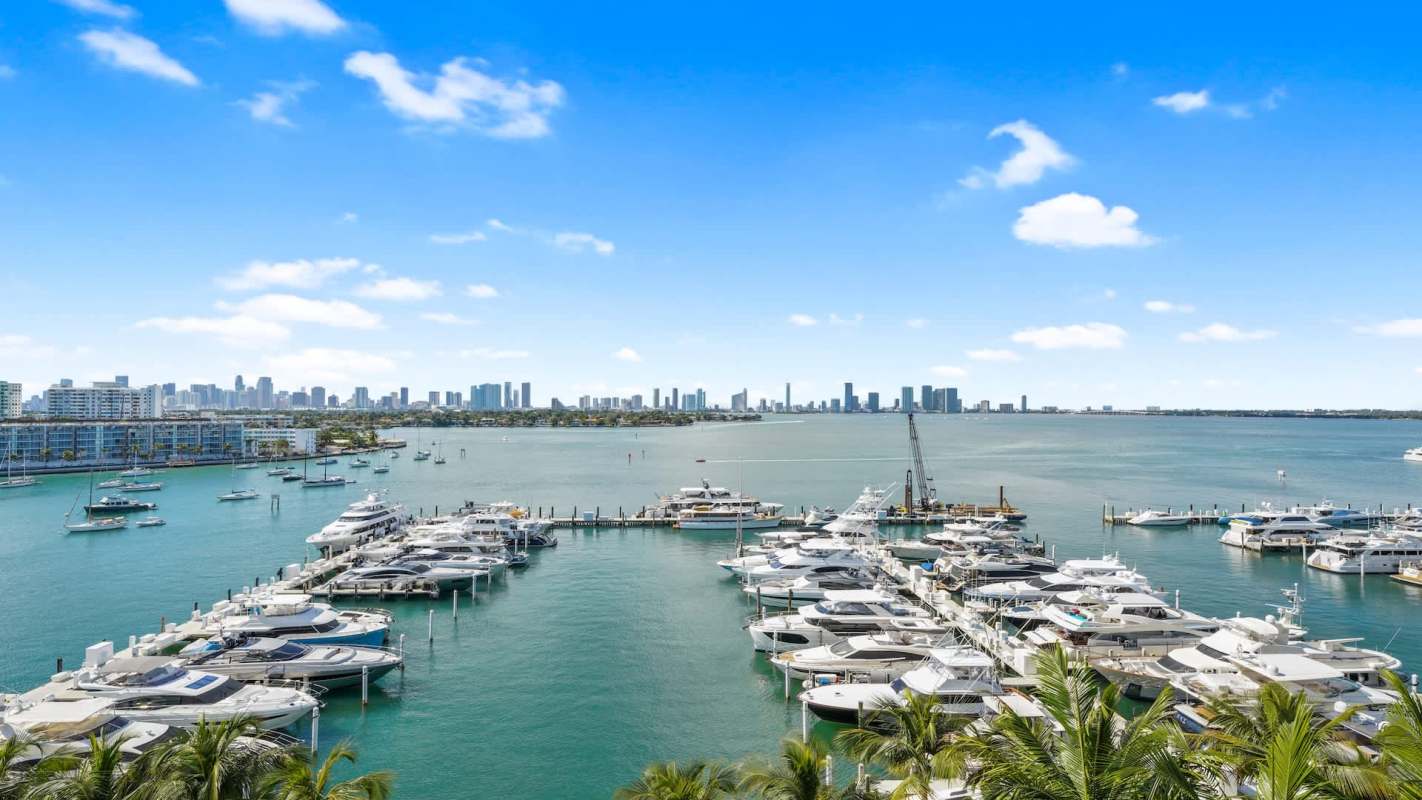
A fight over one of Miami's public waterfront spaces is moving to television ahead of the November 2026 election, according to Florida Politics.
Opponents of Referendum 3 launched ads warning that the proposed Virginia Key marina lease could lock residents into what they see as an outdated deal for generations.
Here's what to know
Preserve and Protect Miami is behind a five-figure ad buy for two 30-second spots urging voters to oppose the measure.
At the center of the referendum is a plan for about 27.62 acres of city-owned waterfront at the Rickenbacker and Marine Stadium marinas.
If voters approve it, Virginia Key LLC — a partnership between Texas-based Suntex Marinas and RCI Group, which has a Miami Beach office — could lease the property as part of a major redevelopment.
The lease would begin with a 45-year term, and two optional 15-year extensions could keep it in place through 2100.
TCD Picks » Quince Spotlight
💡These best-sellers from Quince deliver affordable, sustainable luxury for all




Supporters claim the project would bring $80 million in private investment for marina upgrades, parking, retail, restaurants, and boat storage, plus features including a 1,200-foot baywalk, launches for kayaks and paddleboards, green space, native trees, and living seawalls.
In return, the city would collect at least $2.2 million a year in rent, plus 6% of gross revenue.
Opponents maintain that the proposal relies on economic assumptions from years ago, potentially leaving residents with below-market returns on prime public land while outside investors come out ahead.
More background
The opposition campaign was founded by Aabad Melwani, president of Rickenbacker Marina, and Adam Gersten, owner of Gramps Getaway.
Both currently operate businesses on the property and have become leading public critics of the referendum. Their argument centers on who stands to benefit from the lease — and who could lose out.
The project "hands out one of the last great stretches of public waterfront we have left and shuts out middle-class Miamians," one ad stated. "It forces Miami into a lease based on below-market 2017 rents. That's unacceptable. Vote no on this 75-year giveaway."
The same concerns have been raised at City Hall.
During a June 11 meeting, Miami Commissioner Miguel Gabela framed it as "a bad deal for the city," and argued that the figures did not reflect current prices.
Commissioners Christine King, Damian Pardo and Ralph Rosado, along with Mayor Eileen Higgins, also voiced concerns before commissioners ultimately voted unanimously in June to place the matter on the ballot.
The debate extends beyond boating or commercial redevelopment.
Public shoreline access, fair market value for taxpayer-owned land, and the future character of Miami's waterfront all carry weight in a city where open space and affordability are already under pressure.
What's being done?
Opponents are trying to stop the proposal through both political and legal channels.
In addition to Preserve and Protect Miami's ad campaign, there is an ongoing lawsuit.
In July, Gersten, Rickenbacker Marina Inc., and Biscayne Marine Partners LLC sued the city, asserting that the ballot language is misleading, the proposed deal differs from the winning 2017 bid, and city appraisals had not shown Miami would receive fair market value.
Miami-Dade Circuit Judge Lisa Walsh declined to remove the question from the ballot, but the broader case remains pending, with a trial scheduled for September 2027.
Meanwhile, both sides continue to dispute the economics of the deal.
An expert for the plaintiffs put the inflation-adjusted shortfall in the $2.2 million base rent at $609,000, while RCI Group President Robert Christoph Jr. said city-commissioned appraisals found the rent exceeded market value.
Where can I learn more?
The fight over Virginia Key fits into broader battles over waterfront land, marina access, and private development in South Florida and beyond. These articles look at conflicts over dock space, public control of coastal property, and residents pushing back on shoreline projects.
• In Miami, luxury megayachts are outgrowing dock space, intensifying pressure on scarce waterfront infrastructure.
• In Hollywood, residents fought an iconic beach project they feared would damage the shoreline.
• In Tarpon Springs, Florida, a developer battled riverfront critics for years before funding green space.

Get TCD's free newsletters for easy tips, smart advice, and a chance to earn $5,000 toward home upgrades. To see more stories like this one, change your Google preferences here.






