


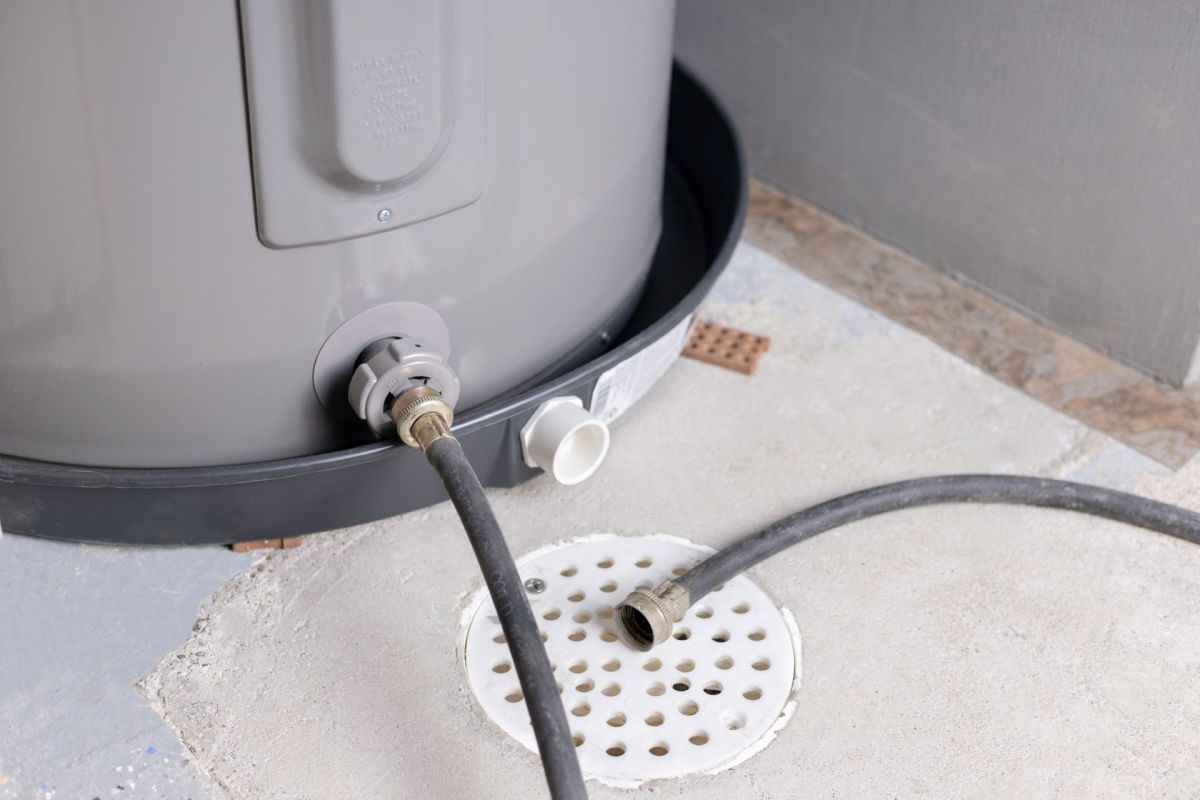
In a Reddit post, a person who had never flushed their tank asked if doing so was smart, preventive maintenance or a risky move.
"I have never done it in many many years," the original poster wrote.
Here's what to know
Because the heater seemed to be operating normally, the OP was not sure whether draining it was necessary.
Commenters split quickly. A few people said they do not drain their tanks and have not had issues.
"Something to keep in mind about the drain valves, is that once you open them and sediment flows through, sometimes those bits will get stuck and prevent the drain valve from shutting water 100%," one person explained.
Others felt some maintenance can still make sense, especially for a newer unit or one that has not been neglected. Rather than fully emptying the heater, one person suggested running water from the bottom only until it comes out clear.
"So far the consensus is, 50/50," the OP noted in an edit to their original post.
When water heaters do fail, homeowners can face a replacement bill or possible water damage. While proper care will vary depending on the kind you might have, knowing the kind of care you need to give specifically can reduce bills and damage down the line.
Save $10,000 on solar panels without even sharing your phone number Want to go solar but not sure who to trust? EnergySage has your back with free and transparent quotes from fully vetted providers in your area. To get started, just answer a few questions about your home — no phone number required. Within a day or two, EnergySage will email you the best options for your needs, and their expert advisers can help you compare quotes and pick a winner. Solar panels can save you more than $50k over their 25-year lifespan, and EnergySage can help you save as much as $10k on installation. Which begs the question — isn't that worth an email or two? |

What can be done?
For many commenters, considering a tank's age and overall condition can help determine the kind of care it needs.
If a tank's drain is opened, one commenter recommended keeping a "lead free brass garden hose bib cap" nearby in case the valve does not reseal perfectly.
If the tank is already on borrowed time, replacement may be the better financial choice. That's where Cala enters the conversation. Cala's customizable smart heat pump water heaters help homeowners decrease their energy bills by heating water exactly when it's needed. That approach can translate into meaningful monthly savings.
For households already preparing for a replacement, a smart heat pump model can be a more practical long-term investment than trying to squeeze extra life out of a failing tank. Choosing a higher-efficiency system like Cala can help lower ongoing utility costs while giving homeowners more control over their utilities.
Where can I learn more?
If you're weighing maintenance against replacement, reading more about what others have done can help you figure out what's right for you.
• Homeowners can keep water heaters running longer with simple maintenance that prevents expensive surprises.
• For some households, getting a tankless water heater means different costs, upkeep, and savings.
• Households weighing replacements ask how much money a tankless system can really save.

Get TCD's free newsletters for easy tips, smart advice, and a chance to earn $5,000 toward home upgrades. To see more stories like this one, change your Google preferences here.






