


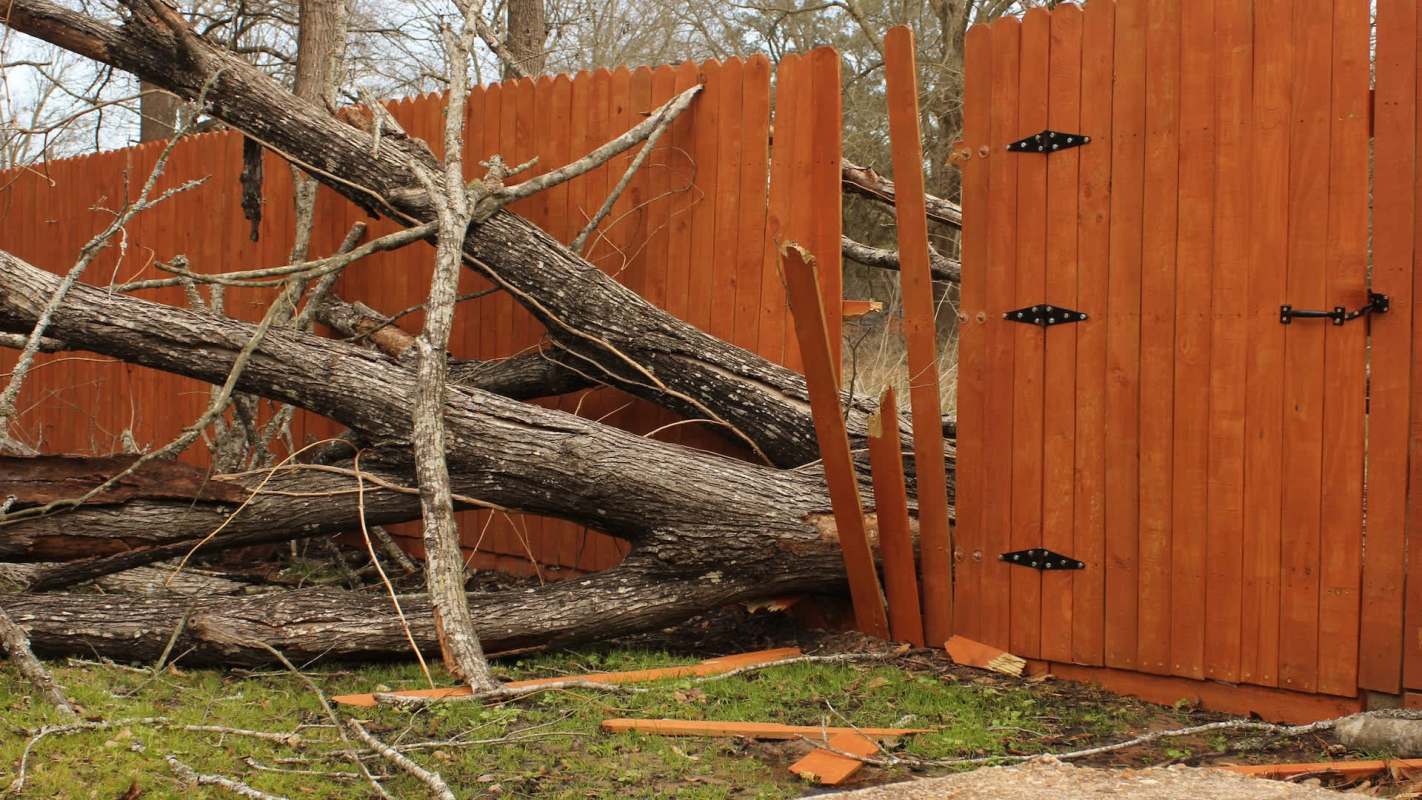
For one Nova Scotia family, the fallout from post-tropical storm Fiona did not end when the winds died down.
After their home was badly damaged in September 2022, Alma and James Doucette ended up living in a garage on their property with three grandchildren after insurer-paid rental housing lasted only about two months, according to CBC.
What has been hardest for Alma Doucette is seeing one granddaughter — who is on the autism spectrum and struggles with change — grieve the loss of the only home she had ever known.
Here's what to know
The storm left the family's basement flooded and the roof leaking, and mold later spread through the house before it was demolished in 2024.
With no better option, the family moved into the garage of a former oyster business, a space with interior plywood walls and a concrete floor.
Public adjuster Francis Martin of ClearClaim Adjusters, who now represents the family, described it as "one of the most heart-wrenching cases I've seen in my entire life … it's a family that are trying to do their best."
TCD Picks » Quince Spotlight
💡These best-sellers from Quince deliver affordable, sustainable luxury for all




The family's lawsuit against Aviva Canada is now headed to the Nova Scotia Supreme Court.
In a statement, the insurer maintained that it has a "small number" of Fiona-related claims that remain unresolved as they move through legal proceedings and that it is "committed to treating all customers fairly, professionally, and with respect."
More background
The ordeal was so stressful, James Doucette told CBC, that a doctor initially worried he might have dementia before deciding his symptoms were due to stress.
Moreover, because the insurer did not send anyone to repair the house, he climbed onto the roof to put up tarps himself, fell, and injured his hand and wrist.
To get by, the family has sold possessions including fishing gear, a wood splitter, all-terrain vehicles, and even a 54-acre woodlot.
Extreme weather is a growing threat to lives and livelihoods; hurricanes, floods, and wildfires are becoming stronger and less predictable as weather warms and seas heat up.
James can no longer work in the oyster business he once ran, and Martin believes the home might have been saved if repairs had been made sooner.
He described the deterioration to CBC.
"Mould sets in and starts eating away at the home and then the nails [in] the walls start to rust and everything just starts to collapse and eventually the home didn't sustain itself after a while."
What's being done?
Martin has helped arrange a possible fresh start for the Doucettes by setting up the purchase of a lot and mobile home in Digby County, where the family expects to rebuild their lives away from Upper Malagash.
The case against Aviva is still proceeding in court.
The insurer has asserted, according to CBC, that it aims to settle claims fairly and as quickly as possible.
"I wanna give better for the kids," Alma told the outlet. "They deserve better than this."
Where can I learn more?
The Doucettes' experience is part of a broader struggle with housing and insurance after extreme weather. Other reports examine rising premiums, shrinking coverage, and the challenge of finding a stable home after a disaster.
• In Calgary, families say home insurance costs soared after a destructive hailstorm.
• U.S. officials are urging carriers to maintain coverage for homes as disasters intensify.
• In Texas, severe storms pushed insurers to exit the state and disrupt coverage.
• In Iowa, homeowners say coverage is getting harder to secure as risks climb.

Get TCD's free newsletters for easy tips, smart advice, and a chance to earn $5,000 toward home upgrades. To see more stories like this one, change your Google preferences here.






