


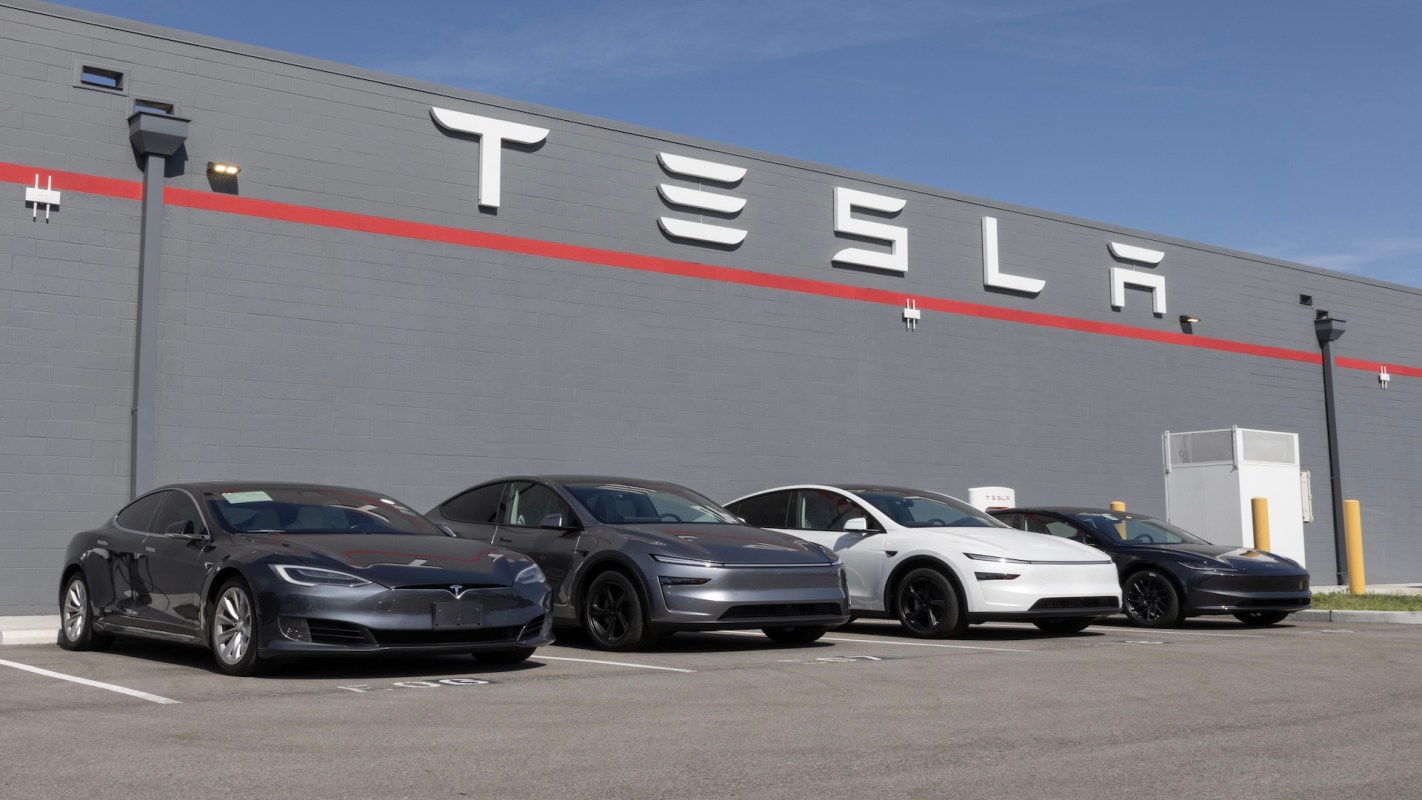
A used 2021 Tesla Model Y owner says a second battery replacement in roughly two years has turned an otherwise satisfying EV into a costly question mark.
In the r/TeslaModelY subreddit, the discussion prompted a healthy debate over the best next steps for the owner and whether their experience was common for a rough model year.
Here's what to know
According to their Reddit post, the driver bought a used 2021 base Model Y from a local Tesla dealership with warranty coverage.
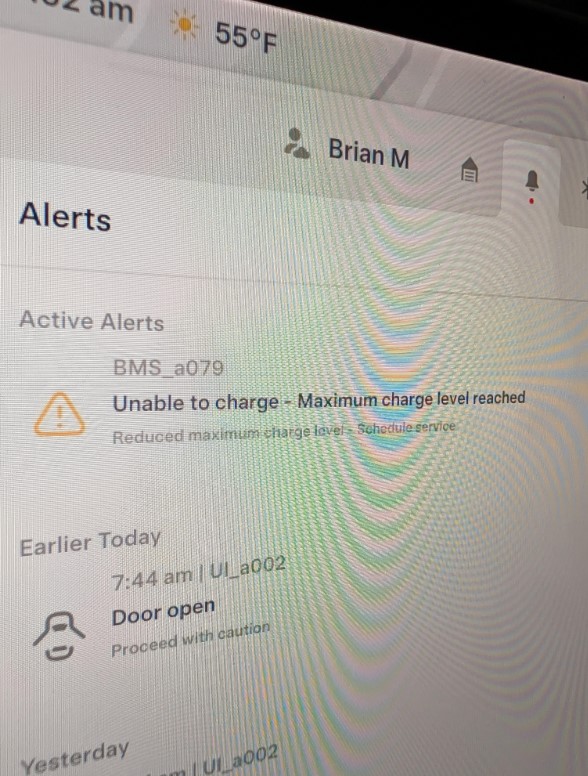
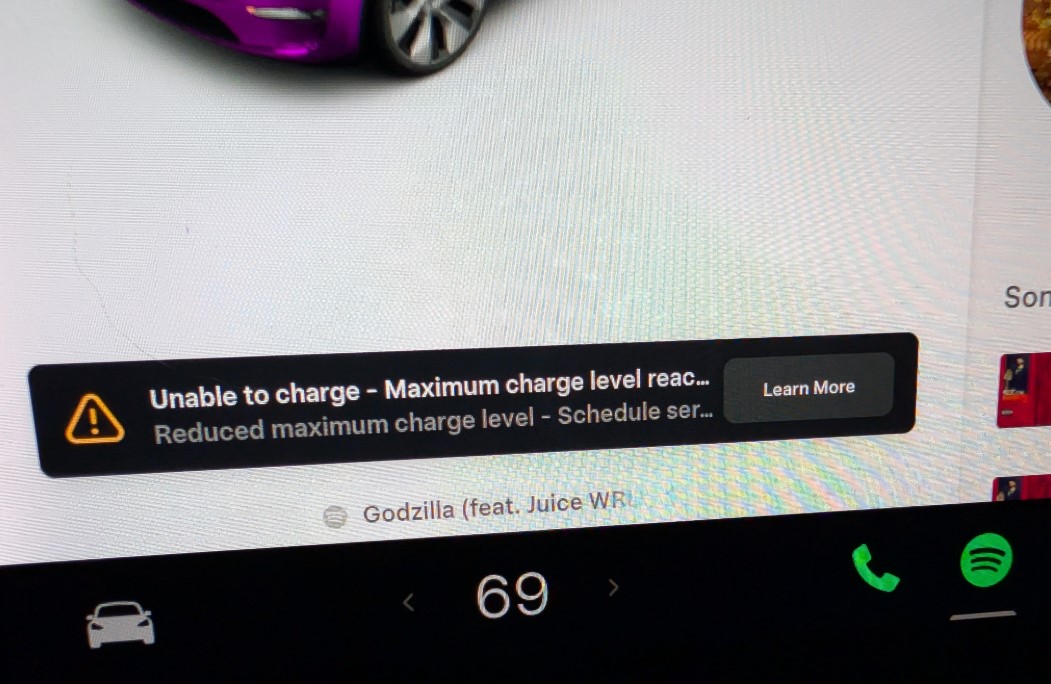
"I wanted to dip my toe in the water and love my Tesla," the original poster wrote. They also said they enjoy both driving the vehicle and using FSD.
By the owner's account, the original battery was replaced after 34,000 miles, and after about 30,000 more miles on that replacement, the Tesla dealer said the SUV now needs "a full replacement battery again."
"My great concern is that once it's out of warranty I'm going to end up paying $16,000 or whatever the cost is for a new battery for it," the owner wrote.
TCD Picks » Quince Spotlight
💡These best-sellers from Quince deliver affordable, sustainable luxury for all




Several commenters focused on the model year, with one reacting by declaring "always the 2021 model."
"That year model sounds like the stuff of nightmares dude," another wrote. "Suspension issues, batteries issues, and weird one off issues."
A separate reply suggested the repeated failures might point to something beyond the battery pack itself: "I would be concerned that there was an issue with something other than the battery that caused it to eat batteries every 30K miles."
More background
For EV owners, the battery is the vehicle's single most important and expensive component. When it performs as expected, drivers can benefit from lower fueling and maintenance costs than they would with gas-powered cars. When it does not, the financial downside can be significant.
Although the owner said they "love it even more now that gas prices have jumped so much," repeated battery swaps can undercut more predictable operating costs, which is typically one of the biggest appeals of going electric.
Used-car value also came up in the discussion. One commenter suggested "it's a refurbished pack," while another said documentation would only help a sale "if OP actually got a new battery."
A documented new pack may inspire more confidence than a refurbished replacement. Meanwhile, not every 2021 owner reported problems.
"My 2021 has 145,000 miles on the original battery and it's still healthy," a more fortunate driver wrote.
What can be done?
Before deciding whether to keep or sell the vehicle, the owner will likely want as much paperwork as possible on the replacement and the reason for it.
Commenters also raised the possibility that something other than the battery itself could be contributing to the failures. The narrow consensus leaned toward accounting for that possibility and selling the car before it got too close to being out of warranty for its battery.
"I would definitely dump it before that mileage comes up," a user suggested.
Another option was advocating for a buyback from the local Tesla Service Center.
"That's incredibly abnormal and not at all expected," a user elaborated. "Have the regional manager get involved along with corporate."
Where can I learn more?
To put a second battery replacement in perspective, it helps to look at how long Tesla packs usually last.
• Tesla owners are seeing how battery degradation affects range under typical warranty terms.
• Real-world comparisons show a Tesla Model 3 keeps surprisingly strong battery health with age.
• One high-mileage Tesla driver has stayed on its original battery for over 300,000 miles.

Get TCD's free newsletters for easy tips, smart advice, and a chance to earn $5,000 toward home upgrades. To see more stories like this one, change your Google preferences here.






