


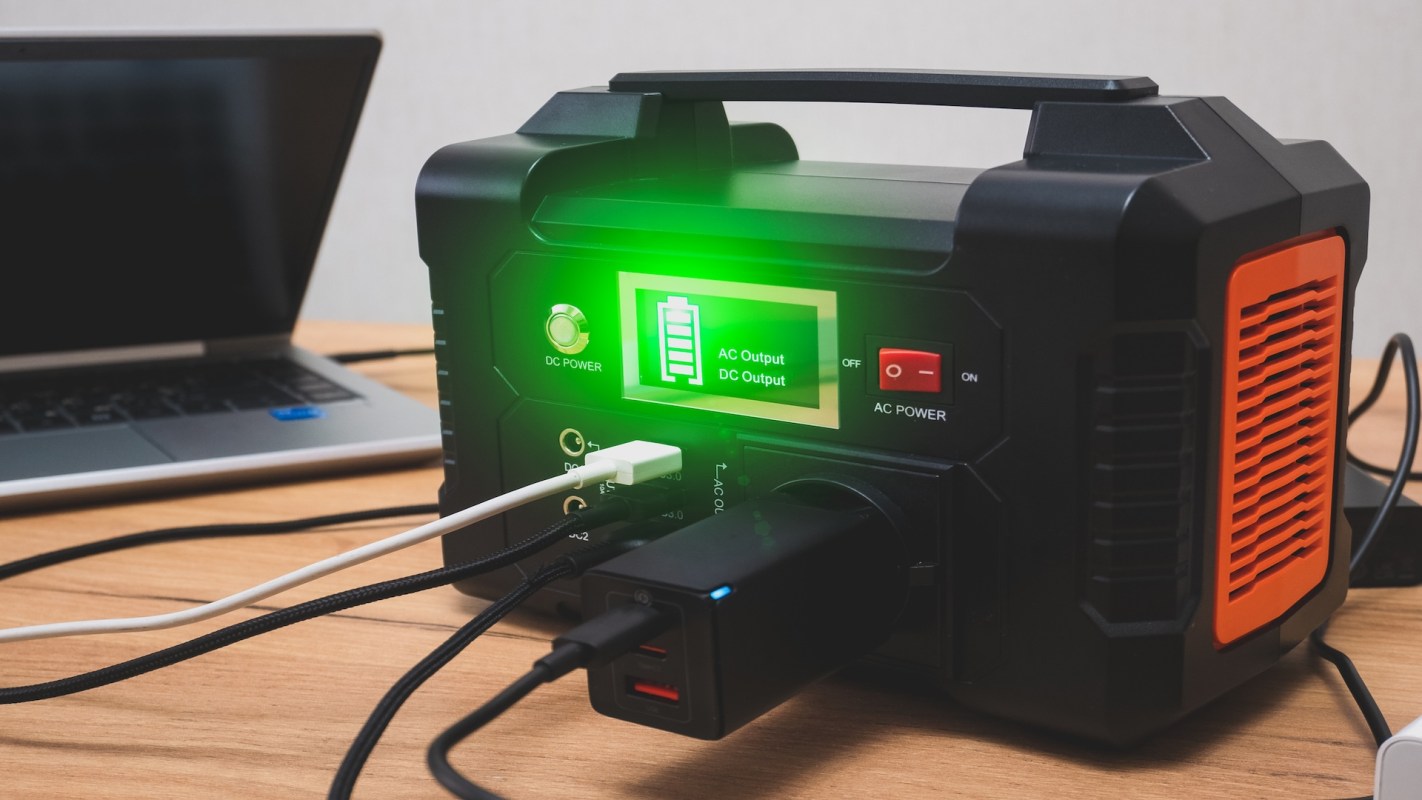
One Tennessee homeowner is testing a portable solar-and-battery setup to see whether it can do more than provide emergency backup power.
By pairing Anker's Solix F3000 with solar panels, the DIYer hopes the roughly $1,400 purchase could trim $50 to $100 from a monthly electric bill that usually sits around $300.
Here's what to know
Writing in Reddit's r/SolarDIY forum, the original poster said, "Not sponsored, I bought everything with my own money with the goal to save on the power bill. How much of an offset? We will see, $100 would be incredible, but I will settle for $50 in temperate months or just say the cars charge for free."
According to the OP, charging their cars still uses roughly 25 kilowatt-hours a day. Total household demand, they added, is about 60 kWh per day with air conditioning and 35 kWh without it.
At the center of their project is Anker's Solix F3000 along with the company's Power Saver Kit. The OP said the system delivers solar power to devices around the home without sending electricity back to the grid.
Anker lists the F3000 with a 3-kWh battery, up to 2,400 watts of solar input, and 1,800 watts of bidirectional output. From that, the OP estimated the setup could offset about a quarter of the home's power bill in temperate weather.
People in the thread pointed out that the actual savings will depend on details such as panel orientation, battery constraints, and whether the home can use the electricity as it is being produced. Not everyone supported the project.
One comment wrote that the project would "take 40 months (3.5 years) to break even." The OP responded, "The goal of this project is to learn and share knowledge for those that may not know, or have issues with picky power companies with zero export grid-tied projects."
Save $10,000 on solar panels without even sharing your phone number Want to go solar but not sure who to trust? EnergySage has your back with free and transparent quotes from fully vetted providers in your area. To get started, just answer a few questions about your home — no phone number required. Within a day or two, EnergySage will email you the best options for your needs, and their expert advisers can help you compare quotes and pick a winner. Solar panels can save you more than $50k over their 25-year lifespan, and EnergySage can help you save as much as $10k on installation. Which begs the question — isn't that worth an email or two? |

Another commenter came to the OP's defense: "...and? After 3.5 years, it's paid for and presumably making money at that point."
The OP added that they had already reduced their electricity demand with upgrades including a heat pump water heater, LED lighting, and smaller devices.
What can be done?
As electricity costs rise, even a relatively modest solar array paired with battery storage can help households chip away at utility bills by covering part of their daily energy use and saving extra power for later.
For readers considering a larger home setup, EnergySage can help you find information on home battery storage options, including competitive installation estimates. EnergySage has teamed up with the electrification brand Qmerit to guarantee you get the best price on home battery storage solutions.
Pila is another company offering excellent battery backup options, and its plug-and-play batteries cost a fraction of a whole-home backup system.
Where can I learn more?
To see what solar savings can look like in practice, these articles offer real-world examples.
• For some households, solar panels can shave over $100 off a monthly power bill.
• In many cases, homeowners can save over $1,500 every year with rooftop solar.
• Across the U.S., solar can save homeowners $700/year, with some states doing better.

Get TCD's free newsletters for easy tips, smart advice, and a chance to earn $5,000 toward home upgrades. To see more stories like this one, change your Google preferences here.






